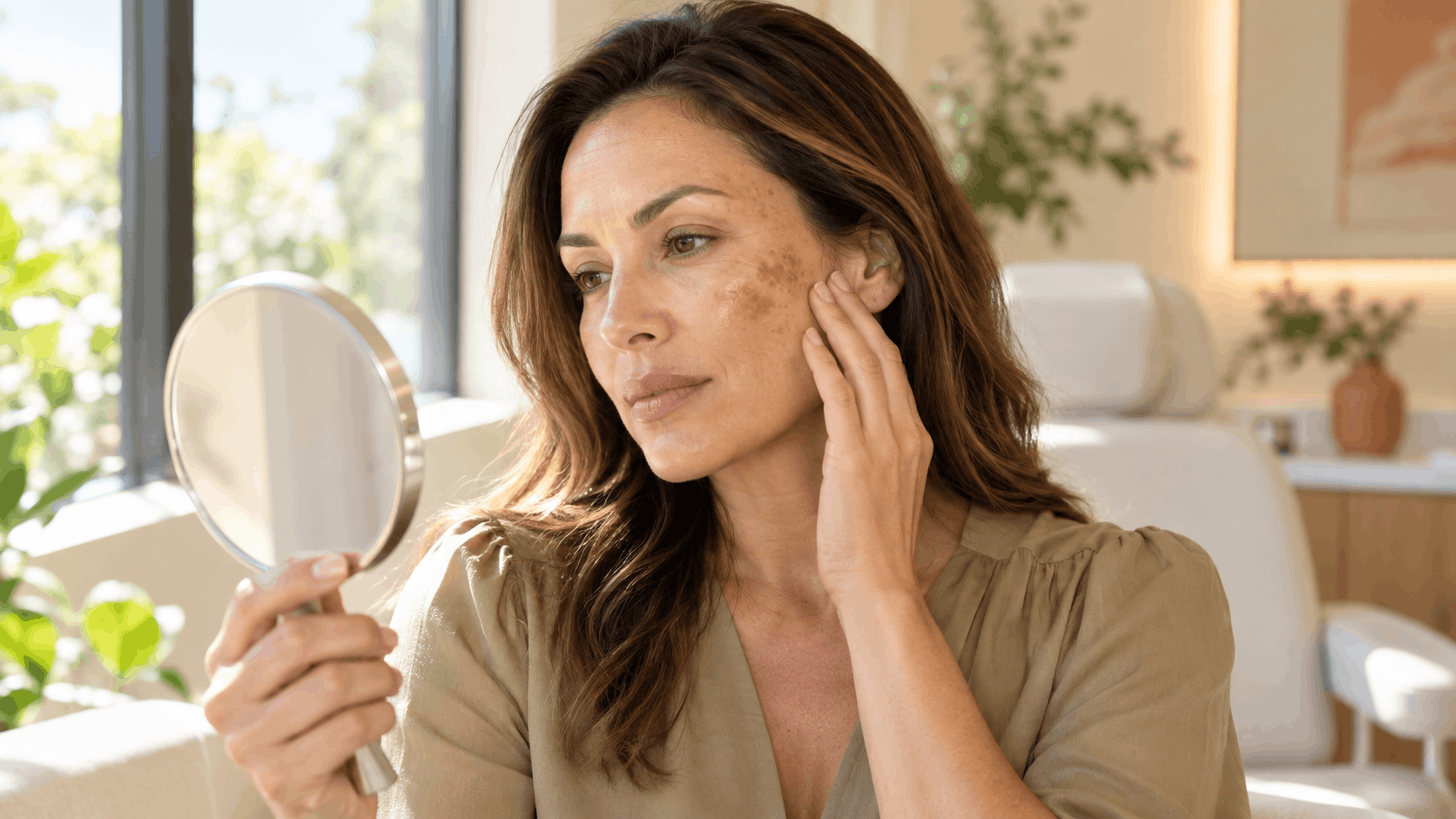
The breakout is gone. Unfortunately, the reminder it left behind may stick around considerably longer.
Acne can leave discoloration, uneven texture, and visible scarring even after active breakouts have settled. And because acne scars don’t all form the same way, the treatment that works for one type of mark may do very little for another.
A TCA peel for acne scars may be one option when the goal is to improve certain types of post-acne discoloration, surface irregularities, and uneven skin texture.
TCA stands for trichloroacetic acid. When professionally applied, it creates controlled chemical exfoliation that encourages the treated skin to shed and renew.
The key word is controlled. Stronger isn’t automatically better when you’re working with skin that has already been through enough.
Jump To:
- Detailed Breakdown
- Why Does Acne Leave Scars and Uneven Texture?
- What Is a TCA Peel?
- How May a TCA Peel Help Acne Scars?
- Can a TCA Peel Fix Deep Acne Scars?
- What's the Difference Between Acne Scars and Post-Acne Marks?
- Can TCA Peels Help Uneven Skin Texture?
- What Is Recovery Like After a TCA Peel?
- When Should You Consider a TCA Peel?
- Key Takeaways
- FAQs
TL;DR – Quick Guide
- Acne can leave discoloration, uneven texture, and different types of scars.
- A TCA peel uses trichloroacetic acid to create controlled chemical exfoliation.
- A TCA peel for acne scars may help improve certain surface-level textural concerns and discoloration.
- Deep or indented acne scars may require a different or combined treatment approach.
- Peel strength and treatment depth should be selected according to the patient’s skin and goals.
- Recovery may involve redness, peeling, sensitivity, and temporary changes in appearance.
- Sun protection and proper aftercare are important during recovery.
Detailed Breakdown
Why Does Acne Leave Scars and Uneven Texture?
Acne creates inflammation within the skin.
As the area heals, the skin attempts to repair damaged tissue. When that healing process changes normal collagen production or skin structure, a visible scar can remain.
But not every mark left after acne is technically a scar.
Some people primarily develop lingering discoloration, while others experience depressions, raised scars, or irregular texture. The broader category of acne and acne scars includes concerns that may look similar in the mirror but respond differently to treatment.
That’s why identifying what you’re actually treating comes first.
What Is a TCA Peel?
A TCA peel is a professional chemical peel that uses trichloroacetic acid to create controlled exfoliation.
Depending on how the treatment is performed, the peel affects specific layers of the skin and initiates a renewal process. As treated skin sheds and heals, improvements in tone and texture may gradually become visible.
Genesis MedSpa offers a professional TCA Peel for patients whose concerns and skin characteristics make this type of chemical resurfacing appropriate.
Because TCA can create a more significant response than casual at-home exfoliation, professional selection and application matter.
How May a TCA Peel Help Acne Scars?
A TCA peel for acne scars is generally most relevant when acne has left concerns that can benefit from controlled resurfacing.
By removing damaged surface layers and encouraging skin renewal, a peel may help soften the appearance of uneven texture and discoloration associated with previous breakouts.
Potential treatment goals may include:
- Improving rough or uneven-looking texture
- Softening the appearance of certain superficial scars
- Reducing the appearance of post-acne discoloration
- Creating a smoother-looking complexion
- Addressing multiple surface concerns in one treatment plan
That doesn’t mean a peel can completely erase every acne scar.
The depth and type of scarring matter considerably.
Can a TCA Peel Fix Deep Acne Scars?
Deep acne scars are where expectations need to stay realistic.
Indented scars can form when acne-related inflammation damages deeper tissue and the skin heals with insufficient collagen in that area. A surface-focused treatment alone may not fully correct that structural change.
Different scar types may therefore require different acne scarring treatments, and combination treatment may sometimes make more sense than relying on one procedure.
A professional assessment can identify whether a TCA peel fits the scar pattern or whether another approach should take priority.
What’s the Difference Between Acne Scars and Post-Acne Marks?
A dark or red mark after a breakout isn’t necessarily a true scar.
Post-inflammatory discoloration involves changes in skin color after inflammation. A textural scar, by contrast, involves a change in the skin’s structure.
That difference matters when choosing treatment.
A TCA peel for acne scars may be useful when surface texture and discoloration are part of the concern, but deeper structural scars can require other strategies.
If you’re unsure what you’re seeing, professional evaluation is more useful than diagnosing every leftover acne mark from bathroom lighting.
Can TCA Peels Help Uneven Skin Texture?
Acne isn’t the only reason skin texture changes.
Sun exposure, aging, changes in collagen, previous inflammation, and other factors can contribute to a complexion that feels or looks less smooth over time.
Genesis MedSpa’s guide to skin texture changes with age explains why texture can evolve and why treatment should match the underlying concern.
Controlled chemical exfoliation may help refresh the surface and improve certain types of uneven texture.
However, treatment depth and frequency should be based on the skin rather than the idea that more peeling equals better results.
What Is Recovery Like After a TCA Peel?
A TCA peel requires actual recovery time.
Depending on the treatment, the skin may look red, feel tight or sensitive, and begin peeling as damaged surface cells shed. This process should be allowed to happen naturally.
Picking or pulling peeling skin is not a clever way to speed things along.
Your provider will give you specific aftercare instructions, which may include gentle skincare and careful sun protection. Following those instructions supports the normal scars and healing process after a professional resurfacing treatment.
When Should You Consider a TCA Peel?
A TCA peel may be worth discussing when acne is under better control but lingering discoloration or uneven texture continues to bother you.
The treatment isn’t automatically right for every skin type, scar, or stage of acne.
Active breakouts, skin sensitivity, pigmentation concerns, previous procedures, current products, and desired downtime can all influence whether a peel makes sense.
At Genesis MedSpa, a professional consultation can help determine whether a TCA peel for acne scars fits your concerns or whether another treatment would better address the type of scarring you have.
The objective isn’t simply to peel the skin.
It’s to choose the right level of treatment for the problem underneath.
Key Takeaways
- Acne can leave both discoloration and true textural scars.
- Not every mark left after a breakout is the same type of acne scar.
- A TCA peel for acne scars uses controlled chemical exfoliation to resurface treated skin.
- TCA peels may help improve certain superficial scars, discoloration, and uneven-looking texture.
- Deep or indented acne scars may need other treatments or a combination approach.
- Peel strength and depth should be selected according to individual skin characteristics and treatment goals.
- Redness, sensitivity, and peeling may occur during recovery.
- Peeling skin should be allowed to shed naturally rather than picked or pulled.
- Appropriate aftercare and sun protection are important following treatment.
- Professional evaluation can help determine whether a TCA peel matches the specific type of acne scarring or texture concern.
FAQs
1. Does a TCA peel work for acne scars?
A TCA peel for acne scars may improve certain superficial scars, uneven texture, and discoloration left after breakouts. Its effectiveness depends heavily on the type and depth of the scarring being treated. Deeper structural scars may require other procedures or a combination treatment plan.
2. Can a TCA peel remove deep acne scars?
A TCA peel shouldn’t be expected to completely remove every deep acne scar. Indented scars can involve structural changes below the skin’s surface that may need treatments specifically selected for that type of scarring. A professional evaluation can determine whether a peel should be used alone or as part of a broader plan.
3. Does a TCA peel help uneven skin texture?
TCA peels create controlled exfoliation that may help improve certain types of rough or uneven-looking skin texture. The degree of improvement depends on what is causing the texture concern and how deeply it affects the skin. Acne scars, age-related texture changes, and surface irregularities may therefore require different treatment strategies.
4. How long does skin peel after a TCA treatment?
Peeling and recovery time can vary according to the strength and depth of the treatment as well as individual skin response. Patients should follow their provider’s aftercare instructions rather than picking, pulling, or trying to accelerate the peeling process. Your provider can explain the expected recovery timeline before treatment based on the peel being performed.
5. How many TCA peels are needed for acne scars?
The number of treatments depends on scar type, severity, skin response, peel depth, and the desired amount of improvement. Some people may benefit from multiple treatments, while deeper scars may require additional treatment methods instead. A personalized plan is the best way to determine how a TCA peel for acne scars should fit into a longer-term strategy.