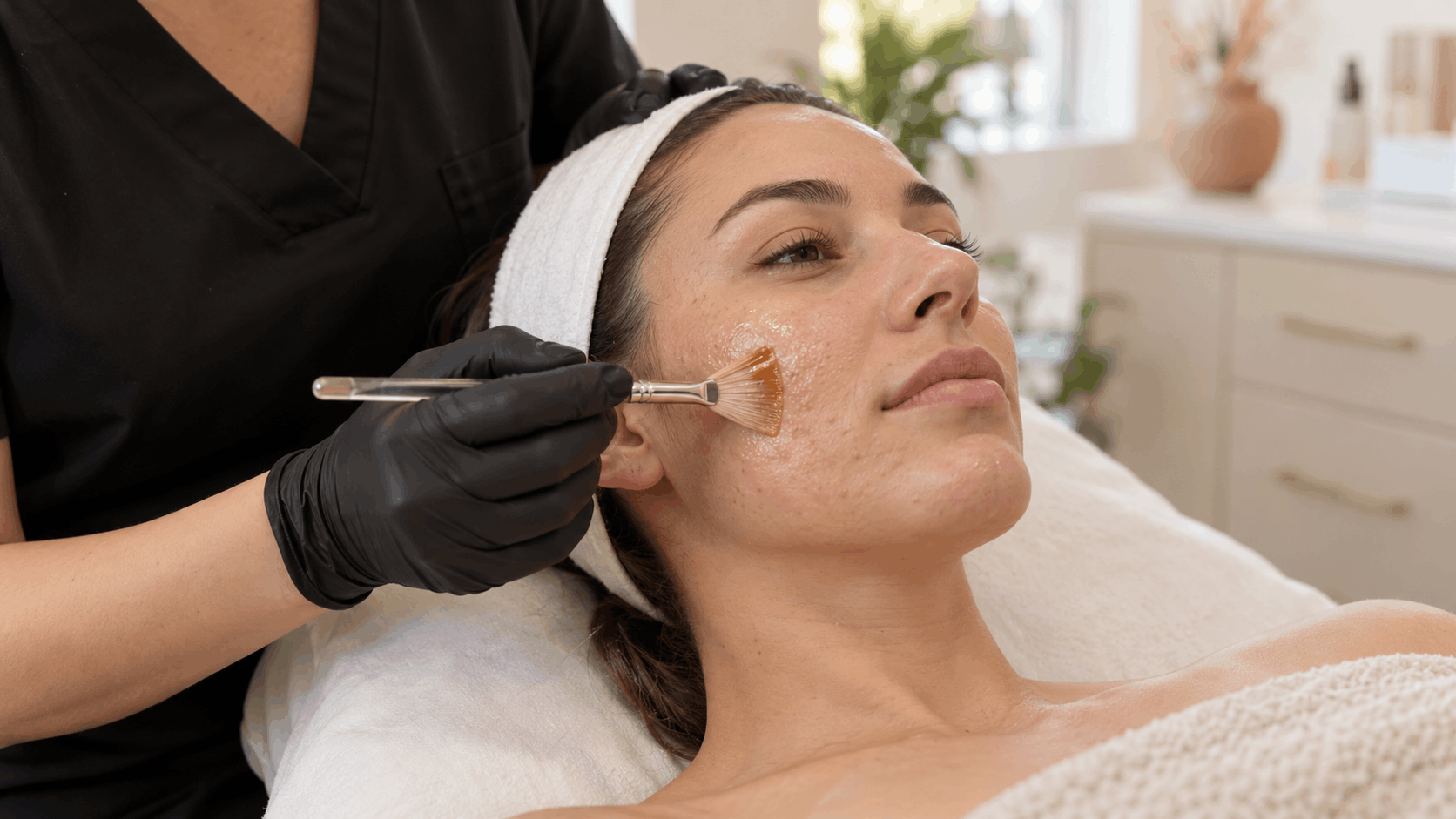
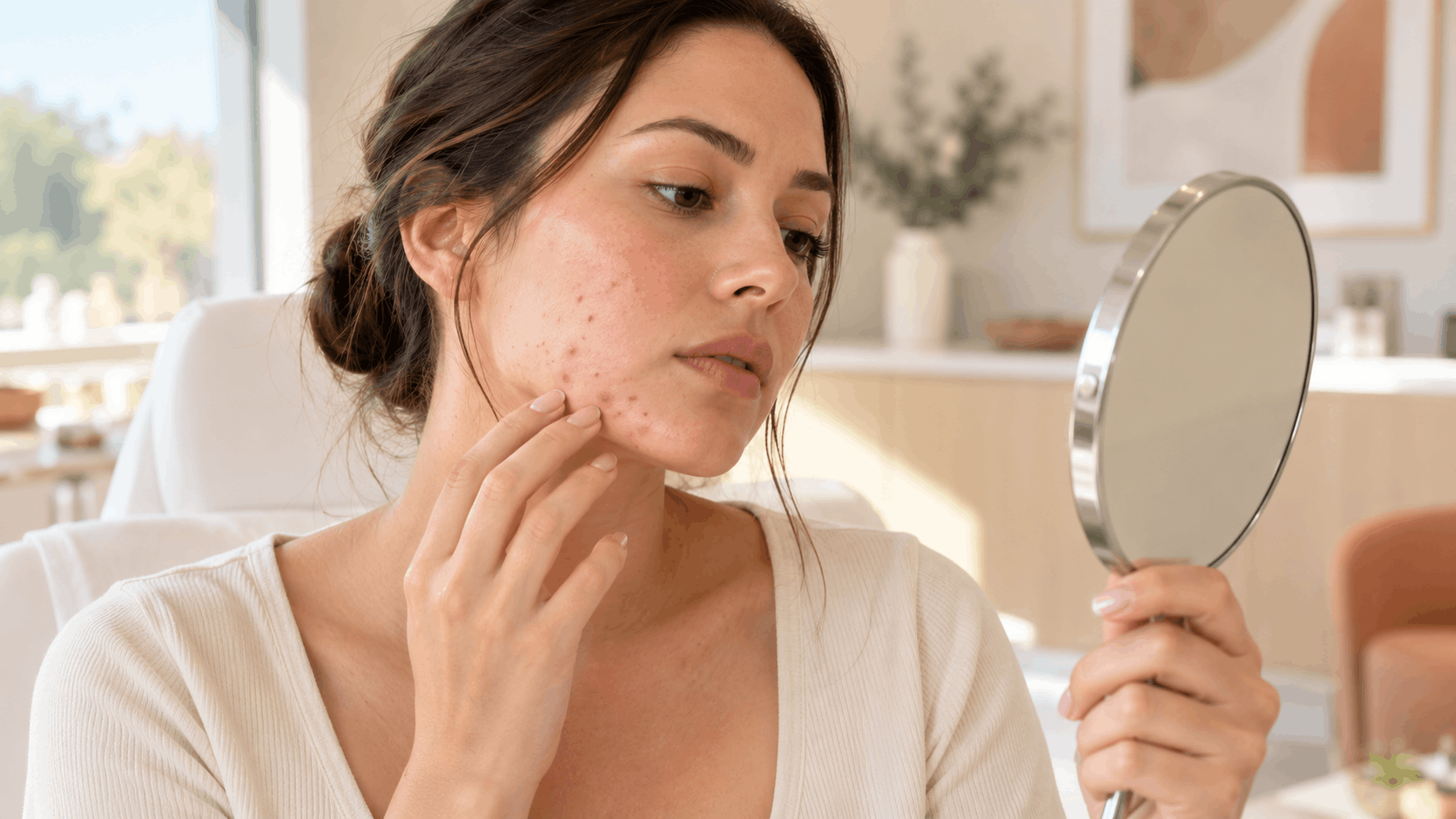
If you’re looking to improve skin texture, brighten your complexion, and achieve a smoother appearance, you’ve likely come across both dermaplaning and chemical peels. Individually, these treatments can provide impressive results. Together, they can often create an even more powerful skin rejuvenation experience.
Many patients ask whether combining dermaplane with chemical peel treatments is safe, effective, and worth the investment. The answer is often yes—when performed by experienced skincare professionals and customized to your skin type and concerns.
Because dermaplaning removes surface debris and dead skin cells, it can help chemical peel solutions penetrate more evenly and effectively. However, not every skin type is an ideal candidate for every peel combination, which is why proper treatment selection is important.
This guide explains how dermaplaning and chemical peels work together, the potential benefits, and which peel options may be most appropriate for your skin goals.
Jump to:
- TLDR – Quick Guide
- Detailed Breakdown
- Why Melasma Comes Back So Easily
- Why Prevention Matters as Much as Treatment
- Chemical Peels for Melasma
- Why VI Peel Precision Plus Is Often Used for Pigmentation
- Prescription-Strength and Professional Skincare
- Sunscreen Is Non-Negotiable
- Heat and Melasma Recurrence
- Laser Treatments for Melasma
- Microneedling and Skin Barrier Support
- Why Maintenance Treatments Matter
- Common Mistakes That Make Melasma Worse
- What Actually Helps Prevent Melasma Recurrence
- When to Consider Professional Help
- Why Personalized Treatment Matters
- Key Takeaways
- FAQs
TLDR – Quick Guide
- Combining dermaplane with chemical peel treatments can enhance exfoliation and skin rejuvenation.
- Dermaplaning removes dead skin cells and peach fuzz from the skin’s surface.
- Chemical peels target concerns such as pigmentation, acne, texture, and fine lines.
- Combining treatments may improve product penetration and overall results.
- Not every peel is appropriate for every skin type.
- Professional evaluation helps determine the safest and most effective treatment plan.
- Popular peel options include VI Peel, TCA Peel, BioRe Peel, and Clarifying Peels.
Detailed Breakdown
What Is Dermaplaning?
Dermaplane is a non-invasive exfoliation treatment that uses a specialized surgical blade to gently remove:
- Dead skin cells
- Surface debris
- Vellus hair (commonly called peach fuzz)
The treatment leaves the skin feeling:
- Smoother
- Softer
- Brighter
- More refreshed
Many patients appreciate dermaplaning because it produces immediate improvements in skin texture without significant downtime.
What Is a Chemical Peel?
Chemical peels use carefully formulated acids to exfoliate the skin and encourage cellular turnover.
Depending on the type of peel, benefits may include:
- Improved skin tone
- Reduced pigmentation
- Fewer breakouts
- Enhanced texture
- Softened fine lines
- Brighter complexion
Chemical peels range from mild to more intensive treatments depending on the patient’s goals and skin condition.
Why Combine Dermaplane With Chemical Peel Treatments?
One of the primary reasons providers combine dermaplane with chemical peel treatments is to maximize skin exfoliation.
Dermaplaning removes the outermost layer of dead skin cells, creating a cleaner surface for the peel solution.
Potential benefits include:
- More even peel penetration
- Enhanced exfoliation
- Improved skin smoothness
- Brighter overall complexion
- Better skincare product absorption
Many patients report that their skin appears especially radiant after combination treatments.
Benefits of Combining Dermaplaning and Chemical Peels
Enhanced Skin Texture
Both treatments focus on improving the skin’s surface.
By combining them, patients often notice:
- Smoother skin
- Softer texture
- Reduced roughness
Improved Product Penetration
Removing surface debris allows peel ingredients to interact more effectively with the skin.
This may help improve treatment outcomes.
Brighter Complexion
Many patients seek combination treatments to address:
- Dull skin
- Uneven tone
- Mild discoloration
The combined exfoliation process often creates a brighter, healthier-looking appearance.
Better Makeup Application
Without peach fuzz and excess dead skin, makeup frequently applies more smoothly and evenly.
This is one reason dermaplaning remains popular before special events.
Who Is a Good Candidate?
Many patients benefit from combining dermaplane with chemical peel treatments.
Good candidates often include individuals concerned about:
- Dull skin
- Uneven texture
- Mild pigmentation
- Fine lines
- Congestion
- Acne marks
However, treatment suitability depends on individual skin characteristics and sensitivities.
A consultation helps determine the safest approach.
VI Peel After Dermaplaning
One popular option is the VI Peel.
The VI Peel is commonly used to address:
- Pigmentation
- Fine lines
- Acne concerns
- Uneven texture
When paired with dermaplaning, many patients experience enhanced skin brightness and rejuvenation.
The treatment is often selected for individuals seeking comprehensive skin renewal.
TCA Peel After Dermaplaning
The TCA Peel offers a deeper level of exfoliation than many lighter peels.
Potential benefits include:
- Improved texture
- Reduction in visible sun damage
- Softening of fine lines
- Enhanced skin tone
Because TCA peels are more intensive, proper patient selection is particularly important when combining treatments.
BioRe Peel for Skin Rejuvenation
The BioRe Peel has gained popularity for its ability to provide exfoliation with minimal downtime.
Potential benefits include:
- Improved skin quality
- Enhanced radiance
- Smoother texture
- Reduced congestion
Many patients appreciate BioRe Peel because it offers noticeable improvements while fitting into busy schedules.
Clarifying Peels for Acne-Prone Skin
Patients struggling with breakouts may benefit from a Clarifying Peel.
These treatments are often used to address:
- Acne
- Oily skin
- Congestion
- Enlarged pores
Combining dermaplaning with an acne-focused peel may help improve overall skin clarity for appropriately selected patients.
Are There Risks to Combining Treatments?
While combination treatments are often safe and effective, they are not appropriate for every individual.
Potential considerations include:
- Sensitive skin
- Active rosacea
- Certain inflammatory skin conditions
- Recent sunburn
- Compromised skin barriers
Over-exfoliation can occur if treatments are not properly customized.
This is why professional evaluation is essential before combining procedures.
How Often Can You Combine Dermaplaning and Peels?
Treatment frequency varies depending on:
- Skin type
- Treatment intensity
- Desired results
- Recovery response
Many patients schedule treatments every four to six weeks as part of an ongoing skincare plan.
Your provider can recommend an appropriate schedule based on your individual goals.
Supporting Long-Term Skin Health
While professional treatments can deliver excellent results, maintaining healthy skin also requires:
- Daily sunscreen use
- Consistent skincare
- Hydration
- Professional guidance
Many patients incorporate combination treatments into a broader skincare strategy that may also include facials and laser-based rejuvenation therapies.
Key Takeaways
- Combining dermaplane with chemical peel treatments can enhance exfoliation, skin smoothness, and overall radiance.
- Dermaplaning removes dead skin cells and peach fuzz, creating a cleaner surface for chemical peel application.
- Many patients experience improved texture, brighter skin, and better skincare product absorption after combination treatments.
- VI Peel, TCA Peel, BioRe Peel, and Clarifying Peels can all provide unique benefits depending on individual skin concerns.
- Not every skin type is a candidate for every peel, making professional evaluation important.
- Proper treatment selection helps maximize results while minimizing the risk of irritation or over-exfoliation.
- A customized skincare plan can help maintain healthier, brighter-looking skin long after treatment.
FAQs
1. Can you combine dermaplane with chemical peel treatments?
Yes. Many skincare professionals combine dermaplaning and chemical peels to enhance exfoliation and improve treatment effectiveness. The combination can help create smoother, brighter skin when appropriately customized.
2. Does dermaplaning make a chemical peel work better?
Dermaplaning removes dead skin cells and surface debris, which may allow chemical peel solutions to penetrate more evenly. This can enhance overall skin rejuvenation results. However, treatment selection should always be tailored to the patient’s skin.
3. Which chemical peel works best after dermaplaning?
The best peel depends on your specific concerns. VI Peels, TCA Peels, BioRe Peels, and Clarifying Peels each address different skin issues. A consultation can help determine which option is most appropriate.
4. Is there any downtime after combining dermaplaning and a chemical peel?
Downtime varies depending on the peel used. Some patients experience mild redness and peeling, while others have minimal visible recovery. Treatment intensity plays a major role in the healing process.
5. How often should you get dermaplaning and chemical peels?
Many patients schedule treatments every four to six weeks, although timing varies based on skin type and goals. Your provider can recommend a personalized treatment schedule that supports long-term skin health and results.