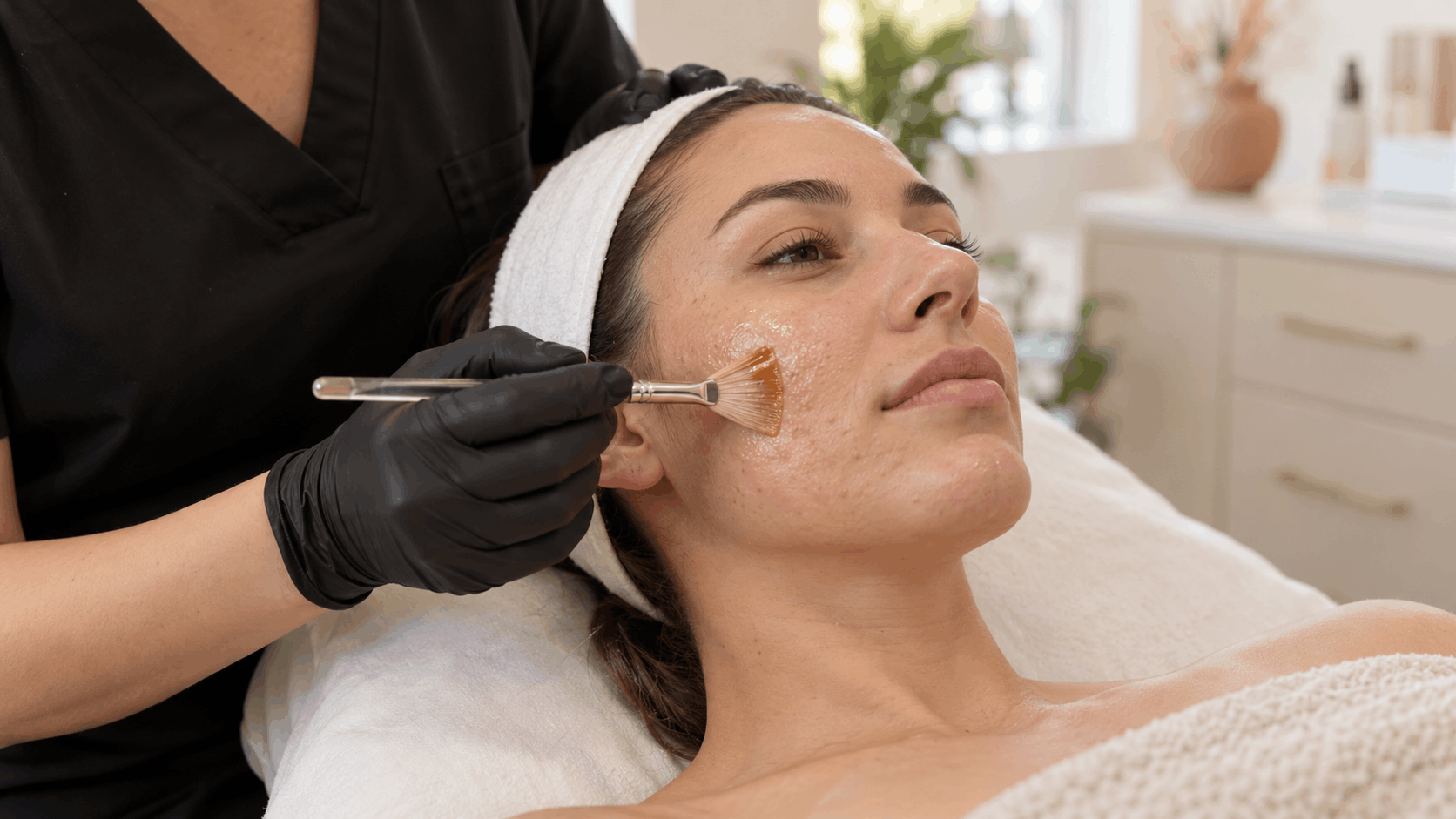
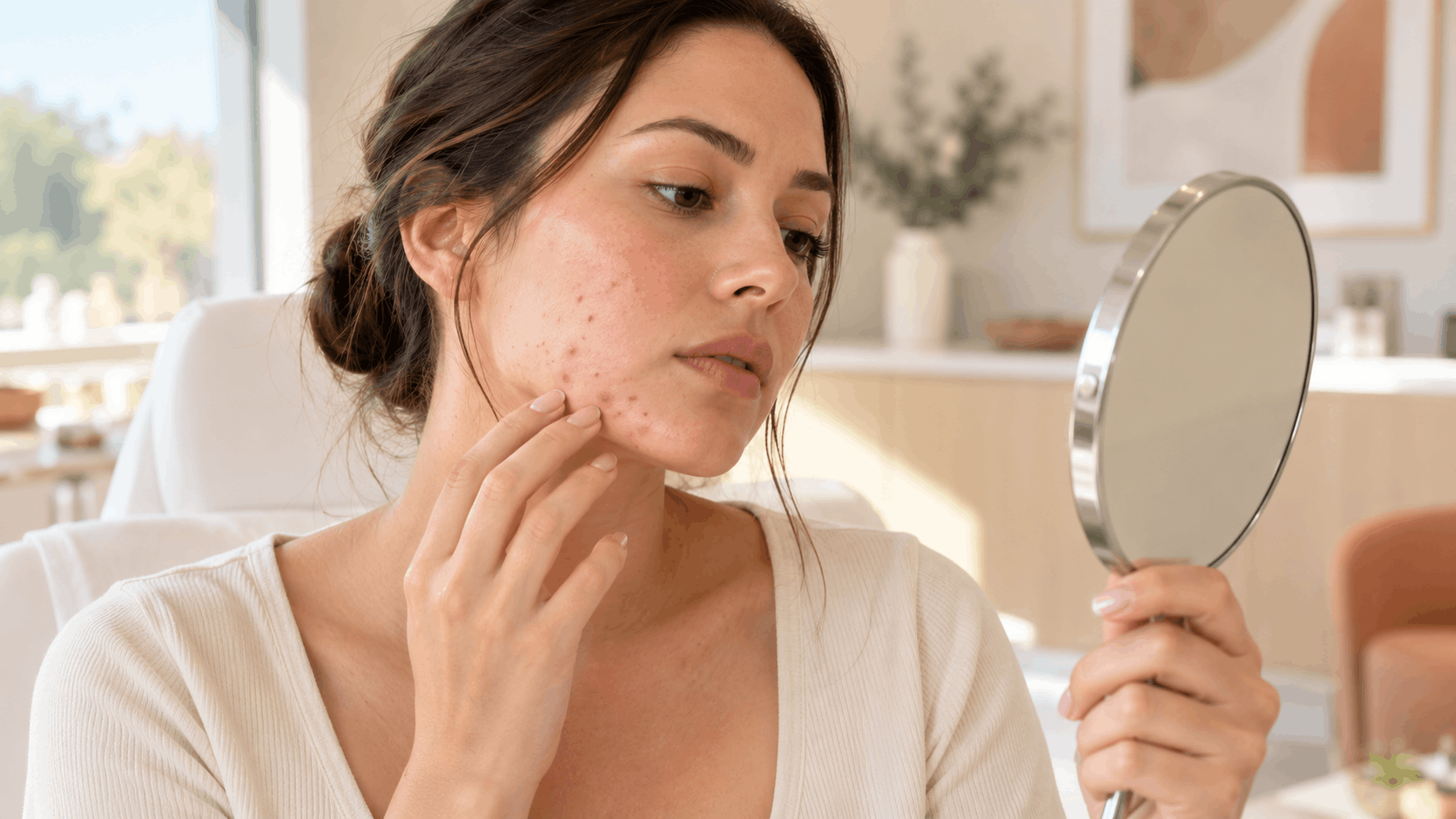
You walk out of a facial expecting glowing, flawless skin… but instead, you notice redness, breakouts, or irritation.
Naturally, the first thought is: Did something go wrong?
If you’ve ever wondered why skin looks worse after facial, you’re not alone. It’s one of the most common concerns people have after treatment—and in many cases, it’s completely normal.
The key is knowing the difference between a temporary reaction and a real problem. Because while some post-facial changes are part of the process, others may signal that your skin didn’t respond well.
This guide breaks down what’s happening beneath the surface—and when you should (or shouldn’t) worry.
Jump to:
TLDR – Quick Guide
- Skin can look worse temporarily due to extractions, exfoliation, or purging
- Redness and mild breakouts are often normal short-term reactions
- “Purging” usually clears within a few days to a week
- Severe irritation or prolonged breakouts may signal a problem
- Proper aftercare plays a major role in recovery and results
Detailed Breakdown
Why Skin Looks Worse After Facial (The Real Reasons)
1. Extractions Can Cause Temporary Redness and Breakouts
During a facial, extractions are often performed to remove clogged pores, blackheads, and impurities.
While this helps clear your skin long-term, it can cause:
- Redness
- Slight swelling
- Temporary breakouts in treated areas
This happens because your skin has been physically manipulated. It’s a short-term reaction, not a sign of damage.
2. Your Skin May Be “Purging”
Purging is one of the most misunderstood parts of skincare.
After a facial—especially one involving exfoliation—your skin may:
- Bring underlying congestion to the surface
- Accelerate the life cycle of breakouts
- Trigger small, temporary pimples
This is actually a good sign. It means your skin is clearing out impurities faster than usual.
3. Increased Sensitivity After Treatment
Facials often include exfoliation, which removes dead skin cells and reveals fresh skin underneath.
This makes your skin:
- More sensitive
- Slightly red or flushed
- More reactive to products or environment
This sensitivity usually fades within 24–72 hours.
4. New Products or Ingredients Were Introduced
If your facial included products your skin isn’t used to, it may react.
Possible reactions:
- Mild irritation
- Breakouts
- Temporary dryness
This doesn’t always mean the products are bad—it may just mean your skin needs time to adjust.
When It’s Normal vs When It’s Not
Normal Reactions
These are expected and typically resolve on their own:
- Mild redness lasting 1–3 days
- Small breakouts (purging) that clear quickly
- Slight dryness or flaking
- Increased sensitivity
These reactions are part of your skin adjusting and renewing itself.
When to Be Concerned
Some reactions go beyond normal and may require attention.
Watch for:
- Severe or prolonged irritation
- Painful or cystic breakouts
- Burning or stinging that doesn’t improve
- Reactions lasting more than a week
In these cases, your skin may have been over-treated or reacted poorly to certain products.
How Long Does It Take for Skin to Settle?
For most people:
- Redness fades within 24–72 hours
- Minor breakouts clear within 3–7 days
- Skin begins to look smoother and brighter within a week
If your skin still looks worse after this period, it’s worth reassessing your treatment or aftercare routine.
How to Prevent Skin From Looking Worse After a Facial
Choose the Right Type of Facial
Not all facials are suitable for every skin type.
If you’re prone to sensitivity or breakouts, opt for:
- Gentle, hydrating facials
- Treatments with minimal extractions
- Customized services based on your skin condition
You can explore advanced aesthetic treatments designed for different skin needs here
Follow Proper Aftercare
Post-facial care is just as important as the treatment itself.
Key guidelines:
- Avoid harsh products for a few days
- Skip exfoliation temporarily
- Use gentle, hydrating skincare
- Apply sunscreen consistently
This helps your skin recover and maintain results.
Avoid Trying New Products Immediately
Your skin is more sensitive after a facial, so introducing new products can increase the risk of irritation.
Stick to your regular routine and allow your skin to stabilize first.
Why Professional Guidance Matters
A well-performed facial should improve your skin—not create long-term issues.
Working with experienced providers like Genesis MedSpa ensures your treatment is tailored to your skin type and concerns.
A personalized approach reduces the risk of adverse reactions and helps you get the best possible results.
Common Mistakes That Make Skin Reactions Worse
Avoid these common post-facial mistakes:
- Touching or picking at your skin
- Using strong active ingredients too soon
- Skipping sunscreen
- Over-cleansing or over-exfoliating
- Ignoring aftercare instructions
These habits can turn a normal reaction into a longer-lasting problem.
Key Takeaways
- Why skin looks worse after facial is often due to temporary reactions like purging or sensitivity
- Mild redness and breakouts are usually normal and short-lived
- Proper aftercare plays a major role in how your skin recovers
- Not all facials are suitable for every skin type
- Personalized treatments help minimize negative reactions and improve results
FAQs
1. Why does my skin break out after a facial?
Breakouts after a facial are often due to purging, where impurities are brought to the surface. This is a temporary process that helps clear your skin. It usually resolves within a few days.
2. How long does redness last after a facial?
Redness typically lasts between 24 to 72 hours. This is a normal response to extractions and exfoliation. If it persists longer, it may indicate sensitivity or irritation.
3. Is it normal for skin to look worse before it gets better?
Yes, in many cases, skin may look worse temporarily before improving. This is especially true if purging occurs. As your skin clears, you should start to see better results.
4. What should I avoid after a facial?
Avoid harsh products, exfoliation, and excessive sun exposure. Your skin needs time to recover and rebalance. Keeping your routine simple helps prevent irritation.
5. When should I be concerned after a facial?
You should be concerned if you experience severe irritation, pain, or prolonged breakouts. These may indicate a reaction or improper treatment. In such cases, consult a professional for guidance.