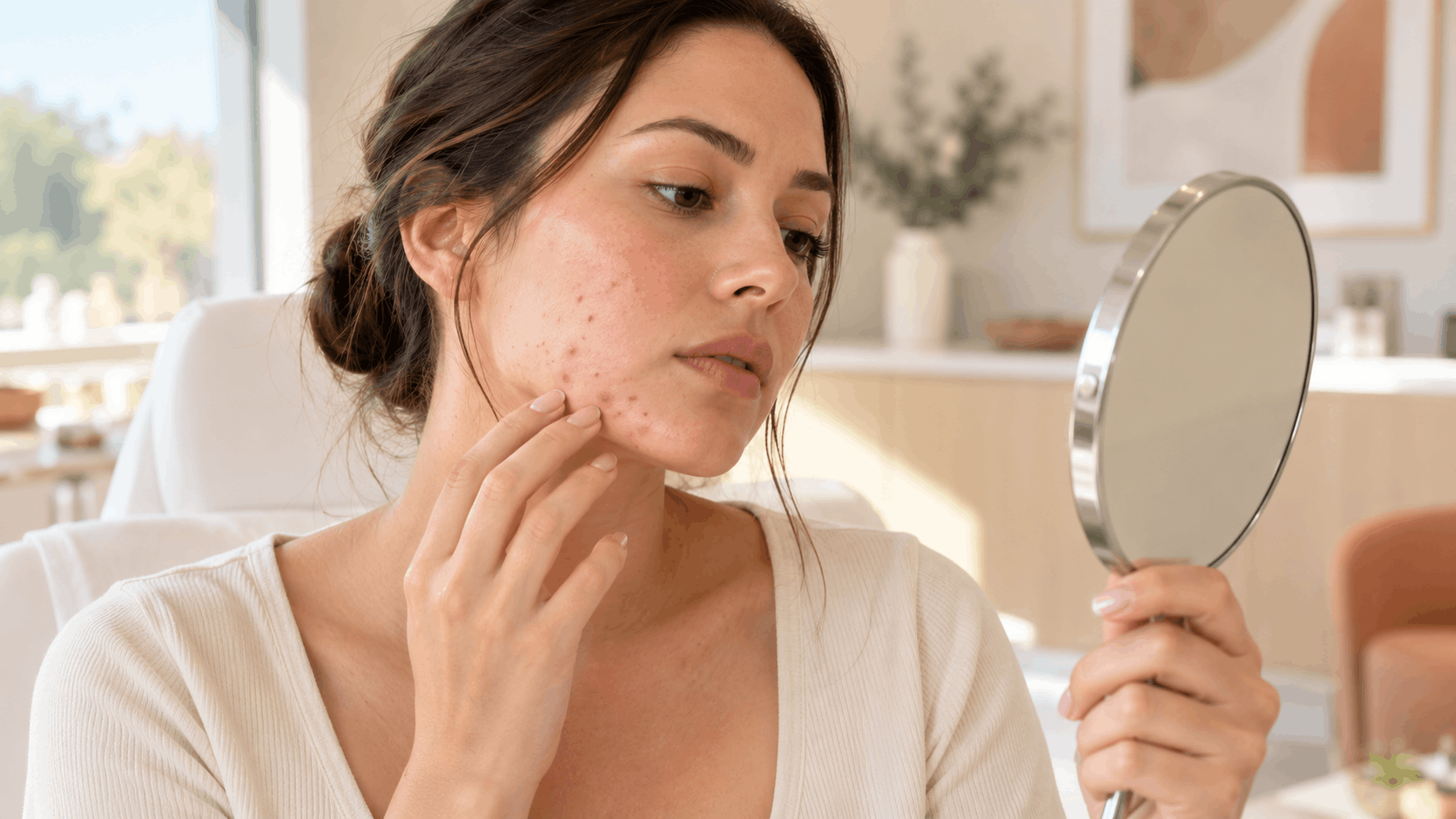
That small brown spot you barely noticed a few summers ago can become surprisingly difficult to ignore.
Sun spots develop after cumulative ultraviolet exposure triggers increased pigment production in the skin. Because that exposure adds up over time—and additional sun can make existing pigmentation more noticeable—spots may gradually look darker or more defined.
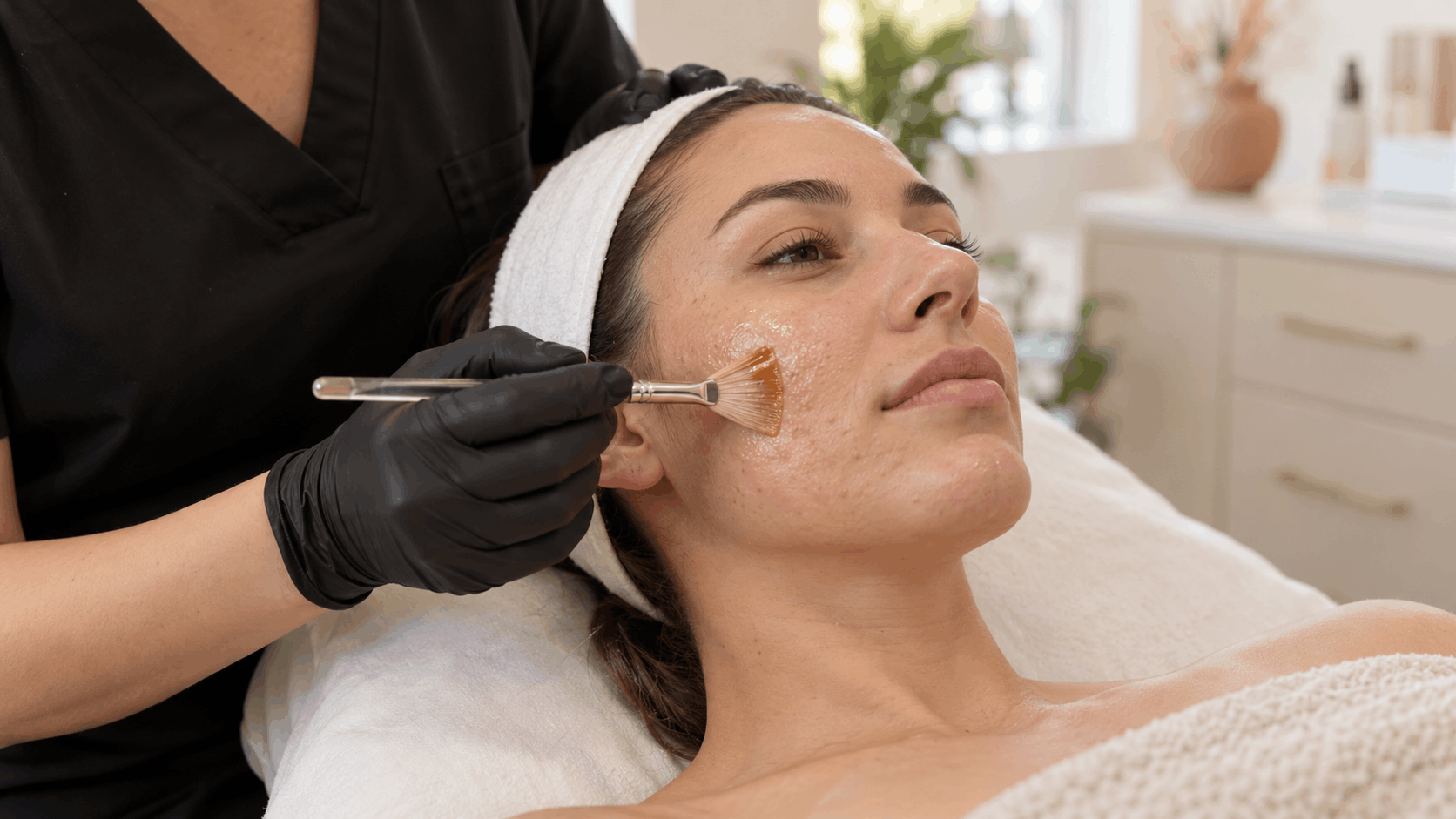
That’s where VI Peel Precision Plus for sun spots may be considered. This professional chemical peel is designed with pigmentation concerns in mind and may help improve the appearance of sun-related discoloration and uneven skin tone.
But treating existing pigment is only half the conversation. Without consistent sun protection, new discoloration can develop and treated spots may become noticeable again.
Jump To:
- Detailed Breakdown
- Why Do Sun Spots Get Darker Over Time?
- Are Sun Spots the Same as Uneven Skin Tone?
- What Is VI Peel Precision Plus?
- How May VI Peel Precision Plus Help Sun Spots?
- Why Do Freckles and Pigmented Spots Become More Noticeable With Age?
- Can Sun Spots Return After a Chemical Peel?
- What If You Have More Than Just Sun Spots?
- What Should You Expect After VI Peel Precision Plus?
- Key Takeaways
- FAQs
TL;DR – Quick Guide
- Sun spots are associated with cumulative UV exposure and excess pigment.
- Additional sun exposure can make existing discoloration look darker.
- Pigmentation often becomes more noticeable as years of sun exposure accumulate.
- VI Peel Precision Plus for sun spots is a professional chemical peel designed to address pigmentation concerns.
- Treatment may help improve uneven-looking tone and visible discoloration.
- Results develop as the skin goes through the post-peel process.
- Daily sun protection remains essential before and after pigmentation treatments.
Detailed Breakdown
Why Do Sun Spots Get Darker Over Time?
Your skin produces melanin as part of its natural response to ultraviolet exposure.
After repeated exposure, pigment can become concentrated in certain areas, creating flat brown spots commonly associated with sun damage. Additional UV exposure may stimulate more pigment, making existing spots appear darker or more noticeable.
And the sun exposure responsible for today’s spots may have happened years ago.
That’s why sun damage and age spots can become increasingly apparent over time, even when your current skincare routine is considerably better than it used to be.
Are Sun Spots the Same as Uneven Skin Tone?
Sun spots are one possible contributor to uneven skin tone, but they’re not the only one.
Discoloration can have different causes and appearances. Post-inflammatory marks, melasma, freckles, and sun-related pigmentation may all create areas that look darker than the surrounding skin.
This distinction matters because effective treatment starts with understanding what type of pigment you’re actually seeing.
If discoloration extends beyond individual sun spots, learning more about uneven skin tone and hyperpigmentation can help put the concern into a broader context.
What Is VI Peel Precision Plus?
VI Peel Precision Plus is a professional chemical peel formulated for pigmentation concerns.
Chemical peels work by applying a controlled solution to the skin, encouraging exfoliation and renewal of the treated surface. Precision Plus is specifically positioned toward concerns involving discoloration and uneven-looking tone.
You can learn more about VI Peel Precision Plus and how Genesis MedSpa incorporates the peel into professional skincare plans.
Because pigmentation can have different causes, a consultation should come before assuming every brown spot needs the same peel.
How May VI Peel Precision Plus Help Sun Spots?
VI Peel Precision Plus for sun spots aims to improve visible discoloration through controlled chemical exfoliation and ingredients selected for pigmentation concerns.
As treated surface cells shed during the peel process, areas of uneven pigmentation may gradually appear lighter and the overall complexion may look more even.
The treatment may be considered when concerns include:
- Sun spots
- Age spots
- Uneven-looking pigmentation
- Dullness
- Post-acne discoloration
- Overall uneven skin tone
Results aren’t instant, and one treatment can’t erase the effects of years of UV exposure overnight.
The goal is gradual improvement—not a magic eraser.
Why Do Freckles and Pigmented Spots Become More Noticeable With Age?
Time gives sun exposure plenty of opportunity to accumulate.
Areas repeatedly exposed to UV radiation—particularly the face—may gradually show more visible pigmentation. Existing freckles and spots can also become more noticeable following additional sun exposure.
If you’ve noticed this happening, Genesis MedSpa’s guide to why freckles get darker with age explains how accumulated sun exposure can influence their appearance.
Not every freckle or brown spot is something to treat cosmetically, however. New, changing, irregular, or otherwise concerning spots should be appropriately evaluated rather than automatically treated as ordinary pigmentation.
Can Sun Spots Return After a Chemical Peel?
A chemical peel can address existing visible pigmentation, but it can’t prevent future UV exposure.
That’s the catch.
If you return to significant unprotected sun exposure after treatment, your skin can produce additional pigment. New spots may appear, and discoloration can become noticeable again.
For that reason, VI Peel Precision Plus for sun spots works best as part of a broader pigmentation strategy that includes consistent sun protection and appropriate skincare.
Treating pigment while ignoring UV protection is a little like mopping the floor while the faucet is still running.
What If You Have More Than Just Sun Spots?
Pigmentation is complicated because similar-looking discoloration can have different causes.
Someone with a handful of sun spots may need a different approach than someone dealing with widespread hyperpigmentation or another pigment-related concern.
That’s why professional assessment matters.
Genesis MedSpa also offers additional approaches to hyperpigmentation treatment depending on the type of discoloration, skin characteristics, and treatment goals.
The right treatment starts with correctly identifying the concern.
What Should You Expect After VI Peel Precision Plus?
A chemical peel is a process rather than a one-hour transformation.
Following treatment, the skin goes through a period of renewal and visible peeling may occur. Your provider will give you specific instructions about skincare, sun protection, and what products or activities to avoid during this period.
Don’t speed up peeling by picking at the skin.
Allowing treated skin to shed naturally and following aftercare instructions can help support an appropriate recovery.
At Genesis MedSpa, treatment recommendations and aftercare can be tailored to your skin, pigmentation concerns, and goals.
Key Takeaways
- Sun spots develop as UV exposure contributes to increased pigment in areas of the skin.
- Cumulative sun exposure can make pigmentation more noticeable over time.
- Sun spots are one type of hyperpigmentation and aren’t identical to every form of discoloration.
- VI Peel Precision Plus for sun spots is a professional chemical peel designed with pigmentation concerns in mind.
- Controlled exfoliation may help improve the appearance of visible discoloration and uneven skin tone.
- Results develop during and after the peeling process rather than appearing instantly.
- Pigmentation can have different causes, so identifying the type of discoloration matters before choosing treatment.
- A chemical peel can’t prevent future sun damage or new pigmentation.
- Consistent sun protection is an important part of maintaining improvements.
- New or changing pigmented spots should be appropriately evaluated rather than automatically assumed to be cosmetic sun damage.
FAQs
1. Does VI Peel Precision Plus work for sun spots?
VI Peel Precision Plus for sun spots is designed to address pigmentation and uneven-looking skin tone through controlled chemical exfoliation. It may help visible sun-related discoloration appear lighter as the treated skin renews. Individual results depend on factors such as the type and depth of pigmentation, skin characteristics, and treatment plan.
2. How long does it take to see results from VI Peel Precision Plus?
Results aren’t immediate because the skin needs time to move through the post-peel renewal process. Changes in tone and discoloration may become more noticeable after peeling and recovery progress. Your individual timeline can vary according to your skin and the pigmentation being treated.
3. Can sun spots come back after VI Peel Precision Plus?
Yes, pigmentation can become noticeable again, particularly with continued UV exposure. A chemical peel can address existing discoloration but cannot prevent your skin from producing new pigment in response to future sun exposure. Consistent sun protection is therefore important for maintaining results.
4. Is VI Peel Precision Plus only for sun spots?
No, VI Peel Precision Plus may be considered for several pigmentation-related concerns rather than sun spots alone. Uneven-looking tone and certain forms of discoloration may also be reasons a provider discusses the treatment. A professional evaluation can determine whether the peel matches the type of pigmentation you have.
5. How many VI Peel Precision Plus treatments are needed for sun spots?
The number of treatments varies because pigmentation depth, extent, skin response, and individual goals aren’t identical from person to person. Some people may benefit from more than one treatment as part of an ongoing pigmentation plan. A provider can recommend an appropriate schedule after evaluating your skin and monitoring how it responds.