Social media has transformed how we perceive beauty, self-care, and aging. More young adults in their 20s and 30s are embracing preventative aesthetics—not to dramatically alter their appearance, but to preserve and protect what they have. While platforms like Instagram and TikTok spotlight smooth skin and “ageless” faces, it’s crucial to separate hype from reality. Knowing what truly works, what’s safe, and what’s appropriate for your age can help you make smart decisions, avoid over-treating, and invest wisely in your long-term skin health.
Jump To:
TLDR Quick Guide
- Social media has popularized preventative aesthetics among 20- and 30-somethings.
- Most treatments focus on subtle, natural results and long-term skin health.
- Popular options include neurotoxins (like Botox), gentle lasers, microneedling, and high-quality skincare.
- Results are gradual and cumulative, not instant or extreme.
- Choose licensed, experienced providers to ensure safety and the best outcomes.
What Are Preventative Aesthetics?
Preventative aesthetics refers to using medical-grade treatments and skincare to delay visible signs of aging before they fully develop. Rather than fixing wrinkles or sagging after they appear, the goal is to preserve collagen, prevent volume loss, and maintain healthy skin. Procedures are typically subtle, with a focus on prevention, not transformation. The most common candidates are adults in their 20s and 30s who want to look refreshed and natural for years to come.
Common Preventative Aesthetic Treatments
Neurotoxins (Botox, Dysport):
Small, strategically placed injections can prevent the deepening of expression lines, especially in the forehead and around the eyes. Treatment takes about 10–20 minutes, with no downtime and subtle, softening results.
Dermal Fillers:
Used in small amounts to maintain facial volume and enhance features like lips or cheeks, fillers can help offset the early effects of aging. Expect minimal swelling or redness that fades quickly.
Microneedling & RF Microneedling:
Collagen induction therapies like microneedling can improve texture, minimize pores, and boost your skin’s resilience. Treatments are short and side effects are typically mild.
Laser Treatments:
Gentle, non-ablative lasers (like Pico Genesis) can address pigmentation and stimulate collagen with minimal downtime, supporting a long-term youthful appearance.
Professional Skincare & Medical Facials:
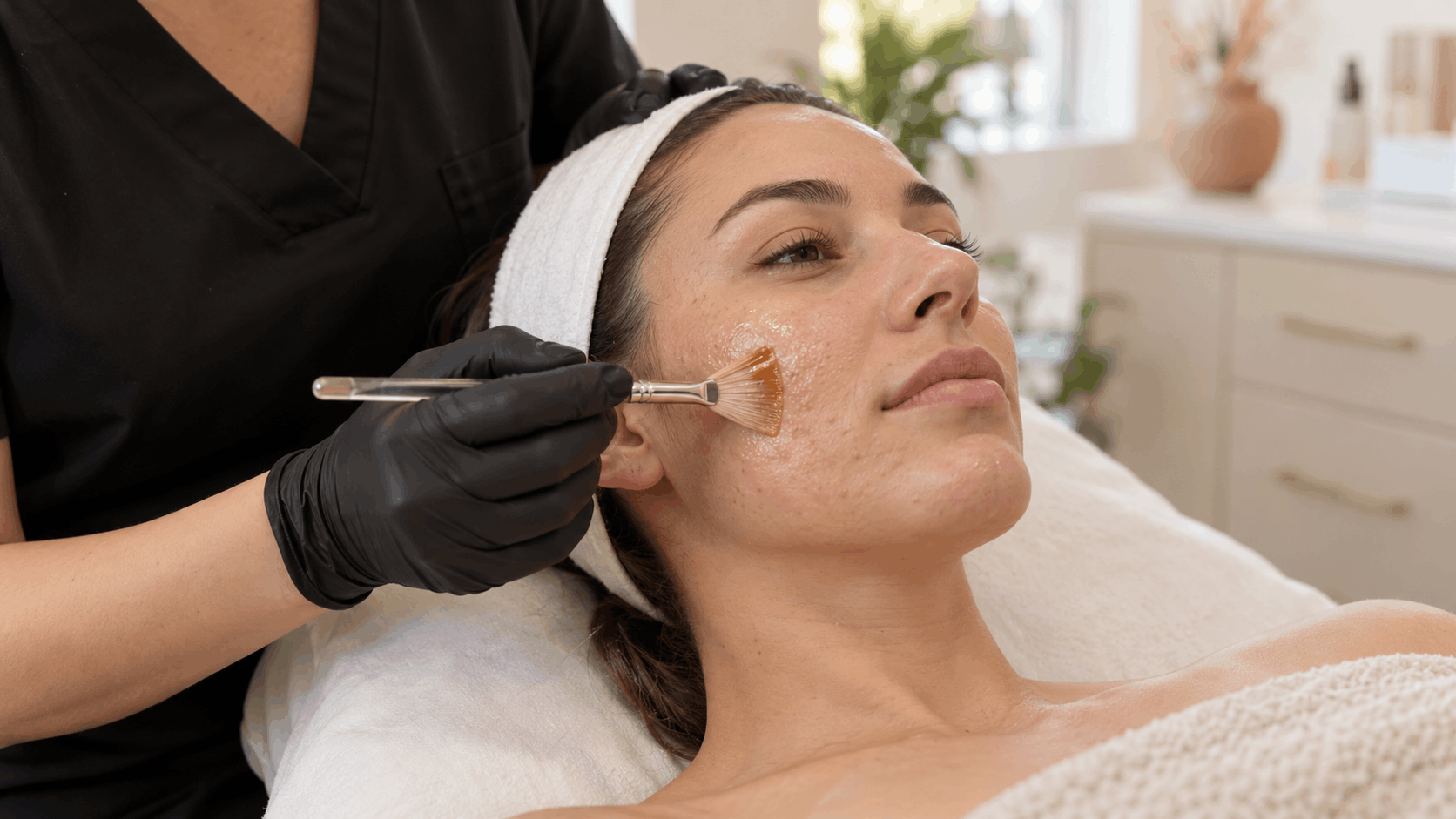
Customized facials, prescription-grade skincare, and light chemical peels lay the foundation for lasting skin health, helping to prevent sun damage, acne scars, and uneven tone.
Results and What to Expect
Preventative treatments are designed for steady, sustainable improvement—not dramatic overnight changes. Neurotoxins soften lines over a few days, fillers add subtle volume with full results after mild swelling resolves, and microneedling or lasers improve texture gradually over several sessions. Most treatments have little to no downtime, and any redness or swelling is short-lived.
Are There Any Limitations?
While preventative aesthetics offer real benefits, they’re not a magic solution. Overuse or “stacking” treatments too aggressively can lead to an unnatural look or unnecessary risk. Some side effects—such as temporary redness, swelling, or, in rare cases, bruising—are possible. Always discuss your goals and medical history with a licensed professional, and avoid chasing trends or unproven treatments you see on social media.
How to Choose the Right Provider
The best outcomes happen with experienced, medically trained providers who understand facial anatomy and the nuances of aging prevention. Look for a clinic that offers thorough consultations, transparent guidance, and realistic expectations about what preventative aesthetics can and cannot achieve. Proper aftercare and a personalized plan are key to maximizing safety and results.
Key Takeaways
- Preventative aesthetics are growing in popularity, thanks to social media’s influence.
- Treatments are subtle, aiming for long-term maintenance—not quick fixes.
- Most offer little to no downtime and focus on enhancing natural beauty.
- Choosing the right provider is essential for safe, satisfying results.
- Set realistic expectations and don’t fall for social media hype.
FAQs
What age should I start preventative aesthetic treatments?
Most people start considering these treatments in their mid-to-late 20s or early 30s, depending on genetics, lifestyle, and skin goals.
Are preventative treatments safe?
When performed by licensed professionals, these procedures are generally very safe. Always research your provider and clinic.
How often should I get preventative treatments?
Treatment frequency varies by type, but many clients return every 3–6 months for neurotoxins or quarterly for facials and lasers.
Can preventative aesthetics look unnatural?
Not if they’re done conservatively by skilled providers. The goal is subtlety and maintaining your unique look.
Are results permanent?
Most treatments are temporary but build cumulative benefits over time. Maintenance is required for lasting results.