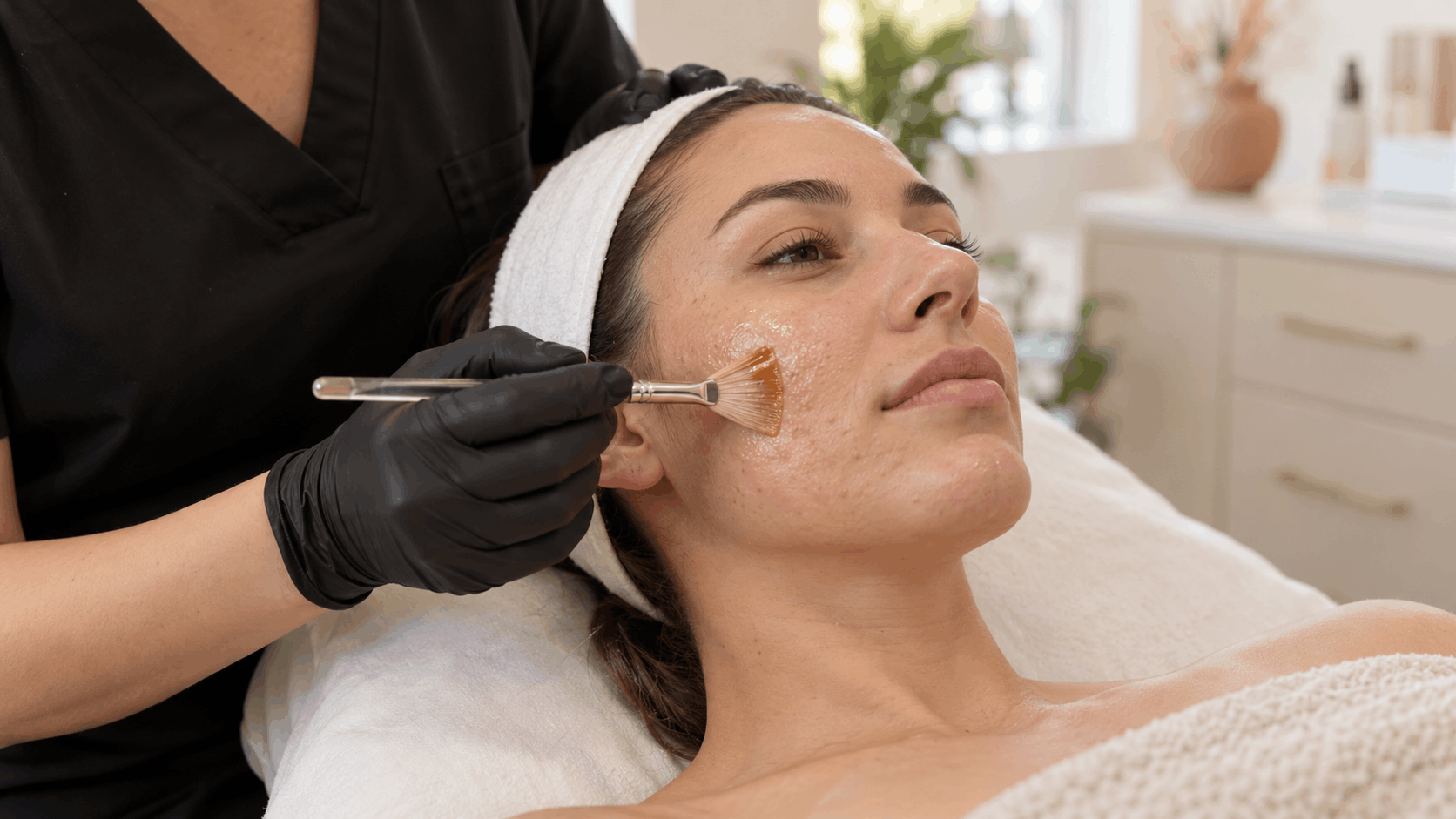
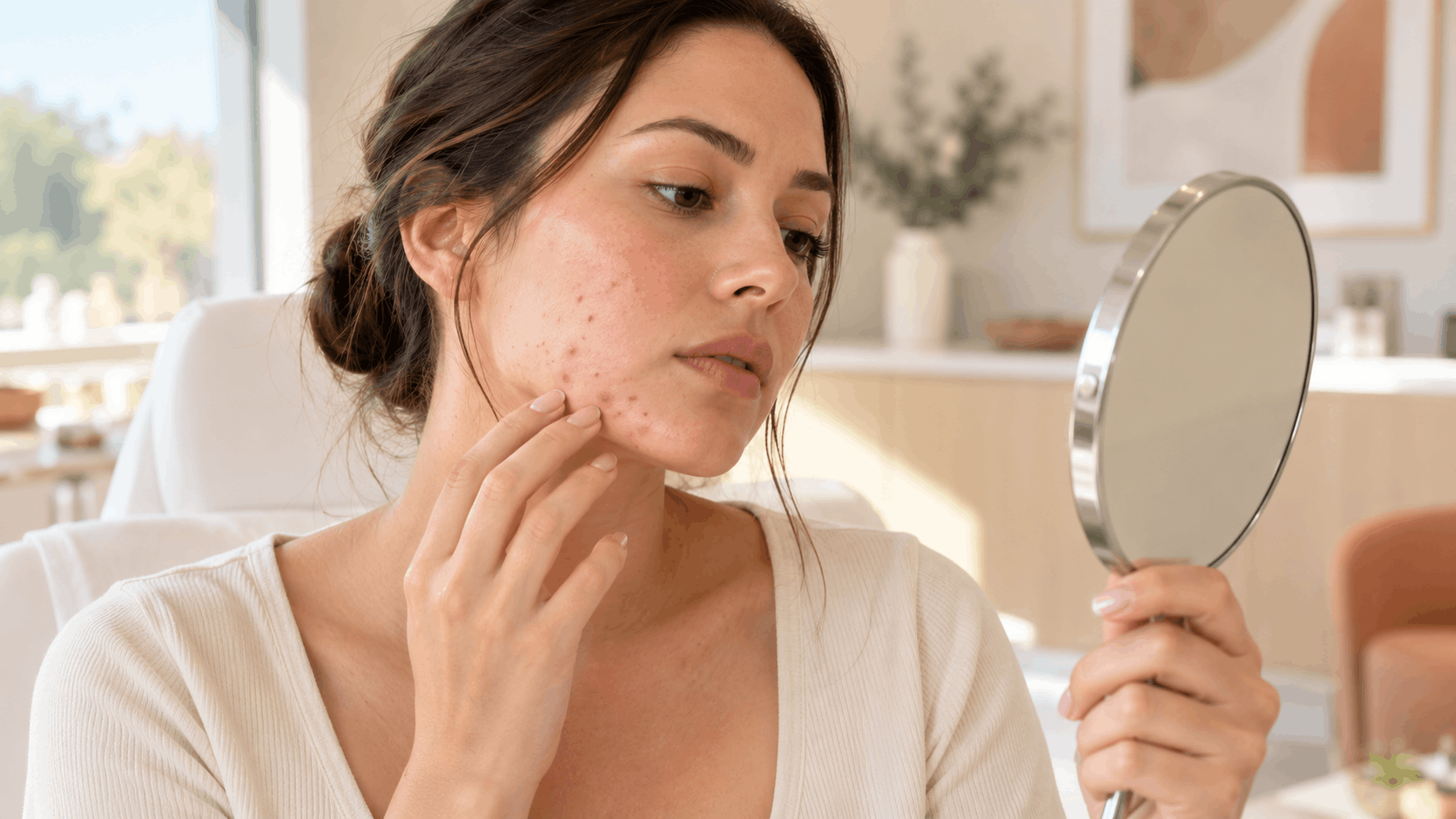
Dark spots, uneven skin tone, and facial discoloration are among the most common skin concerns people seek treatment for. However, one of the biggest challenges is determining what’s actually causing the pigmentation in the first place.
Many people assume all brown spots are caused by sun exposure, but that’s not always the case. Conditions like melasma and sun damage can appear similar on the surface, yet they develop for very different reasons and often require different treatment approaches.
Understanding the difference between melasma vs sun damage is essential if you want long-lasting results. Treating the symptoms without addressing the underlying cause can lead to frustration, recurring pigmentation, and wasted time.
This guide explains how melasma and sun damage differ, why accurate diagnosis matters, and which treatments are most effective for targeting the root cause of each condition.
Jump to:
- TLDR – Quick Guide
- Detailed Breakdown
- Why Melasma Comes Back So Easily
- Why Prevention Matters as Much as Treatment
- Chemical Peels for Melasma
- Why VI Peel Precision Plus Is Often Used for Pigmentation
- Prescription-Strength and Professional Skincare
- Sunscreen Is Non-Negotiable
- Heat and Melasma Recurrence
- Laser Treatments for Melasma
- Microneedling and Skin Barrier Support
- Why Maintenance Treatments Matter
- Common Mistakes That Make Melasma Worse
- What Actually Helps Prevent Melasma Recurrence
- When to Consider Professional Help
- Why Personalized Treatment Matters
- Key Takeaways
- FAQs
TLDR – Quick Guide
- Melasma and sun damage both cause pigmentation but develop for different reasons.
- Melasma is often triggered by hormones, genetics, and UV exposure.
- Sun damage results primarily from cumulative UV exposure over time.
- Treatment success depends on identifying the underlying cause of pigmentation.
- Melasma often requires ongoing maintenance and specialized pigment treatments.
- Sun damage may respond well to laser treatments, peels, and targeted rejuvenation procedures.
- Professional evaluation can determine whether you’re dealing with melasma or sun damage and age spots.
Detailed Breakdown
What Is Melasma?
Melasma is a chronic pigmentation disorder that causes patches of brown, gray-brown, or tan discoloration on the skin.
It most commonly appears on:
- Cheeks
- Forehead
- Upper lip
- Chin
- Nose
Unlike typical sun spots, melasma often develops due to a combination of factors, including:
- Hormonal changes
- Genetics
- UV exposure
- Heat exposure
- Certain medications
Melasma is particularly common among women and often appears during pregnancy, while taking hormonal contraceptives, or during periods of hormonal fluctuation.
Because melasma develops deeper within the skin, treatment can be more complex than treating standard sun damage.
What Is Sun Damage?
Sun damage occurs when years of ultraviolet (UV) exposure trigger changes in the skin.
Common signs include:
- Age spots
- Brown spots
- Freckles
- Uneven pigmentation
- Fine lines
- Texture irregularities
Unlike melasma, sun damage is primarily caused by cumulative exposure to:
- UV rays
- Tanning beds
- Outdoor activities without sun protection
Many patients seeking treatment for melasma vs sun damage are surprised to learn that the two conditions can sometimes coexist.
This is why proper evaluation is essential before selecting a treatment plan.
How to Tell the Difference Between Melasma and Sun Damage
Although both conditions cause discoloration, there are several key differences.
Melasma Characteristics
Melasma often appears:
- Symmetrically on both sides of the face
- As larger patches rather than individual spots
- On the forehead, cheeks, and upper lip
- During hormonal changes
The pigmentation tends to have softer, less defined borders.
Sun Damage Characteristics
Sun damage often appears:
- As isolated spots
- In areas with frequent sun exposure
- On the face, chest, shoulders, and hands
- With more defined edges
Age spots and sun spots typically develop gradually over many years.
Why Correct Diagnosis Matters
One of the biggest mistakes in pigmentation treatment is assuming all dark spots should be treated the same way.
When comparing melasma vs sun damage, the underlying cause significantly influences treatment success.
For example:
- Some aggressive laser treatments can worsen melasma.
- Certain treatments work exceptionally well for sun damage but provide limited improvement for hormone-driven pigmentation.
- Ongoing maintenance may be necessary for melasma even after successful treatment.
Accurate diagnosis allows providers to develop a customized treatment strategy that targets the root cause rather than simply masking symptoms.
Treatments for Melasma
Because melasma is often influenced by internal factors, treatment usually requires a multi-faceted approach.
Full Melanage
One of the most effective professional options for stubborn pigmentation is Full Melanage.
This treatment is designed to:
- Reduce pigment production
- Improve discoloration
- Address deeper pigmentation concerns
- Support long-term pigment management
Many patients with melasma benefit from a customized treatment plan that incorporates Full Melanage alongside proper skincare and sun protection.
VI Peel Precision Plus
The VI Peel Precision Plus is another popular treatment option for pigmentation concerns.
Benefits may include:
- Improved skin tone
- Reduced discoloration
- Enhanced skin brightness
- Support for pigment correction
Chemical peels can help improve overall skin clarity while addressing visible pigmentation irregularities.
Treatments for Sun Damage
Sun damage often responds well to targeted rejuvenation procedures that remove or reduce excess pigment.
Limelight IPL Services
Limelight Services use intense pulsed light technology to target visible pigmentation.
This treatment may help improve:
- Age spots
- Sun spots
- Uneven pigmentation
- Redness
Limelight is commonly used for patients whose discoloration is primarily related to sun exposure.
Pico Laser
The Pico Laser is another advanced treatment option for pigmentation concerns.
Benefits may include:
- Targeting unwanted pigment
- Supporting skin rejuvenation
- Improving overall skin clarity
- Treating various pigmentation conditions
Because laser selection is critical when treating pigmentation, professional evaluation is important before proceeding.
What If You Have Both Melasma and Sun Damage?
This is more common than many people realize.
Years of UV exposure can contribute to both:
- Existing melasma
- Traditional sun damage
In these situations, treatment often requires a combination approach.
Patients may benefit from:
- Pigment suppression therapies
- Professional peels
- Laser treatments
- Medical-grade skincare
- Consistent sun protection
A personalized plan allows providers to address each source of pigmentation appropriately.
The Role of Hyperpigmentation Treatments
Many pigmentation concerns fall under the broader category of hyperpigmentation.
Common causes include:
- Acne scars
- Hormonal changes
- Sun exposure
- Inflammation
- Skin injuries
Patients exploring treatment options can learn more about solutions for uneven skin tone and hyperpigmentation.
Why Sunscreen Is Essential for Both Conditions
Regardless of whether you have melasma or sun damage, daily sun protection is one of the most important steps in preventing recurrence.
Consistent sunscreen use helps:
- Protect treatment results
- Reduce future pigmentation
- Minimize UV-induced inflammation
- Support healthier skin long term
Even the most advanced treatment plan can be compromised without proper UV protection.
Key Takeaways
- Understanding melasma vs sun damage is essential because the two conditions have different underlying causes.
- Melasma is often driven by hormones, genetics, and UV exposure, while sun damage results primarily from cumulative sun exposure.
- Proper diagnosis is critical because treatments that work for sun damage may not be ideal for melasma.
- Treatments such as Full Melanage and VI Peel Precision Plus are commonly used to address melasma and stubborn pigmentation concerns.
- Limelight IPL and Pico Laser treatments can help improve visible sun damage, age spots, and uneven pigmentation.
- Many patients experience both melasma and sun damage, requiring a customized treatment plan.
- Consistent sun protection remains one of the most important strategies for maintaining long-term results and preventing future pigmentation issues.
FAQs
1. What is the main difference between melasma and sun damage?
Melasma is a chronic pigmentation condition often influenced by hormones, genetics, and UV exposure. Sun damage develops primarily from cumulative exposure to ultraviolet radiation over time. Although they may look similar, their underlying causes are different.
2. Can melasma be mistaken for sun damage?
Yes. Both conditions can cause brown patches and uneven pigmentation, making them difficult to distinguish without professional evaluation. Proper diagnosis is important because treatment approaches may differ significantly.
3. Is melasma harder to treat than sun damage?
In many cases, yes. Melasma tends to be more complex because it is often influenced by internal factors such as hormones and genetics. Successful treatment typically requires a long-term management strategy.
4. What treatments work best for sun damage?
Treatments such as Limelight IPL, Pico Laser, chemical peels, and targeted pigmentation therapies are commonly used to address sun damage. The best treatment depends on the severity and type of pigmentation present. A consultation can help determine the most effective option.
5. Can pigmentation return after treatment?
Yes. Both melasma and sun damage can recur if the underlying triggers are not addressed. Consistent sunscreen use and proper skincare are essential for maintaining treatment results and preventing future discoloration.