Melasma is one of the most frustrating skin concerns because it often improves with treatment, then slowly returns. Dark patches may fade after peels, skincare, or laser treatments, but without the right maintenance plan, discoloration can come back—especially after sun exposure, heat, hormonal changes, or inconsistent skincare.
That’s why the best melasma treatment options are not just about fading existing pigmentation. They also focus on reducing triggers, calming pigment-producing activity, protecting the skin barrier, and building a long-term plan that helps prevent recurrence.
If you have tried brightening products or treatments before and felt like your melasma kept returning, you are not alone. Melasma is chronic for many people, which means it often requires ongoing management rather than a one-time fix.
The key is choosing treatments that address both the visible discoloration and the underlying factors that make melasma flare.
Jump to:
TLDR – Quick Guide
- Melasma often returns without consistent maintenance
- The best treatments combine professional care and daily prevention
- Sunscreen is essential for long-term control
- Chemical peels and targeted skincare can help fade discoloration
- Personalized treatment plans reduce the risk of recurrence
Detailed Breakdown
Why Melasma Comes Back So Easily
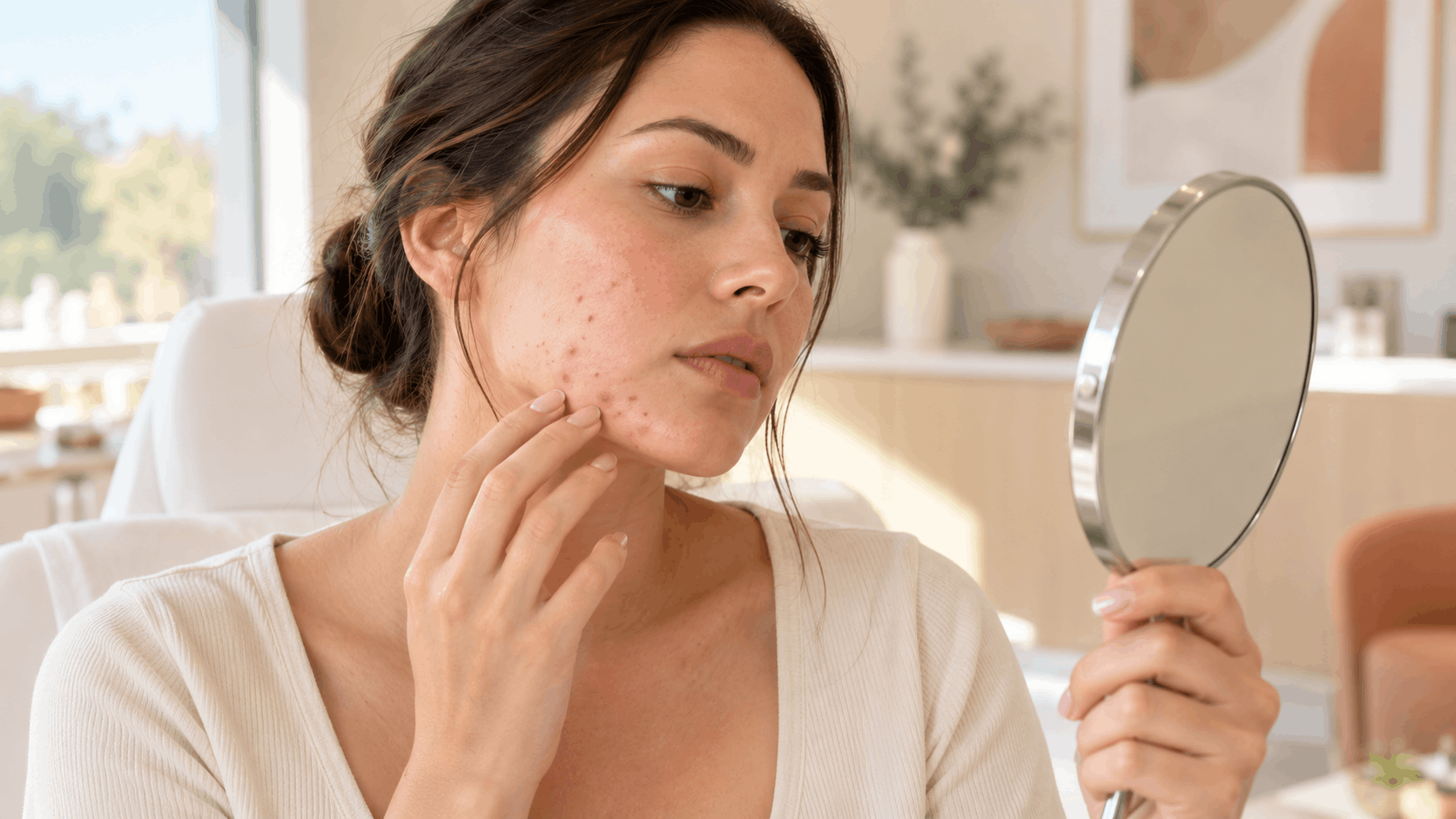
Melasma develops when pigment-producing cells become overactive. These cells create excess melanin, which leads to brown, gray-brown, or patchy discoloration on the face.
Common areas include:
- Cheeks
- Forehead
- Upper lip
- Chin
- Nose bridge
The challenge is that melasma is highly reactive. Even after visible pigment fades, the skin may still be prone to producing excess discoloration when triggered again.
Common melasma triggers include:
- Sun exposure
- Heat
- Hormonal changes
- Pregnancy-related shifts
- Certain medications
- Skin inflammation
- Irritating products
- Inconsistent sunscreen use
This is why recurrence is so common. If the triggers are not managed, melasma may gradually return even after a successful treatment series.
Why Prevention Matters as Much as Treatment
Many people focus only on removing pigment that is already visible. While fading dark patches is important, prevention is what helps results last longer.
Melasma management works best when it includes two goals:
- Correct existing discoloration
- Reduce future pigment stimulation
This means your plan should not stop once the skin looks clearer. In many cases, the maintenance phase is what determines whether results last.
A strong prevention plan may include daily sunscreen, pigment-regulating skincare, periodic professional treatments, and avoiding unnecessary irritation. For patients dealing with recurring discoloration, exploring targeted melasma treatment options can help create a more strategic approach.
Chemical Peels for Melasma
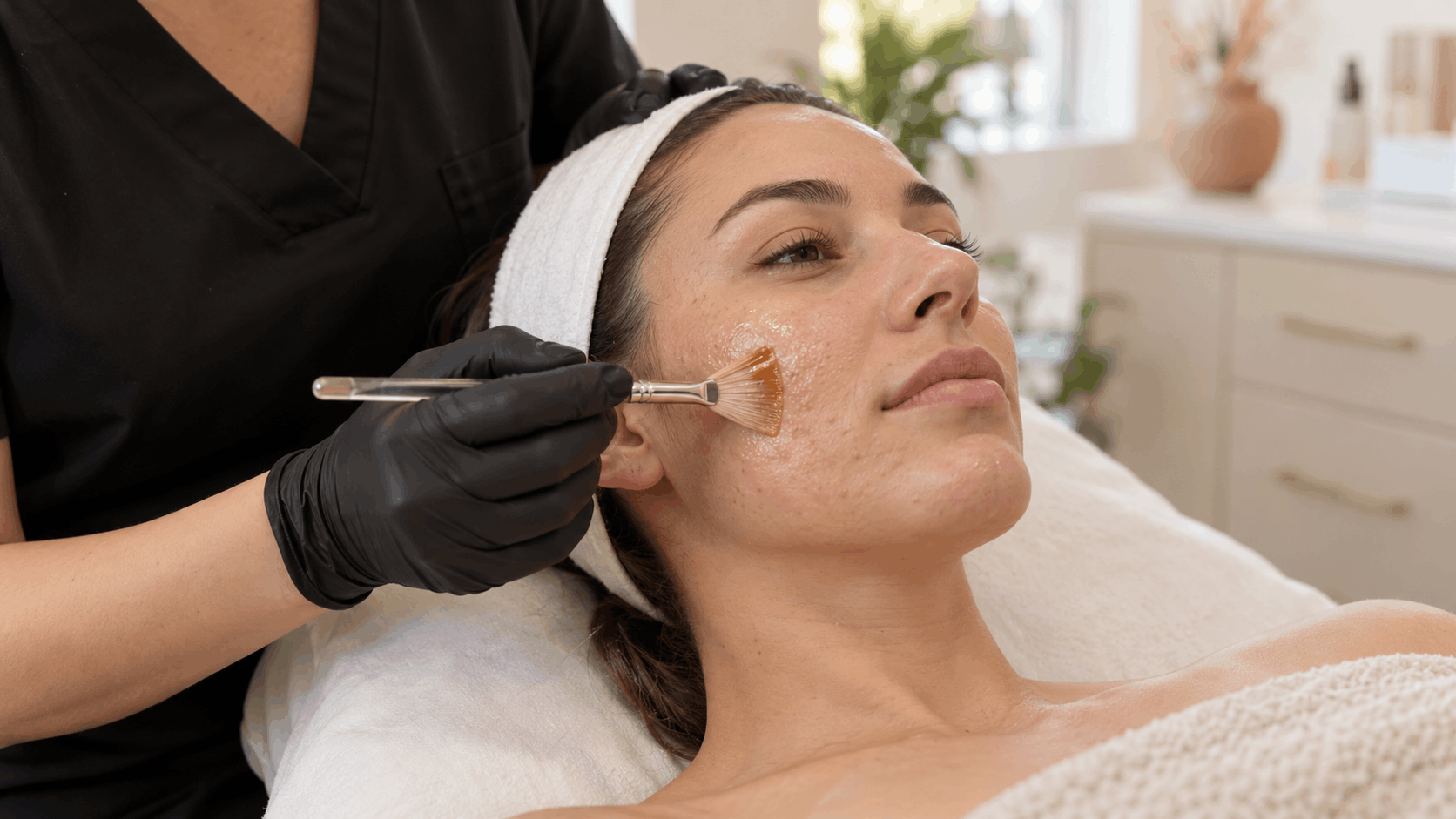
Chemical peels are commonly used to improve uneven pigmentation because they help exfoliate the skin and support a brighter, more even-looking complexion. They can be especially useful when melasma is located closer to the surface of the skin.
Peels work by removing damaged outer layers and encouraging skin renewal. This can help fade visible discoloration while improving texture and clarity.
However, melasma-prone skin must be treated carefully. Aggressive treatments can sometimes trigger inflammation, which may worsen pigmentation instead of improving it.
That is why peel selection matters. A provider should choose a peel based on your skin tone, sensitivity, pigment depth, and history of recurrence.
Why VI Peel Precision Plus Is Often Used for Pigmentation
Some peels are designed specifically for stubborn discoloration. VI Peel Precision Plus for discoloration is one option that may be recommended for pigment concerns such as melasma, sun damage, and uneven tone.
This type of peel is often chosen because it targets discoloration while encouraging skin renewal. It can be part of a larger plan for patients who need more than basic exfoliation or over-the-counter brightening products.
The important thing to understand is that a peel is not a permanent shield against melasma returning. Results depend heavily on aftercare, sun protection, and maintenance.
For best outcomes, peels should be paired with a prevention-focused routine rather than used as a standalone solution.
Prescription-Strength and Professional Skincare
Topical skincare plays a major role in melasma management. Professional-grade products may help regulate pigment, brighten discoloration, support the skin barrier, and reduce inflammation.
Common skincare ingredients used in melasma routines may include:
- Vitamin C
- Retinoids
- Azelaic acid
- Kojic acid
- Tranexamic acid
- Niacinamide
- Pigment-regulating brighteners
- Barrier-supporting moisturizers
The right formula depends on your skin’s tolerance and the severity of your discoloration. More is not always better, especially for melasma-prone skin.
Overusing strong products can irritate the skin and create inflammation. Since inflammation may trigger more pigment, a balanced routine is essential.
Sunscreen Is Non-Negotiable
No melasma treatment plan is complete without daily sun protection. Even the best professional treatments can be undermined by unprotected UV exposure.
For melasma, sunscreen should be used every day, not just when spending time outdoors. Incidental exposure from driving, walking outside, or sitting near windows can contribute to recurrence.
A strong sun protection routine may include:
- Broad-spectrum sunscreen
- Reapplication throughout the day
- Hats or visors
- Sunglasses
- Shade when possible
- Avoiding peak sun exposure
Tinted mineral sunscreen may be especially helpful for some patients because visible light can also contribute to pigmentation. Consistency is what matters most.
Skipping sunscreen for even a few days can make melasma harder to control, especially after treatment.
Heat and Melasma Recurrence
Sun exposure is not the only trigger. Heat can also contribute to melasma flare-ups.
This means melasma may worsen after:
- Hot yoga
- Saunas
- Steam rooms
- Intense outdoor workouts
- Prolonged heat exposure
- Cooking over high heat
- Hot climates
This does not mean you have to avoid all heat forever. But if your melasma is easily triggered, managing heat exposure can help reduce recurrence.
Cooling strategies may help, such as exercising in cooler environments, using hats outdoors, avoiding overheating when possible, and calming the skin after heat exposure.
Laser Treatments for Melasma
Laser treatments can be helpful for certain pigmentation concerns, but melasma requires caution. Because melasma is reactive, overly aggressive laser settings may create inflammation and worsen discoloration.
Some patients may benefit from gentle, carefully selected laser or light-based treatments. Others may respond better to peels, topical skincare, and maintenance instead.
The best approach depends on the depth of pigment, skin tone, sensitivity, and prior treatment history. A consultation is important because the wrong treatment can make melasma more difficult to manage.
For many patients, lasers should not be viewed as a quick fix. They work best when used strategically as part of a broader pigment-control plan.
Microneedling and Skin Barrier Support
Microneedling may be considered for certain skin concerns, but when melasma is present, the skin’s response must be carefully evaluated. Any treatment that creates inflammation can potentially trigger pigment if the skin is not properly prepared or protected.
For some patients, the priority should be restoring the skin barrier before introducing more active treatments. A compromised barrier can make the skin more reactive and more prone to discoloration.
Signs of a weakened barrier may include:
- Stinging with products
- Redness
- Dryness
- Flaking
- Sensitivity
- Burning after applying skincare
If these symptoms are present, calming and repairing the skin may need to come before pigment correction. Healthy skin usually responds better to melasma treatments.
Why Maintenance Treatments Matter
Melasma often needs long-term maintenance. Once discoloration improves, many people stop treatments and skincare too quickly.
This can lead to recurrence because the skin may still be pigment-prone even when it looks clearer.
Maintenance may include:
- Daily pigment-supportive skincare
- Strict sunscreen use
- Seasonal peels
- Periodic provider check-ins
- Adjustments during hormonal changes
- Avoiding known triggers
Think of melasma like a condition that needs ongoing control. The goal is not only to fade pigment but to keep the skin stable over time.
Common Mistakes That Make Melasma Worse
Melasma can be stubborn, and certain habits may make recurrence more likely.
Common mistakes include:
- Skipping sunscreen
- Using harsh scrubs
- Over-exfoliating
- Trying too many brightening products at once
- Choosing aggressive treatments too soon
- Ignoring heat triggers
- Stopping maintenance after pigment fades
- Picking at irritated skin
These habits can create inflammation or leave the skin more vulnerable to discoloration. With melasma, gentle consistency is usually better than aggressive correction.
The best results often come from patience, professional guidance, and a plan that respects how reactive the skin can be.
What Actually Helps Prevent Melasma Recurrence
The most effective melasma treatment options usually combine correction and prevention.
A strong recurrence-prevention plan may include:
- Daily broad-spectrum sunscreen
- Pigment-regulating skincare
- Gentle professional treatments
- Barrier repair
- Heat management
- Consistent maintenance
- Periodic treatment adjustments
No single treatment can guarantee that melasma will never return. But a well-designed plan can help reduce the frequency and intensity of flare-ups.
The goal is long-term control. When treatments are customized and maintained consistently, many patients can achieve a clearer, more even-looking complexion with fewer setbacks.
When to Consider Professional Help
If melasma keeps returning despite at-home products, it may be time for professional guidance. This is especially true if discoloration is spreading, darkening, or becoming more difficult to fade.
A provider can evaluate your skin, review your triggers, and recommend treatments that match your skin tone and sensitivity. They can also help prevent the common mistake of overtreating melasma, which may make pigmentation worse.
Patients who are ready for a more personalized approach can schedule a consultation to discuss which melasma treatment options may be appropriate for their skin.
Why Personalized Treatment Matters
Melasma does not behave the same way for everyone. Some people flare mainly from sun exposure, while others are more affected by hormones, heat, irritation, or a combination of triggers.
This is why a one-size-fits-all plan rarely works. The best treatment strategy should consider your skin type, lifestyle, history of recurrence, and tolerance for active ingredients.
At Genesis MedSpa, melasma care is approached with the understanding that long-term results depend on both treatment and prevention. A personalized plan can help fade existing discoloration while supporting a maintenance routine that helps reduce future recurrence.
Key Takeaways
- Melasma treatment should focus on both fading and prevention
- Sunscreen and heat management are essential
- Peels and professional skincare can support clearer skin
- Aggressive treatments may worsen pigment if not customized
- Long-term maintenance helps reduce recurrence
FAQs
1. What melasma treatment options help prevent recurrence?
The best melasma treatment options usually combine professional treatments, daily sunscreen, pigment-regulating skincare, and long-term maintenance. Chemical peels, targeted brightening products, and trigger management may all help support clearer skin. Preventing recurrence requires consistency even after discoloration fades.
2. Can melasma come back after treatment?
Yes, melasma can come back after treatment because the skin may remain prone to pigment overproduction. Sun exposure, heat, hormones, and irritation can trigger recurrence. This is why maintenance skincare and daily sun protection are so important.
3. Are chemical peels good for melasma?
Chemical peels can help improve melasma when they are carefully selected for your skin type and pigment concerns. They may fade discoloration by encouraging skin renewal and improving uneven tone. However, overly aggressive peels can irritate the skin and potentially worsen pigmentation.
4. Is sunscreen really necessary for melasma?
Yes, sunscreen is one of the most important parts of any melasma plan. Without daily sun protection, discoloration is more likely to return even after professional treatment. Reapplying sunscreen and using hats or shade can help support longer-lasting results.
5. Why does my melasma keep returning?
Melasma often returns because the underlying triggers are still active. Sun exposure, heat, hormones, inflammation, and inconsistent skincare can all cause flare-ups. A personalized plan can help identify your triggers and reduce the risk of recurrence.