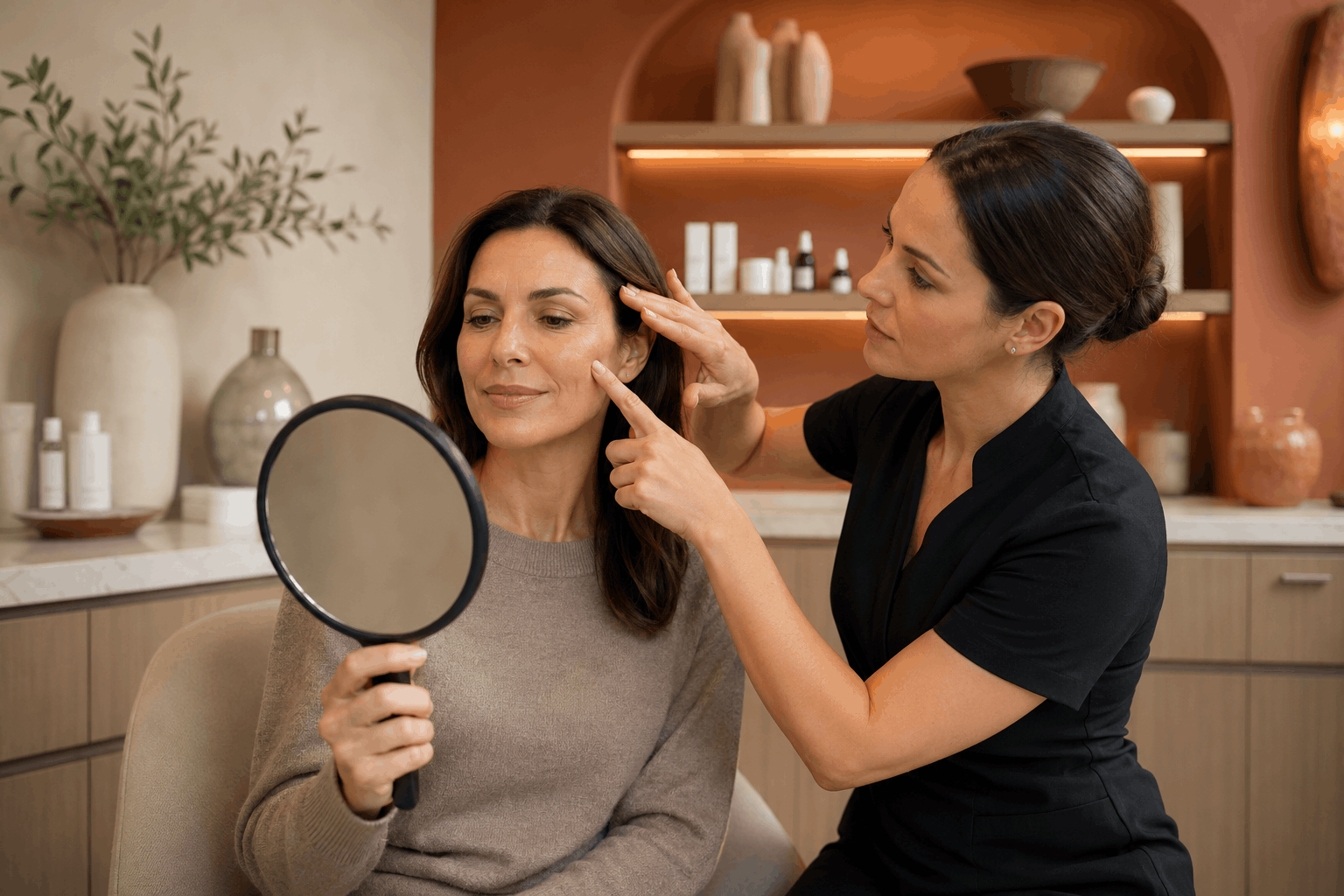
Laser hair removal is one of those treatments that sounds too good to be true—until you actually try it. But let’s be real: results don’t happen overnight. If you’re wondering what’s normal for laser hair removal after 1 session, you’re not alone.
Many first-time patients walk out of their appointment expecting baby-smooth skin, zero hair regrowth, and permanent results after round one. The reality? The first session is just the beginning—but it does start a powerful transformation.
In this blog, we’ll break down exactly what to expect after your first treatment, what’s actually happening under the skin, and why patience pays off in the long game of laser hair removal.
Jump to:
TLDR – Quick Guide
- You won’t be hair-free after one session. But that’s not a bad sign—it’s how the process works.
- Most people see slower regrowth and thinner hairs about 10–14 days post-treatment.
- Shed phase is key—hair starts to fall out on its own, not immediately.
- Laser only targets active follicles, and not all follicles are active at once.
- Real results come after multiple sessions, spaced 4–6 weeks apart.
Detailed Breakdown
How Laser Hair Removal Actually Works
Laser hair removal targets pigment in the hair follicle using pulses of light. That light energy converts to heat, which damages the follicle’s ability to regrow hair. But here’s the catch: laser only works on hairs in the anagen (active growth) phase—and not all your hairs are in that phase at the same time.
That’s why multiple sessions are needed. The average treatment plan includes 6–8 sessions, with maintenance once or twice a year.
So what happens after just one session?
What to Expect Right After Your First Session
1. No Immediate Bald Spots
You won’t walk out with a smooth, hair-free surface. That’s normal. The hair follicles were heated—but the hair still needs time to work its way out.
2. Mild Redness or Swelling
You may notice temporary redness, puffiness, or warmth—especially in sensitive areas. This usually fades within a few hours.
3. Shedding Begins (Day 7–14)
Around a week later, you’ll start to notice hair shedding in the treated area. These aren’t “new” hairs—they’re the ones that were treated, being pushed out by the skin. It can look like patchy regrowth, but it’s actually a good sign.
4. Hair Grows Back—But Softer
The hair that does return tends to be finer, lighter, and slower-growing than before. It may also appear more sparse or patchy compared to untreated areas.
5. Some Areas May Look Uneven
Remember, not every hair was in the right growth phase to be affected by the laser—so results may look uneven or inconsistent after one session. That’s expected.
What Doesn’t Happen (And Why That’s OK)
- You won’t see 100% hair removal.
- You won’t feel silky smooth.
- You won’t stop shaving forever—yet.
The first session is like turning the ignition on a process. It sets the foundation, but real progress requires follow-through.
That’s why top providers recommend a full series of treatments (usually 6 to 8), spaced 4–6 weeks apart, depending on the area and your hair type. Each session targets a different set of active follicles, gradually reducing total hair count over time.
Why You Should Stick With It
Laser hair removal is a cumulative process. The best results show up for people who:
- Complete the full recommended series
- Follow pre- and post-care instructions
- Don’t skip sessions or extend timelines too far
- Work with experienced providers using the right laser for their skin type
Quitting after one session is like going to the gym once and wondering why you don’t have abs yet. Patience = smoother results.
At Genesis MedSpa, patients are educated on what to expect at every stage of the process—so they stay motivated, committed, and satisfied with their long-term outcomes.
How to Maximize Your First Session
Here are a few smart ways to make your first laser hair removal session work even harder:
- Shave, don’t wax before treatment (waxing removes the root—lasers need it there).
- Avoid sun exposure and tanning (lasers target pigment—less contrast = less effect).
- Follow aftercare rules (no hot baths, saunas, or aggressive exfoliation for 24–48 hours).
- Don’t pluck shedding hairs—let them fall naturally.
You’ll get a treatment guide from your provider, but these basics help prevent irritation and improve laser efficiency.
Key Takeaways
- Bad filler happens—but it’s not permanent, and in most cases, it’s fully correctable.
- Common signs include overfilling, asymmetry, migration, or visible irregularities.
- The best solution is dissolving with hyaluronidase followed by thoughtful re-treatment.
- Prevention starts with choosing the right provider: someone with training, ethics, and an eye for balance.
- Clinics like Genesis MedSpa specialize in both prevention and correction, helping clients avoid mistakes and love their results the first time.
FAQs
1. How do I know if I have bad filler?
If your results look overdone, uneven, or feel firm/lumpy, you may have misplaced or excessive filler. Migration, swelling that doesn’t resolve, or distortion of facial movement are also common red flags.
2. Can bad filler be removed completely?
Yes—if it’s a hyaluronic acid-based filler, it can typically be dissolved with hyaluronidase. Full correction may take more than one session depending on the amount and location.
3. Does dissolving filler hurt?
It’s mildly uncomfortable, similar to the feeling of filler injection. The enzyme works quickly, and any swelling or bruising usually subsides within a few days.
4. How long should I wait before correcting bad filler?
You can start the correction process as soon as it’s clear that results are unsatisfactory or filler has migrated. A professional consult will help determine the right timing.
5. Will I look worse after dissolving filler?
You may look different—especially if you’ve been overfilled for a while—but a skilled provider can restore natural volume gradually, leading to a more balanced and refreshed appearance over time.