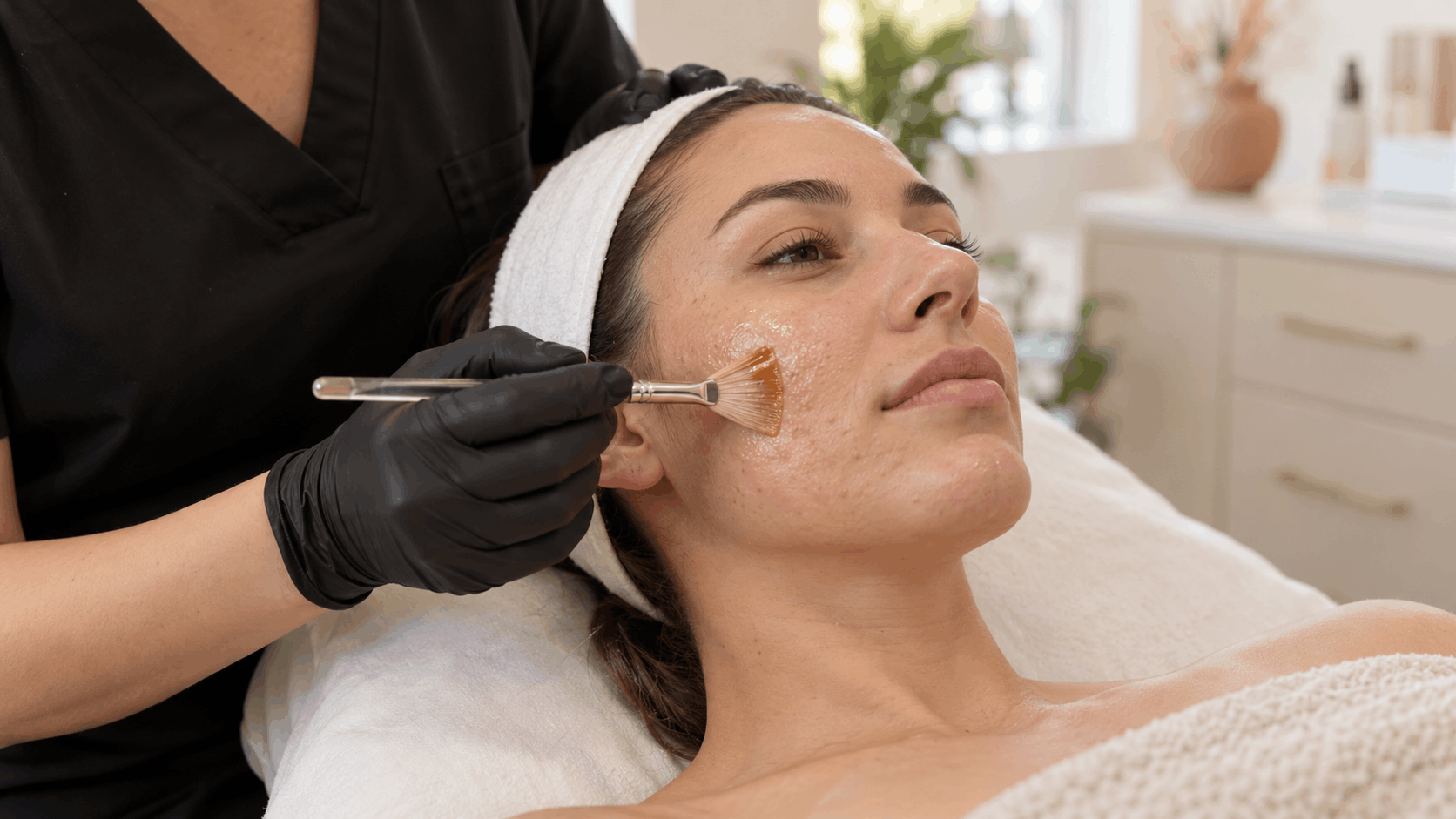
Laser treatments are everywhere—from skin rejuvenation to acne scars to pigmentation correction. But before booking your first session, one question matters more than anything else: is laser treatment safe for skin?
The short answer is yes—when done correctly. The longer answer is that safety depends heavily on your skin type, the type of laser used, and the expertise of your provider.
What works perfectly for one person can cause irritation, discoloration, or even damage for another if not properly matched. That’s why understanding how laser treatments interact with different skin types is essential before moving forward.
This guide breaks down what makes laser treatments safe, what risks to watch for, and how to ensure you get results without unwanted side effects.
Jump to:
TLDR – Quick Guide
- Laser treatment is generally safe when tailored to your skin type
- Different lasers are designed for different skin tones and concerns
- Incorrect settings or inexperienced providers increase risk
- Darker skin tones require specialized approaches
- A proper consultation is essential for safe, effective results
Detailed Breakdown
How Laser Treatments Work
Laser treatments use focused light energy to target specific skin concerns. Depending on the type of laser, this energy can:
- Stimulate collagen production
- Break down pigmentation
- Target acne-causing bacteria
- Resurface the skin
The key is precision. The laser must target the intended issue without damaging surrounding tissue. When done correctly, this leads to smoother, clearer, and more even-looking skin.
Is Laser Treatment Safe for Skin Types?
Lighter Skin Tones (Fitzpatrick I–III)
Laser treatments are generally safest and most straightforward for lighter skin tones.
Why:
- Lower risk of pigmentation changes
- Wider range of laser options available
- Faster recovery times
Most traditional laser technologies were originally designed with these skin types in mind.
Medium to Dark Skin Tones (Fitzpatrick IV–VI)
Laser treatments can still be safe—but require more precision and expertise.
Risks include:
- Hyperpigmentation (darkening)
- Hypopigmentation (lightening)
- Uneven skin tone
Specialized lasers and adjusted settings are essential to minimize these risks. This is why choosing the right provider becomes even more important.
What Makes Laser Treatment Safe (or Unsafe)
1. The Type of Laser Used
Not all lasers are created equal. Some are aggressive and better suited for resurfacing, while others are gentler and designed for specific concerns.
Choosing the wrong laser for your skin type is one of the biggest causes of complications.
If you want to explore advanced aesthetic treatments designed for different skin types, you can review options here
2. Provider Experience and Technique
Even the safest technology can produce poor results in inexperienced hands.
A skilled provider will:
- Adjust settings based on your skin type
- Perform test spots if needed
- Customize your treatment plan
Working with experienced professionals like Genesis MedSpa helps ensure your treatment is both safe and effective.
3. Pre- and Post-Treatment Care
What you do before and after your session plays a major role in safety.
Important factors include:
- Avoiding sun exposure before treatment
- Following aftercare instructions carefully
- Using sunscreen consistently
Neglecting these steps increases the risk of complications.
4. Your Skin Condition and History
Your skin’s current condition also affects how it responds to laser treatment.
Factors like:
- Active acne
- Recent sun exposure
- Sensitivity or inflammation
…can influence whether treatment should be adjusted or postponed.
Common Risks and Side Effects
When performed correctly, side effects are usually mild and temporary. However, it’s important to know what to expect.
Common side effects:
- Redness and swelling
- Mild irritation
- Temporary sensitivity
Less common (but possible) risks:
- Burns or blistering
- Pigmentation changes
- Scarring
These risks are significantly reduced when treatment is properly tailored.
How to Know If Laser Treatment Is Right for You
Laser treatment can be a great option if you’re dealing with:
- Acne scars
- Sun damage
- Fine lines and wrinkles
- Uneven skin tone
However, it’s not always the best first step for everyone. A professional consultation helps determine whether laser treatment—or another option—is more appropriate for your goals.
How to Maximize Safety and Results
If you’re considering laser treatment, these steps can make a major difference:
- Choose a qualified, experienced provider
- Be honest about your skin history and concerns
- Follow all pre- and post-treatment instructions
- Avoid sun exposure and use SPF daily
- Start with conservative treatments if you’re unsure
Taking a careful, informed approach leads to better outcomes and fewer risks.
Key Takeaways
- Is laser treatment safe for skin? Yes—when properly customized to your skin type
- Skin tone plays a major role in determining the safest approach
- Provider expertise is one of the most important factors
- Proper preparation and aftercare reduce risks significantly
- Personalized treatment plans deliver the safest and most effective results
FAQs
1. Is laser treatment safe for all skin types?
Laser treatment can be safe for all skin types when the correct technology and settings are used. However, darker skin tones require more specialized approaches. A consultation is essential to determine the safest option.
2. What are the risks of laser treatments?
Common risks include redness, swelling, and temporary irritation. In rare cases, improper treatment can lead to burns or pigmentation changes. Choosing an experienced provider helps minimize these risks.
3. How do I know which laser is right for my skin?
The right laser depends on your skin type, tone, and specific concerns. A professional consultation will assess your needs and recommend the most suitable option. Avoid choosing treatments without expert guidance.
4. Can laser treatments cause permanent damage?
Permanent damage is rare but possible if treatments are performed incorrectly. This is why proper technique and experience are critical. Following aftercare instructions also reduces risk.
5. How should I prepare for a laser treatment?
Preparation typically includes avoiding sun exposure and stopping certain skincare products. Your provider will give specific instructions based on your treatment. Proper preparation helps ensure safer and better results.