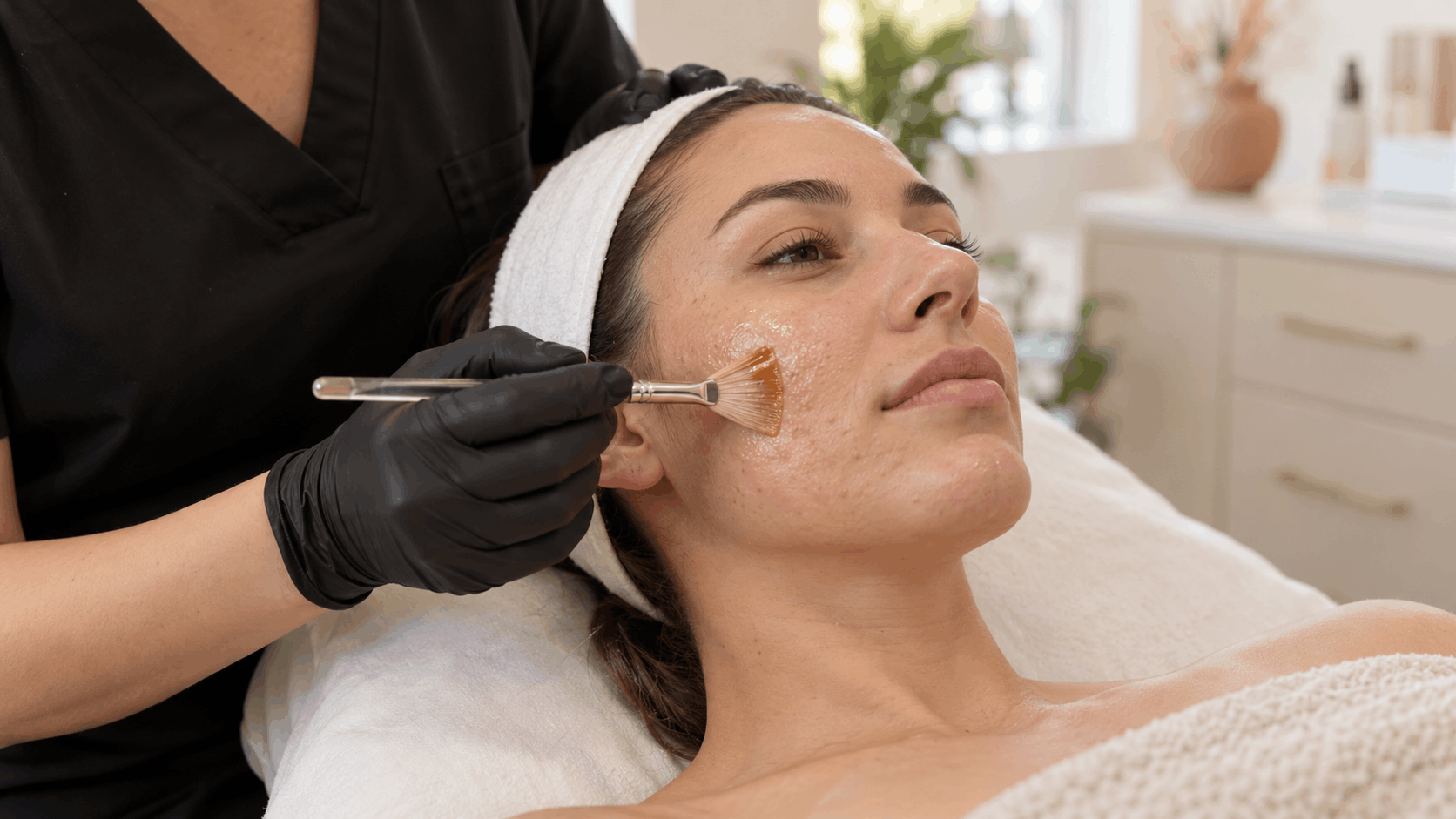
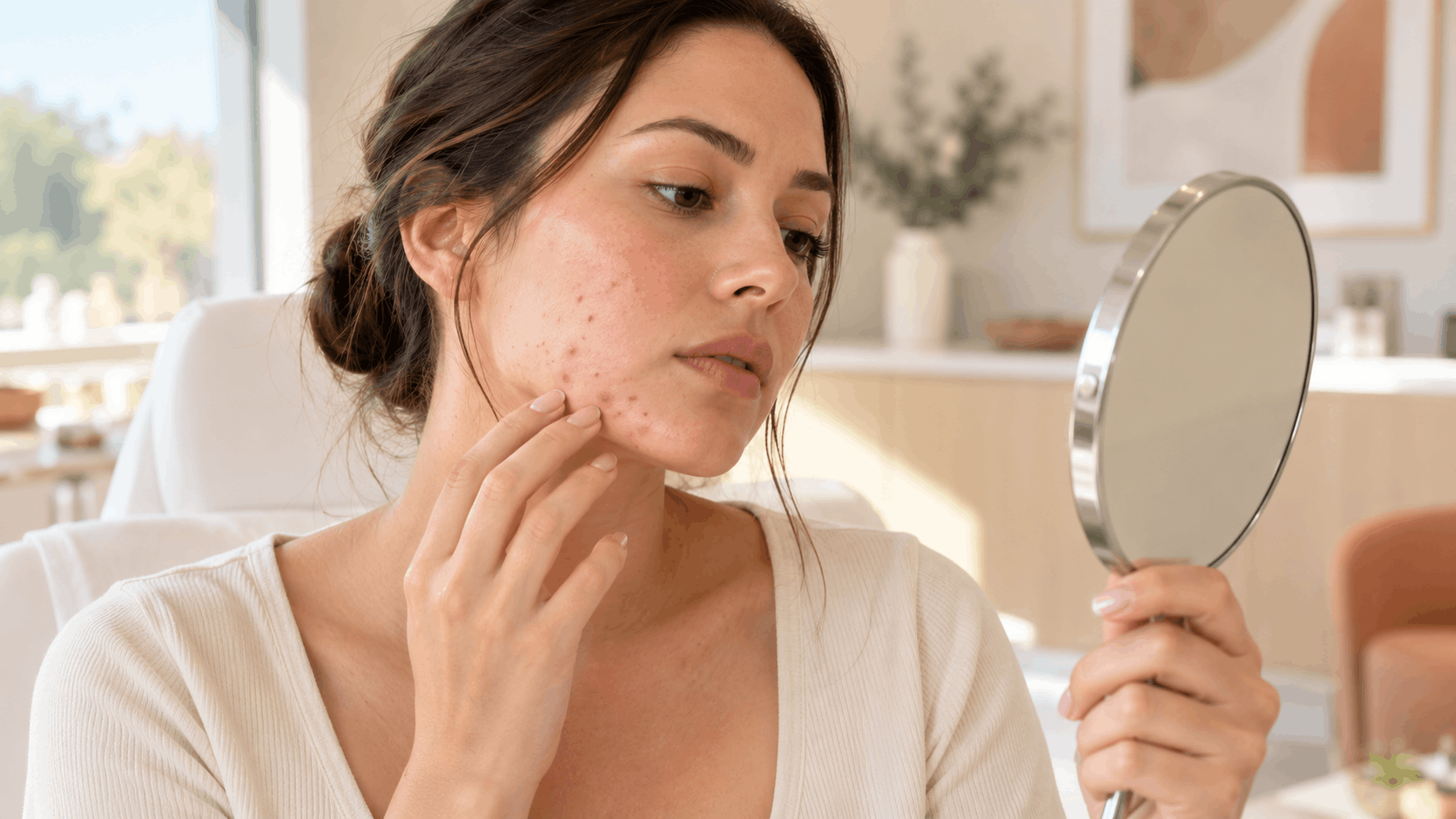
CO2 laser resurfacing is one of the most effective treatments available for improving skin texture, reducing wrinkles, addressing scars, and correcting sun damage. While the results can be impressive, understanding the recovery process beforehand is essential for setting realistic expectations and planning your downtime.
One of the most common questions patients ask is how long recovery takes and what they should expect each day after treatment. The answer varies depending on the intensity of the treatment, your skin type, and how well you follow aftercare instructions.
If you’re researching a CO2 laser recovery timeline, this guide walks through what typically happens from day one through complete healing, including common side effects, recovery milestones, and when you can expect to see results.
Jump to:
- TLDR – Quick Guide
- Detailed Breakdown
- Why Melasma Comes Back So Easily
- Why Prevention Matters as Much as Treatment
- Chemical Peels for Melasma
- Why VI Peel Precision Plus Is Often Used for Pigmentation
- Prescription-Strength and Professional Skincare
- Sunscreen Is Non-Negotiable
- Heat and Melasma Recurrence
- Laser Treatments for Melasma
- Microneedling and Skin Barrier Support
- Why Maintenance Treatments Matter
- Common Mistakes That Make Melasma Worse
- What Actually Helps Prevent Melasma Recurrence
- When to Consider Professional Help
- Why Personalized Treatment Matters
- Key Takeaways
- FAQs
TLDR – Quick Guide
- CO2 laser resurfacing typically involves several stages of healing.
- Redness, swelling, and skin peeling are normal during the first week.
- Most patients experience significant healing within 7–14 days.
- Residual redness may persist for several weeks as the skin continues to recover.
- Proper aftercare is essential for optimal healing and results.
- CO2 laser treatments can improve wrinkles, scars, texture concerns, and sun damage.
- Learn more about professional CO2 Laser treatments.
Detailed Breakdown
What Is CO2 Laser Resurfacing?
CO2 laser resurfacing is an advanced skin rejuvenation treatment that removes damaged outer layers of skin while stimulating collagen production beneath the surface.
The treatment is commonly used to improve:
- Fine lines
- Wrinkles
- Acne scars
- Surgical scars
- Sun damage
- Uneven texture
- Age-related skin changes
By encouraging new collagen formation, CO2 laser treatments help create smoother, healthier-looking skin over time.
Why Recovery Matters
The effectiveness of CO2 laser resurfacing is closely tied to the skin’s healing response.
Unlike treatments with little to no downtime, CO2 lasers create controlled skin injury to trigger regeneration.
As a result, patients should expect a recovery period that includes:
- Redness
- Swelling
- Tightness
- Peeling
- Temporary sensitivity
Understanding the CO2 laser recovery timeline can help reduce anxiety and ensure you’re prepared for each stage of healing.
Day 1: Immediately After Treatment
The first day is often the most intense part of recovery.
Immediately following treatment, many patients experience:
- Redness
- Swelling
- Warmth
- Tightness
- Mild discomfort
The skin often resembles a moderate to severe sunburn.
Common sensations include:
- Heat
- Tingling
- Tightness
- Tenderness
Your provider will typically recommend specific skincare products and aftercare instructions to support healing.
Days 2–3: Peak Swelling and Redness
For many patients, swelling becomes most noticeable during the second and third days.
You may notice:
- Puffiness around the eyes
- Increased redness
- Skin sensitivity
- Tight or dry skin
This stage is completely normal and represents the body’s natural healing response.
Keeping the skin properly moisturized and protected is especially important during this period.
Days 4–7: Peeling and Skin Renewal
Around the fourth day, many patients begin to notice visible peeling or flaking.
During this stage:
- Dead skin begins shedding
- New skin starts emerging
- Redness remains present
- Skin texture gradually improves
It is important not to pick or manually remove peeling skin.
Allowing the skin to heal naturally helps reduce the risk of complications and supports better cosmetic results.
Week 2: Significant Healing
By the second week, many patients feel comfortable returning to most normal activities.
Common improvements include:
- Reduced swelling
- Less peeling
- Smoother skin texture
- Improved comfort
While the skin often appears dramatically better, healing continues beneath the surface.
Some redness may still be visible, particularly in individuals with fair or sensitive skin.
Weeks 3–6: Continued Improvement
As healing progresses, collagen production continues to increase.
Patients often notice:
- Brighter skin tone
- Smoother texture
- Reduced fine lines
- Improved skin quality
This is when many begin to appreciate the early benefits of treatment.
Patients seeking improvement in fine lines and wrinkles often notice gradual enhancements during this phase.
Months 2–6: Long-Term Results Develop
One of the biggest advantages of CO2 laser resurfacing is that results continue to improve over time.
As collagen remodeling occurs, patients may see ongoing improvement in:
- Skin firmness
- Texture
- Wrinkle reduction
- Scar appearance
- Pigmentation concerns
Many individuals experience their best results several months after treatment.
CO2 Laser for Scars and Skin Healing
CO2 laser resurfacing is frequently used to improve the appearance of scars.
Common concerns include:
- Acne scars
- Surgical scars
- Traumatic scars
- Textural irregularities
Patients interested in scar improvement can learn more about treatments for scars and healing.
Because scar remodeling takes time, patience is important when evaluating results.
CO2 Laser for Sun Damage and Age Spots
Years of UV exposure can contribute to:
- Pigmentation
- Age spots
- Uneven skin tone
- Texture changes
CO2 laser treatments can help improve many signs of sun damage and age spots by removing damaged skin layers and encouraging healthier skin regeneration.
Patients often notice both cosmetic and textural improvements following recovery.
How Laser Genesis May Complement Skin Rejuvenation
Some patients incorporate additional treatments into their long-term skin health plan.
For example, Laser Genesis is commonly used to address:
- Redness
- Mild textural concerns
- Skin rejuvenation
- Collagen stimulation
Because Laser Genesis involves minimal downtime, it may serve as a maintenance treatment following more intensive procedures.
Tips for a Smooth Recovery
Following aftercare instructions is one of the most important factors influencing recovery outcomes.
Helpful recommendations often include:
- Keeping skin moisturized
- Avoiding direct sun exposure
- Wearing sunscreen daily
- Avoiding picking or peeling skin
- Following provider instructions carefully
- Staying hydrated
Protecting newly healed skin is especially important during the first several weeks.
When Should You Contact Your Provider?
Most side effects are expected and temporary.
However, you should contact your provider if you experience:
- Severe pain
- Signs of infection
- Unusual swelling
- Persistent drainage
- Unexpected symptoms
Your provider can determine whether additional evaluation is needed.
Key Takeaways
- The CO2 laser recovery timeline typically involves redness, swelling, and peeling during the first one to two weeks.
- Days 2–3 often represent the peak of swelling and visible redness.
- Most patients experience significant healing within 7–14 days, although mild redness may persist longer.
- Collagen production continues for several months, leading to ongoing improvements in skin quality and appearance.
- CO2 laser resurfacing is commonly used to improve wrinkles, scars, texture concerns, and sun damage.
- Following proper aftercare instructions plays a major role in achieving optimal results.
- Patience is important, as some of the most noticeable improvements occur weeks and months after treatment.
FAQs
1. How long does CO2 laser recovery take?
Most patients experience significant healing within 7 to 14 days after treatment. However, mild redness can persist for several weeks depending on treatment intensity and skin type. Collagen remodeling and skin improvements may continue for several months.
2. Is swelling normal after CO2 laser treatment?
Yes. Swelling is a common part of the healing process and often peaks during the first few days after treatment. Most swelling gradually improves during the first week.
3. When can I wear makeup after CO2 laser resurfacing?
The timeline varies depending on individual healing and provider recommendations. Many patients can resume makeup use once the skin has fully re-epithelialized and peeling has resolved. Always follow your provider’s specific guidance.
4. Does CO2 laser help with acne scars?
Yes. CO2 laser resurfacing is commonly used to improve acne scars and other textural skin concerns. By stimulating collagen production and resurfacing damaged skin, it can significantly improve scar appearance over time.
5. How soon will I see results after CO2 laser treatment?
Some improvements become noticeable within the first few weeks after healing. However, collagen production continues for several months, meaning results often improve gradually over time. Many patients see their best outcomes several months after treatment.