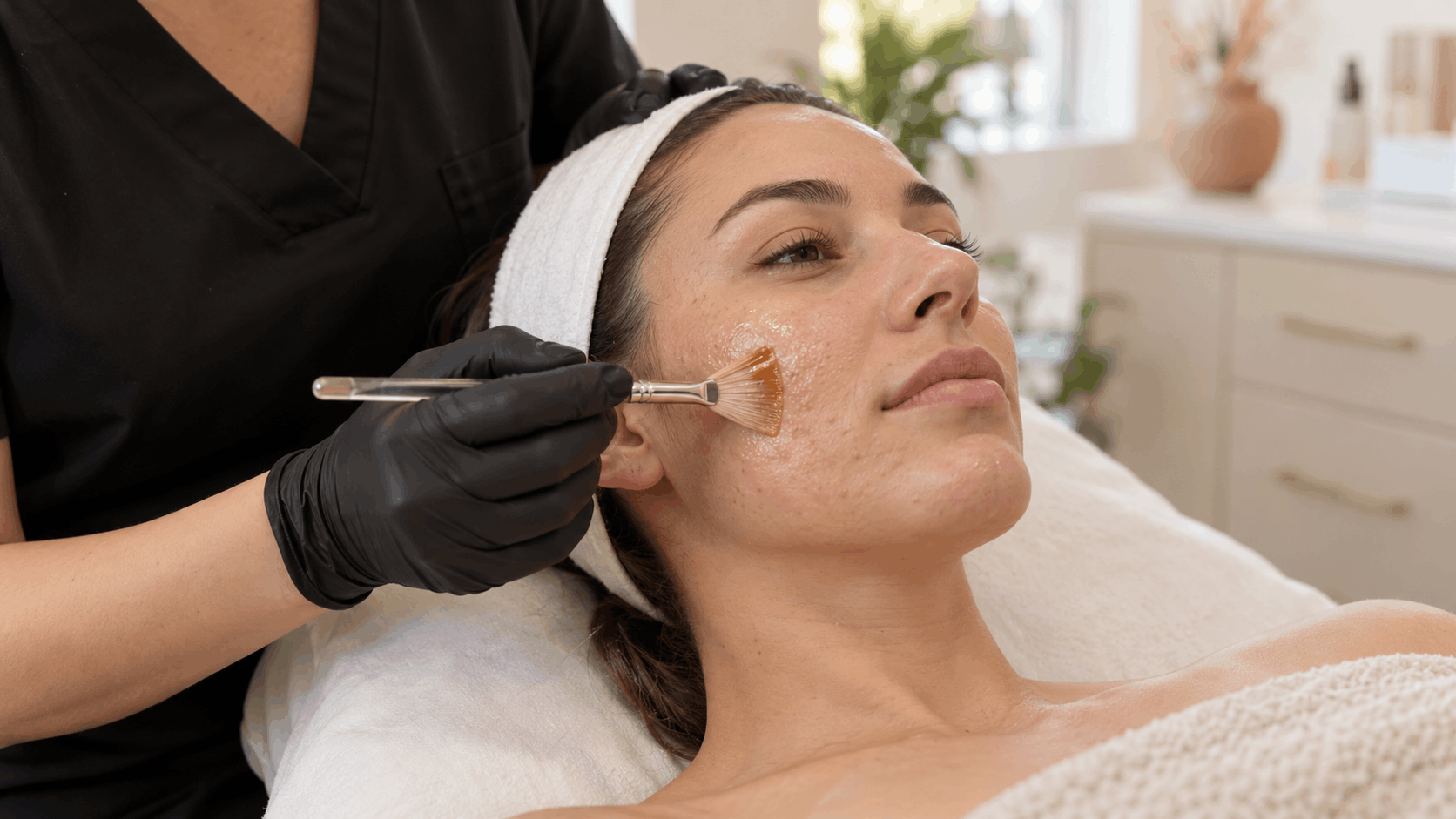
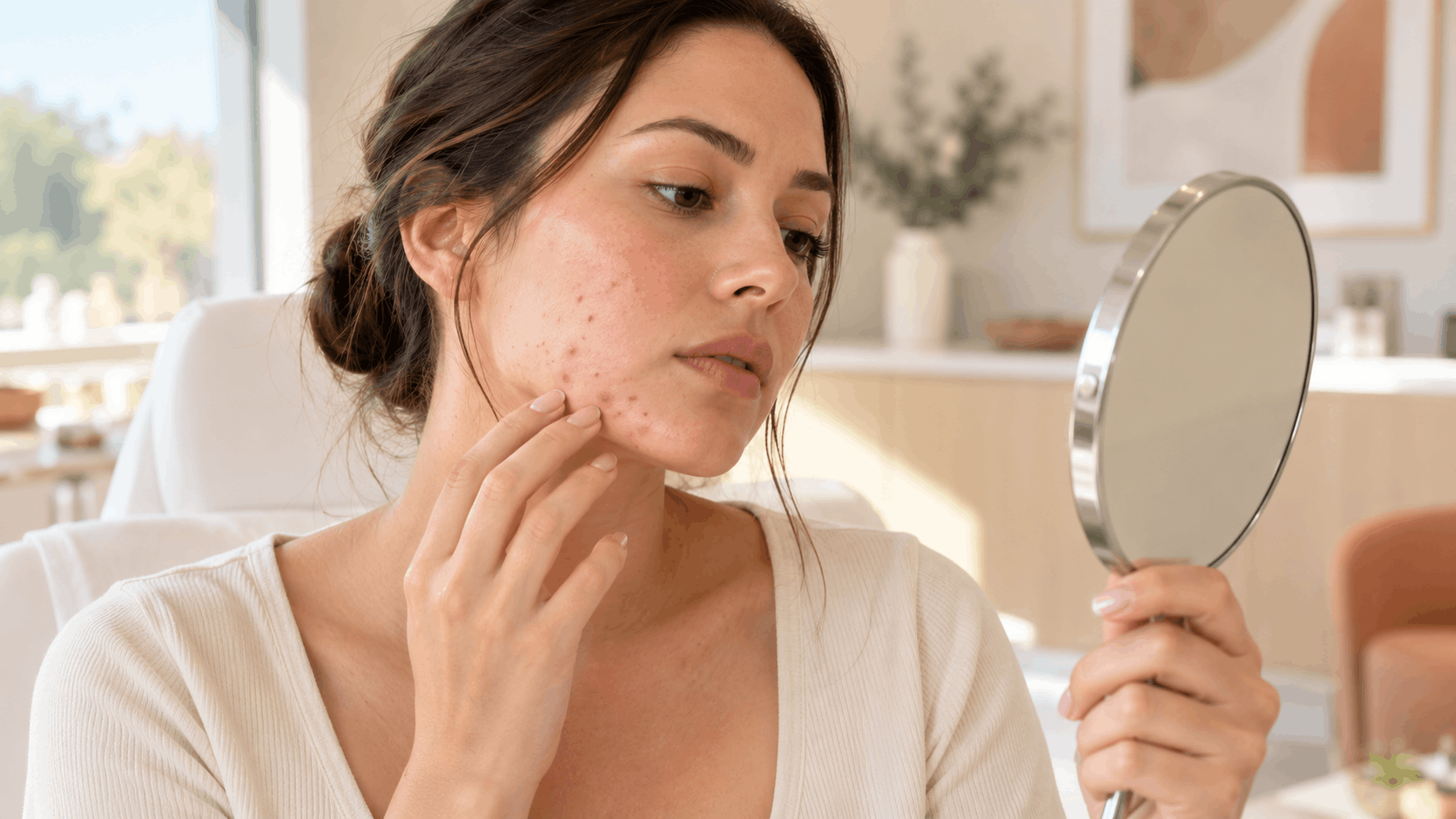
CO2 laser resurfacing can be one of the most effective treatments for improving skin texture, acne scars, fine lines, sun damage, and overall skin renewal. But because it works by creating controlled injury in the skin, it also comes with a real healing process.
That healing process is where many people have questions. How red will the skin look? How long does peeling last? When can you wear makeup again? And what can you do to recover as smoothly as possible?
CO2 laser downtime is usually more noticeable than lighter skin treatments, but it is also part of why the treatment can create meaningful improvement. The skin needs time to shed damaged surface layers, rebuild, calm inflammation, and reveal fresher-looking skin underneath.
If you are considering CO2 laser resurfacing, understanding the recovery timeline can help you prepare, avoid common mistakes, and support better healing from the start.
Jump to:
- TLDR – Quick Guide
- Detailed Breakdown
- Why Melasma Comes Back So Easily
- Why Prevention Matters as Much as Treatment
- Chemical Peels for Melasma
- Why VI Peel Precision Plus Is Often Used for Pigmentation
- Prescription-Strength and Professional Skincare
- Sunscreen Is Non-Negotiable
- Heat and Melasma Recurrence
- Laser Treatments for Melasma
- Microneedling and Skin Barrier Support
- Why Maintenance Treatments Matter
- Common Mistakes That Make Melasma Worse
- What Actually Helps Prevent Melasma Recurrence
- When to Consider Professional Help
- Why Personalized Treatment Matters
- Key Takeaways
- FAQs
TLDR – Quick Guide
- CO2 laser downtime usually involves redness, swelling, peeling, and sensitivity
- The first few days are typically the most intense part of recovery
- Peeling often improves within the first week, but redness can last longer
- Gentle skincare and sun protection are essential during healing
- Following aftercare instructions closely helps support smoother recovery
Detailed Breakdown
What CO2 Laser Does to the Skin
CO2 laser resurfacing works by using laser energy to remove damaged outer layers of skin and stimulate deeper renewal. This process can help improve rough texture, wrinkles, scars, enlarged pores, and visible signs of sun damage.
Because the treatment is more intensive than a basic facial or light peel, the skin needs time to recover. The laser creates a controlled wound-healing response, which encourages the skin to repair itself and produce new collagen over time.
That is why CO2 laser downtime should be expected. Redness, peeling, tightness, swelling, and sensitivity are not necessarily signs that something is wrong. They are often part of the normal resurfacing process.
The exact amount of downtime depends on treatment intensity, skin type, treatment area, provider technique, and how carefully aftercare is followed.
Why CO2 Laser Downtime Varies
Not everyone heals at the same pace after CO2 laser treatment. Some people experience a shorter recovery, while others need more time before the skin looks calm enough for normal social activities.
Several factors can affect downtime, including:
- Treatment depth
- Number of passes performed
- Skin tone and sensitivity
- Age and skin quality
- Treatment area
- History of pigmentation
- Skincare routine before treatment
- Sun exposure before or after treatment
- How closely aftercare is followed
A lighter resurfacing treatment may involve less downtime, while a deeper treatment may require a longer healing period. This is why a consultation is important before treatment.
The goal is to match the treatment strength to your skin concerns, goals, and available recovery time.
Immediately After Treatment
Right after CO2 laser treatment, the skin may feel hot, tight, swollen, and sensitive. Many people compare the feeling to a strong sunburn.
The treated area may appear red, raw-looking, or shiny. Some swelling can occur, especially around delicate areas like the eyes or cheeks.
Your provider will usually apply soothing products and give specific instructions for the first stage of healing. These instructions matter because the skin barrier is temporarily compromised after resurfacing.
At this point, the skin needs protection, hydration, and gentle care. This is not the time to use active skincare, exfoliants, scrubs, or makeup unless your provider says it is safe.
Days 1 to 3: The Most Sensitive Stage
The first few days are often the most intense part of CO2 laser downtime. The skin may look very red, swollen, and tender.
You may notice warmth, tightness, pinpoint crusting, oozing, or a grid-like pattern depending on the type of laser settings used. These changes can look dramatic, but they are often part of the expected healing process.
During this phase, your skin is focused on repair. Keeping the area clean, moisturized, and protected is essential.
You should avoid picking, rubbing, sweating heavily, using harsh skincare, or exposing the skin to sun. Even small irritations can delay healing or increase the risk of discoloration.
Days 4 to 7: Peeling and Flaking Begin
As the skin continues healing, peeling and flaking usually become more noticeable. The treated skin may feel tight, dry, itchy, or rough as damaged surface layers shed.
This stage can be frustrating because the skin may look uneven before it looks better. Some areas may peel sooner than others, and the face may appear patchy as the healing process unfolds.
The most important rule is to avoid picking. Pulling at peeling skin can create irritation, prolong redness, or increase the risk of scarring and pigmentation issues.
Gentle cleansing, approved ointments or moisturizers, and careful aftercare are usually the priority. If your provider gave you a specific recovery routine, follow that rather than experimenting with new products.
Week 2: Skin Starts Looking Calmer
By the second week, much of the surface peeling may have improved. The skin may look smoother and fresher, but redness or pinkness can still be visible.
This is often when people begin feeling more comfortable returning to normal routines, depending on the intensity of treatment. However, the skin is still healing and remains more vulnerable than usual.
You may still need to avoid strong skincare products, direct sun exposure, intense heat, and aggressive exfoliation. Even if the skin looks better on the surface, deeper healing is still happening.
If your provider clears you to wear makeup, choose gentle products and remove them carefully. Avoid anything that requires scrubbing or heavy rubbing.
Weeks 3 to 4: Redness Continues to Fade
By weeks three and four, redness usually continues to fade. The skin may look brighter, smoother, and more even, but some lingering pinkness can remain.
This is also when early improvements in texture may become more noticeable. Fine lines, acne scars, sun damage, and roughness may begin to look softer as the skin continues remodeling.
However, collagen-building takes time. The full benefit of CO2 laser treatment often continues developing beyond the visible recovery period.
Sun protection is especially important during this stage. Newly treated skin is more sensitive to UV exposure, and unprotected sun can increase the risk of discoloration.
Months 2 to 6: Collagen Remodeling Continues
CO2 laser results do not stop once the peeling ends. After the surface has healed, the deeper collagen remodeling process continues for months.
During this phase, the skin may keep improving in firmness, smoothness, and overall texture. Acne scars, fine lines, and uneven tone may continue softening gradually.
This longer timeline is one reason CO2 laser can be so valuable for texture concerns. The initial downtime is only part of the process. The deeper renewal continues well after the skin looks healed.
Patients who are treating acne scars, deeper lines, or sun damage should understand that improvement is progressive. Patience matters.
What Normal Healing Can Look Like
Normal CO2 laser downtime may include several visible and physical changes. Knowing what to expect can make the process less stressful.
Common recovery effects include:
- Redness
- Swelling
- Warmth
- Tightness
- Dryness
- Peeling
- Flaking
- Itching
- Temporary bronzing
- Mild crusting
- Skin sensitivity
- Lingering pinkness
These symptoms should gradually improve. The skin should move from hot and swollen, to peeling and dry, to pink and smoother.
If symptoms are worsening instead of improving, it is important to contact your provider.
What Is Not Normal During Recovery
While redness and peeling can be expected, certain symptoms should be checked. It is better to ask your provider early if something feels unusual.
Contact your provider if you notice:
- Increasing pain
- Spreading redness
- Thick yellow crusting
- Pus or drainage
- Blistering
- Fever
- Severe swelling
- Worsening heat in the skin
- Signs of infection
- Sudden dark patches or unusual discoloration
Most people recover without major issues when treatment and aftercare are handled properly. Still, CO2 laser is a more advanced treatment, so follow-up care matters.
Do not try to self-treat concerning symptoms with random products or home remedies. Get guidance from your provider.
How to Heal Faster After CO2 Laser
Healing faster does not mean rushing the skin. It means creating the best environment for repair.
The most helpful steps are usually simple:
- Follow your provider’s aftercare instructions
- Keep the skin moisturized as directed
- Avoid picking or peeling flakes
- Stay out of direct sun
- Use only approved gentle skincare
- Avoid heat, steam, and heavy sweating early on
- Stay hydrated
- Sleep with your head slightly elevated if swelling is present
- Avoid makeup until cleared
- Attend follow-up appointments if recommended
Trying to speed healing with harsh products can backfire. Strong actives, exfoliants, and scrubs may irritate the skin and slow recovery.
Gentle, consistent care is usually the fastest path to smoother healing.
Skincare to Avoid During Downtime
After CO2 laser, your skin barrier is temporarily weakened. Products that were fine before treatment may be too irritating during recovery.
You may need to avoid:
- Retinoids
- Exfoliating acids
- Scrubs
- Vitamin C serums
- Benzoyl peroxide
- Fragranced products
- Alcohol-based toners
- Harsh cleansers
- Brightening products
- At-home peels
- Strong acne treatments
Your provider will tell you when it is safe to restart active skincare. Restarting too early can cause burning, irritation, prolonged redness, or pigmentation problems.
A simplified routine is usually best while the skin is healing. Cleanse gently, moisturize as directed, and protect the skin.
Why Sun Protection Is Critical
Sun protection is one of the most important parts of CO2 laser recovery. Newly resurfaced skin is more sensitive and more vulnerable to UV damage.
Unprotected sun exposure after treatment can lead to:
- Prolonged redness
- Hyperpigmentation
- Uneven tone
- Delayed healing
- Increased sensitivity
- Poorer final results
You should avoid direct sun during the early healing period and use sunscreen when your provider says it is safe. Hats, shade, and physical protection can also help.
This is especially important for patients treating sun damage and age spots, because UV exposure is one of the main reasons discoloration returns.
When Can You Wear Makeup Again?
Makeup timing depends on how quickly your skin heals and how intensive the treatment was. In general, makeup should not be applied over raw, peeling, or open skin.
Applying makeup too early can irritate the skin, trap bacteria, or make removal more difficult. Even gentle makeup removal can create friction if the skin is still fragile.
Once the surface has healed and your provider clears you, mineral or non-irritating makeup may be recommended. Use a light touch and avoid heavy formulas that require scrubbing.
If you have an event coming up, plan treatment well in advance. CO2 laser recovery is not something to squeeze in right before an important occasion.
When Can You Exercise Again?
Exercise should usually be paused during the early recovery phase. Heat, sweat, and increased blood flow can intensify redness and irritation.
Strenuous workouts, hot yoga, saunas, steam rooms, and outdoor heat should be avoided until your provider says it is safe. Sweat can sting treated skin and may increase irritation.
Light walking may be acceptable sooner, depending on your provider’s instructions. The key is avoiding overheating and friction.
Once the skin barrier is more stable, you can gradually return to normal activity. Do not rush this step if your skin still feels hot, raw, or sensitive.
How to Sleep During Recovery
Sleep can affect comfort during the first few days. Swelling may be more noticeable in the morning, especially around the eyes.
Sleeping with your head slightly elevated may help reduce swelling. Use clean pillowcases and avoid pressing your face into the pillow.
Try to sleep on your back if possible during the early healing stage. This helps reduce friction and prevents rubbing the treated area while you sleep.
Keeping the skin clean and protected overnight supports a smoother healing process.
How to Reduce Swelling
Swelling is common after CO2 laser treatment, especially in the first few days. It usually improves gradually as the skin calms.
Helpful strategies may include:
- Keeping your head elevated
- Avoiding salty foods if swelling is significant
- Staying hydrated
- Using provider-approved cooling methods
- Avoiding heat and strenuous activity
- Following aftercare instructions closely
Do not apply random ice packs directly to treated skin unless your provider instructs you to do so. Extreme cold or pressure can irritate healing skin.
If swelling becomes severe, painful, or one-sided, contact your provider for guidance.
How CO2 Laser Helps Acne Scars and Texture
One reason patients choose CO2 laser is its ability to improve deeper texture concerns. Acne scars, enlarged pores, roughness, and fine lines often involve more than the surface layer of skin.
CO2 laser resurfacing can support skin renewal and collagen remodeling, which may help soften uneven texture over time. This is why downtime may be more involved than lighter treatments.
Patients dealing with acne scars and post-acne texture may benefit from discussing whether CO2 laser is the right option for their skin type and goals.
For deeper scars, more than one treatment or a combination plan may be recommended. Results depend on scar type, depth, and individual healing response.
How to Prepare Before Treatment
Good recovery begins before the laser treatment happens. Preparing your skin can help reduce the risk of irritation and support smoother healing.
Your provider may recommend avoiding certain products, treatments, medications, or sun exposure before your appointment. They may also ask about cold sores, skin sensitivity, pigmentation history, and current skincare.
Preparation may include:
- Avoiding tanning
- Pausing certain active ingredients
- Following pre-treatment skincare instructions
- Planning downtime
- Arranging gentle recovery products
- Avoiding major events soon after treatment
- Discussing medications or health conditions
Do not hide recent sun exposure or skin irritation from your provider. Treating compromised skin can increase the risk of complications.
Common Mistakes That Slow Healing
Many recovery problems come from doing too much too soon. CO2 laser downtime requires patience.
Common mistakes include:
- Picking peeling skin
- Restarting retinoids too early
- Wearing makeup too soon
- Exercising before the skin is ready
- Going into direct sun
- Using harsh cleansers
- Applying too many products
- Scrubbing flakes away
- Skipping moisturizer
- Ignoring provider instructions
The skin does not need to be forced through recovery. It needs to be protected while it repairs.
A simple, consistent aftercare routine usually works better than trying to micromanage every stage of healing.
How Long Until Skin Looks “Normal” Again?
This depends on the depth of treatment and your skin response. Many people look socially presentable after the main peeling phase ends, but redness or pinkness may continue longer.
Surface healing may happen within days to a couple of weeks, while deeper collagen remodeling continues for months. This means the skin can look healed before the final results have fully developed.
If you have a major event, give yourself more recovery time than you think you need. Makeup may cover mild redness once the skin has healed, but it cannot safely cover raw or peeling skin too early.
Your provider can help estimate downtime based on your treatment plan.
Why Personalized Treatment Matters
CO2 laser downtime is directly connected to treatment intensity and skin type. A customized approach helps balance improvement with safe recovery.
Some patients need deeper resurfacing for scars or wrinkles. Others may benefit from a lighter approach with less downtime. The right choice depends on your skin, goals, and tolerance for recovery.
At Genesis MedSpa, treatment planning focuses on helping patients understand what to expect before committing to resurfacing. If you are considering CO2 laser, a personalized consultation can help you decide whether the results, downtime, and healing process match your goals.
Key Takeaways
- CO2 laser downtime is normal and part of the resurfacing process
- Redness, swelling, peeling, and sensitivity are common during recovery
- The first week is usually the most visibly intense stage
- Gentle aftercare and sun protection help support better healing
- Final results continue improving as collagen remodeling develops
FAQs
1. How long does CO2 laser downtime usually last?
CO2 laser downtime varies depending on treatment depth, skin type, and how your skin heals. Many people experience the most visible redness, swelling, and peeling during the first week. Lingering pinkness and sensitivity may continue longer as the skin continues to recover.
2. What is the hardest part of CO2 laser recovery?
The first few days are often the hardest because the skin may feel hot, tight, swollen, and sensitive. Peeling and flaking can also be uncomfortable because the skin may look worse before it looks better. Following aftercare instructions closely can make this stage easier to manage.
3. How can I heal faster after CO2 laser treatment?
The best way to support faster healing is to follow your provider’s aftercare instructions, keep the skin moisturized, avoid picking, and stay out of the sun. You should also avoid harsh skincare, heat, sweating, and makeup until cleared. Gentle care usually helps the skin recover more smoothly than aggressive products.
4. When can I wear makeup after CO2 laser?
Makeup should usually be avoided until the skin surface has healed and your provider says it is safe. Applying makeup too soon can irritate the skin or interfere with recovery. Once cleared, gentle mineral makeup may be a better option than heavy formulas.
5. Why is sun protection so important after CO2 laser?
Sun protection is critical because newly treated skin is more vulnerable to UV damage. Too much sun exposure can increase redness, discoloration, sensitivity, and delayed healing. Protecting your skin helps preserve your results and reduces the risk of post-treatment pigmentation.