Not all facials are created equal—and if you’re looking for real skin transformation, a chemical peel might be exactly what you need. In Colorado Springs, where sun exposure, altitude, and dryness accelerate aging and congestion, chemical peels offer one of the fastest, most effective ways to rejuvenate, resurface, and renew your skin.
But here’s the deal: not all peels are the same, and not all are right for every skin type. This guide breaks down the best chemical peels Colorado Springs clients trust, how they work, and how to choose the right one for your unique skin goals.
Jump to:
TLDR – Quick Guide
- What it is: A chemical peel uses acids to exfoliate skin, remove damage, and stimulate regeneration.
- Why it’s ideal in Colorado Springs: High elevation and sun exposure speed up aging and dullness—peels help reverse that damage.
- Types of peels: Light, medium, and deep — each targeting different concerns like acne, fine lines, pigmentation, or texture.
- Best for: Acne, aging skin, dark spots, rough texture, or dull tone.
- Key advice: Always work with a licensed provider to match the peel to your skin safely.
Detailed Breakdown
What Are Chemical Peels?
Chemical peels are acid-based skin treatments that exfoliate the outer layers of your skin to reveal a brighter, smoother, and clearer complexion. Depending on the formula, a peel can target:
- Dead skin buildup
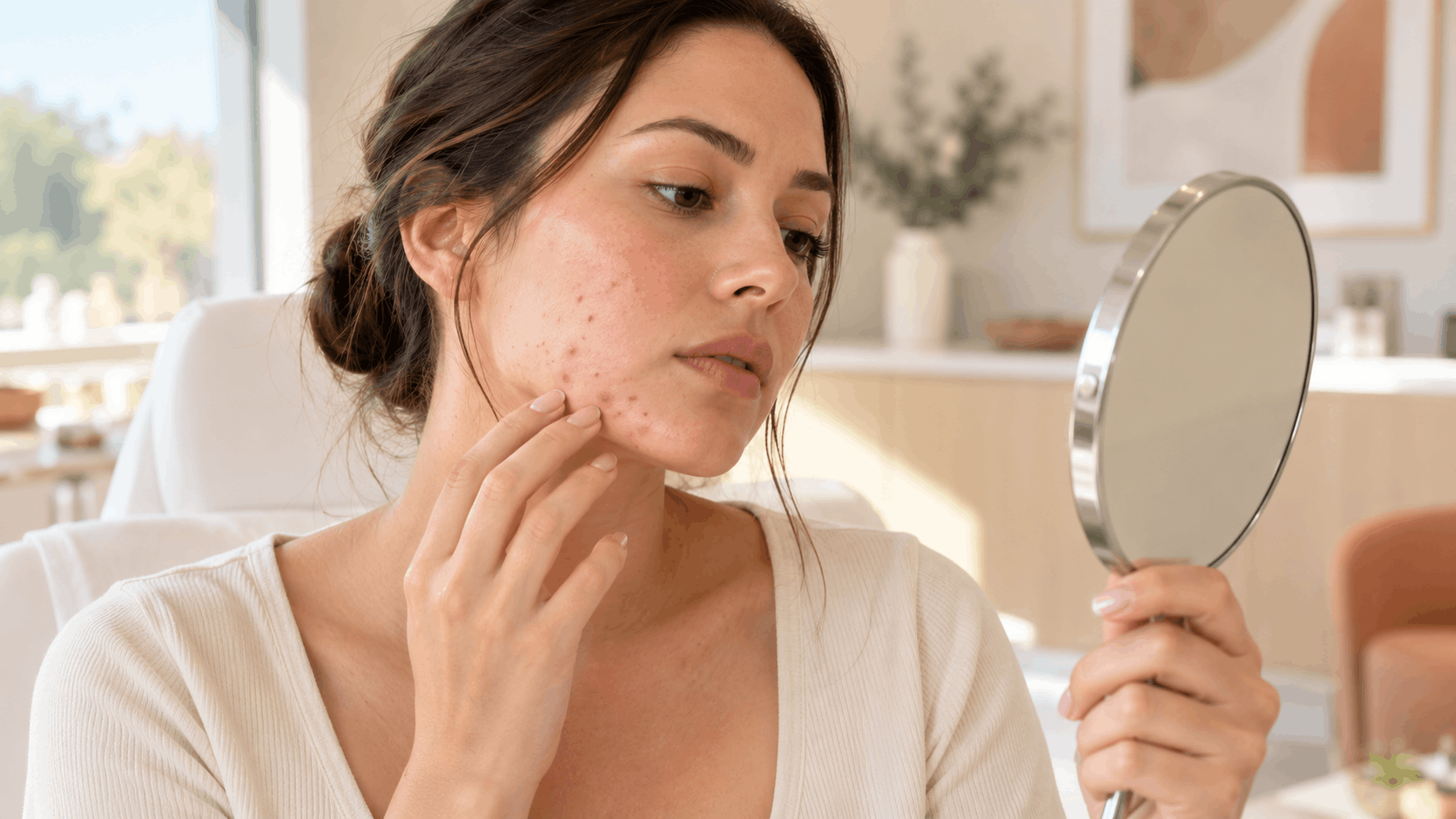
- Acne and congestion
- Fine lines and wrinkles
- Hyperpigmentation and sun spots
- Rough or uneven skin texture
- Loss of firmness or glow
Most peels contain acids like:
- Glycolic acid: Best for anti-aging and texture
- Salicylic acid: Great for oily, acne-prone skin
- Lactic acid: Gentle and hydrating
- TCA (Trichloroacetic acid): Deeper penetration for advanced aging or pigmentation
Peels range from superficial to deep, with different downtime and results based on your skin condition and goals.
Why Chemical Peels Work So Well in Colorado Springs
Colorado Springs has a lot going for it—but the climate is not easy on skin. Between the dry mountain air, year-round sun exposure, and fluctuating temperatures, your skin is constantly being tested. This can lead to:
- Dehydration and dullness
- Sun damage and pigmentation
- Premature fine lines and texture issues
Chemical peels are one of the best tools to fight back because they don’t just treat the surface—they stimulate your skin to act younger, regenerate faster, and produce fresh collagen.
At trusted clinics like Genesis MedSpa, peels are customized to local conditions and personal skin history, ensuring safe, transformative results year-round.
Types of Chemical Peels: Which One Is Right for You?
1. Light Peels (Superficial)
These are entry-level treatments with minimal downtime—think “lunchtime peels” that offer a quick glow-up.
- Best for: Dullness, early signs of aging, mild acne
- Popular acids: Glycolic, lactic, mandelic, or low-strength salicylic
- Downtime: None to 1 day of mild flaking
- Frequency: Every 2–4 weeks
Great for first-timers, sensitive skin, or routine maintenance.
2. Medium-Depth Peels
These reach deeper layers of skin, triggering a stronger regenerative response. You may peel for a few days—but the payoff is real.
- Best for: Acne scars, sun spots, moderate lines, melasma
- Popular acids: TCA, stronger salicylic or Jessner’s solution
- Downtime: 3–7 days of visible peeling
- Frequency: Monthly or seasonally
Ideal for patients ready to target deeper damage with visible improvements.
3. Deep Peels
These are rarely offered outside of physician-level treatment and require significant downtime—but offer dramatic improvement in skin tone, texture, and deep lines.
- Best for: Severe sun damage, deep wrinkles, resistant pigmentation
- Acids used: Phenol or high-strength TCA
- Downtime: 7–14 days or more
- Frequency: One-time or annually
Not for the faint of heart—but if you’re committed, the results can be remarkable.
What to Expect Before, During, and After Your Peel
Before Treatment
- Your provider will evaluate your skin type, sensitivities, and goals.
- You may be advised to prep your skin with a retinoid or light exfoliant beforehand.
- Avoid sun, waxing, or harsh treatments a few days prior.
During Treatment
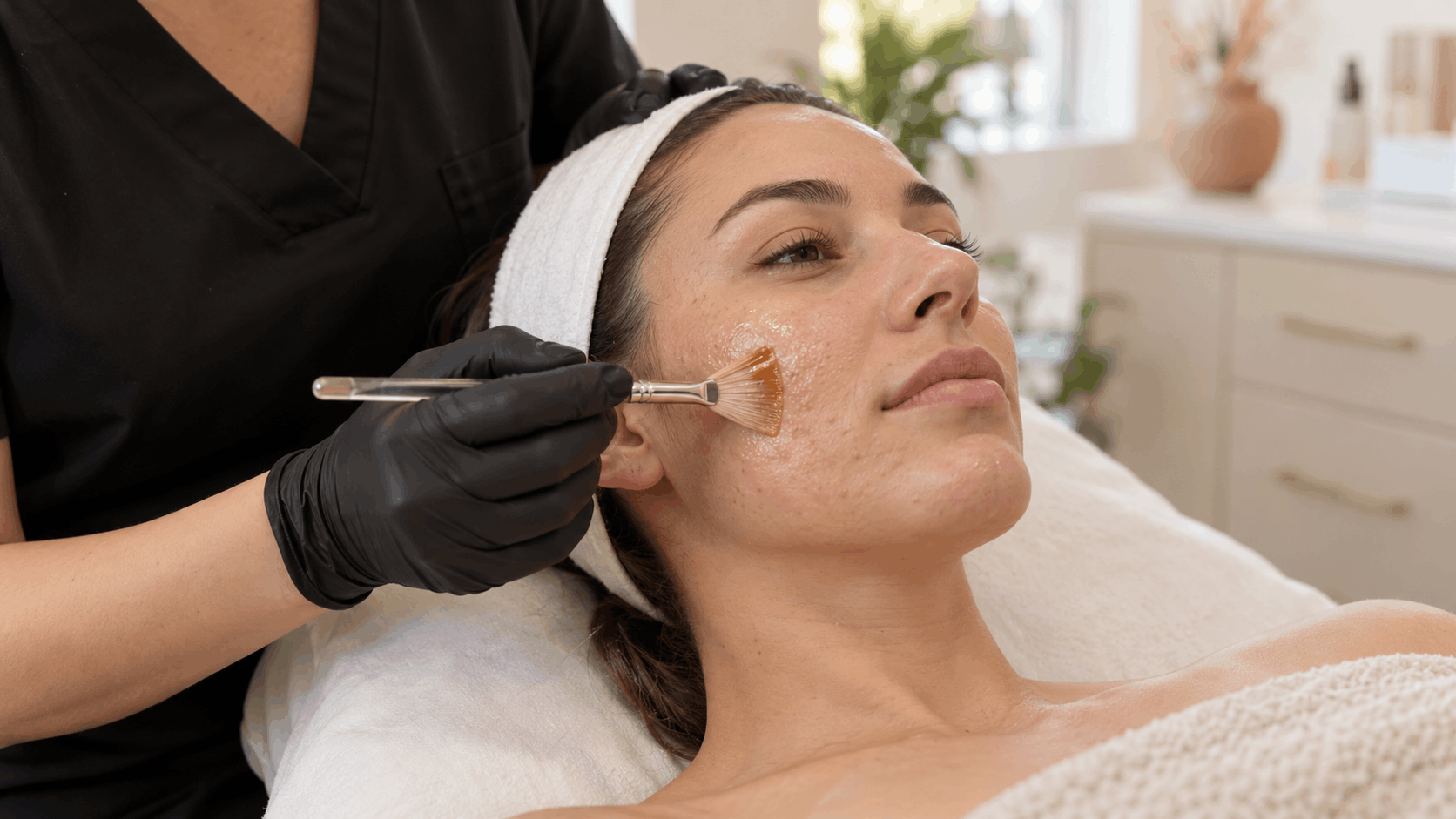
- The peel is applied in layers; some create a tingling or warming sensation.
- Treatments typically last 15–30 minutes depending on the strength and area treated.
After Treatment
- Light peels may leave skin flushed or lightly peeling.
- Medium peels result in visible flaking or sheet peeling.
- You’ll be instructed to avoid sun, heat, and heavy products while healing.
Expect new, fresher skin to appear within days—and full results within a week or two.
How to Choose the Right Provider in Colorado Springs
You’re not buying a peel—you’re investing in your skin’s future. That’s why experience matters.
Here’s what to look for:
- Licensed providers with experience in medical-grade peels
- Customized consultations based on your skin and lifestyle
- Safe protocols for aftercare and complication management
- A range of peel options, not just one formula for all
At Genesis MedSpa, every chemical peel is designed to fit your skin’s current state and long-term goals—whether that’s clearing breakouts, fading sun spots, or turning back the clock.
Key Takeaways
- Chemical peels in Colorado Springs are ideal for treating sun damage, acne, aging, and dull skin made worse by high-altitude living.
- Options range from light glow-up peels to deep resurfacing treatments, depending on your skin goals and downtime comfort.
- Choosing the right peel involves more than picking a name—it requires expert evaluation, planning, and aftercare.
- Real results come from real customization—peels should evolve with your skin over time.
- Clinics like Genesis MedSpa specialize in tailored treatment plans, helping you achieve clear, glowing, youthful skin with the right peel at the right time.
FAQs
1. How long do chemical peel results last?
Results vary by peel depth, but most clients see improvements for several weeks to months. Maintenance peels every 4–8 weeks help extend and enhance results.
2. Is there downtime after a chemical peel?
Light peels have little to no downtime. Medium and deep peels involve visible flaking or shedding for 3–10 days. Your provider will guide your aftercare.
3. Can I wear makeup after a chemical peel?
You can usually wear makeup 24–48 hours after light peels, but medium or deep peels may require 5–7 days before it’s safe. Let your skin heal before applying products.
4. Are chemical peels safe for sensitive skin?
Yes, when tailored correctly. Gentler acids like lactic or mandelic are well-tolerated by sensitive skin when applied by trained professionals.
5. How do I know which peel is right for me?
A professional consultation is essential. Your provider will assess your skin type, concerns, and goals to recommend the best peel for your needs.