Jaw clenching can feel like a minor habit at first, but over time, it can create ongoing tension in the jaw, face, temples, and neck. Many people clench without realizing it—especially while sleeping, concentrating, driving, or dealing with stress.
The problem is that repeated clenching places constant pressure on the masseter muscles, which are the strong chewing muscles located along the jawline. When these muscles become overworked, they can contribute to soreness, tightness, headaches, tooth sensitivity, and tension around the temporomandibular joint, commonly known as the TMJ.
That’s where botox for jaw clenching may help. By relaxing overactive jaw muscles, Botox can reduce excessive bite force and help relieve the muscle tension that often contributes to TMJ discomfort.
For people who have tried mouth guards, stress management, or other conservative options but still experience jaw tightness, Botox may offer a targeted, non-surgical solution.
Jump to:
TLDR – Quick Guide
- Botox for jaw clenching targets overactive masseter muscles
- It may help reduce TMJ tension, jaw soreness, and facial tightness
- Results develop gradually over several days to weeks
- Treatment is temporary and may require maintenance
- Best results come from a personalized treatment plan
Detailed Breakdown
What Jaw Clenching Does to the TMJ
Jaw clenching puts repeated pressure on the muscles and joints responsible for chewing, speaking, and opening the mouth. The TMJ acts like a hinge that connects the jawbone to the skull, and when the surrounding muscles stay tense for long periods, the area can become irritated or strained.
Over time, this tension may lead to symptoms such as:
- Jaw soreness
- Facial tightness
- Headaches
- Tenderness near the jawline
- Clicking or popping
- Tooth sensitivity
- Neck or temple discomfort
For some people, jaw clenching happens mostly during the day. For others, it happens at night during sleep, making it harder to control consciously.
When clenching becomes frequent, the masseter muscles may stay in a constant state of tension. This can create a cycle where tight muscles lead to discomfort, and discomfort causes even more jaw guarding or clenching.
How Botox for Jaw Clenching Works
Botox for jaw clenching works by temporarily relaxing the masseter muscles. These muscles are responsible for much of the force used when biting down, chewing, or clenching the teeth.
During treatment, Botox is carefully injected into targeted areas of the masseter muscles. The goal is not to stop normal jaw movement or make chewing difficult. Instead, the goal is to reduce excessive muscle activity so the jaw can rest more comfortably.
As the treated muscles relax, many people notice less tension in the lower face and jaw. This may help reduce the intensity of clenching, jaw fatigue, and TMJ-related discomfort.
Patients interested in this option can explore Botox treatment for jaw and facial muscle concerns as part of a customized consultation.
Why the Masseter Muscle Matters
The masseter is one of the strongest muscles in the face. It activates every time you chew, bite, or clench your teeth.
When this muscle becomes overactive, it can contribute to ongoing jaw tension. Some people also develop enlarged masseter muscles from repeated clenching, which may make the lower face appear wider or more squared.
Relaxing the masseter muscle can help reduce unnecessary force on the jaw. For people whose TMJ tension is mainly muscle-related, this can make a noticeable difference in comfort.
However, Botox does not treat every possible cause of TMJ pain. If symptoms are related to joint damage, bite alignment, dental issues, or another underlying concern, additional care may be needed.
Common Signs You May Be Clenching Your Jaw
Jaw clenching is not always obvious. Many people only realize they are doing it after symptoms become more noticeable.
Common signs include:
- Waking up with jaw soreness
- Frequent tension headaches
- Aching near the ears or temples
- Tooth sensitivity
- Tightness when opening the mouth
- Facial fatigue after chewing
- A feeling of pressure along the jawline
Some people also notice that their jaw feels tense even when they are not eating or speaking. This may be a sign that the muscles are staying partially contracted throughout the day.
If these symptoms continue, it may be worth discussing TMJ and jaw clenching treatment options with a qualified provider.
Botox vs. Mouth Guards for Jaw Clenching
Mouth guards and Botox work in different ways. A mouth guard helps protect the teeth from grinding damage, but it does not always stop the jaw muscles from clenching.
Botox targets the muscle activity itself. By relaxing the masseter muscles, it may help reduce the force behind clenching.
For some people, the best approach may include both. A mouth guard can protect the teeth, while Botox can help reduce muscle tension and jaw fatigue.
This is especially helpful for people who wear a night guard but still wake up with soreness, headaches, or tightness in the jaw.
What to Expect During Treatment
Treatment begins with a consultation. Your provider will ask about your symptoms, clenching patterns, medical history, and goals.
They may also evaluate the jawline and ask you to clench so they can assess the size and strength of the masseter muscles. This helps determine the appropriate placement and treatment approach.
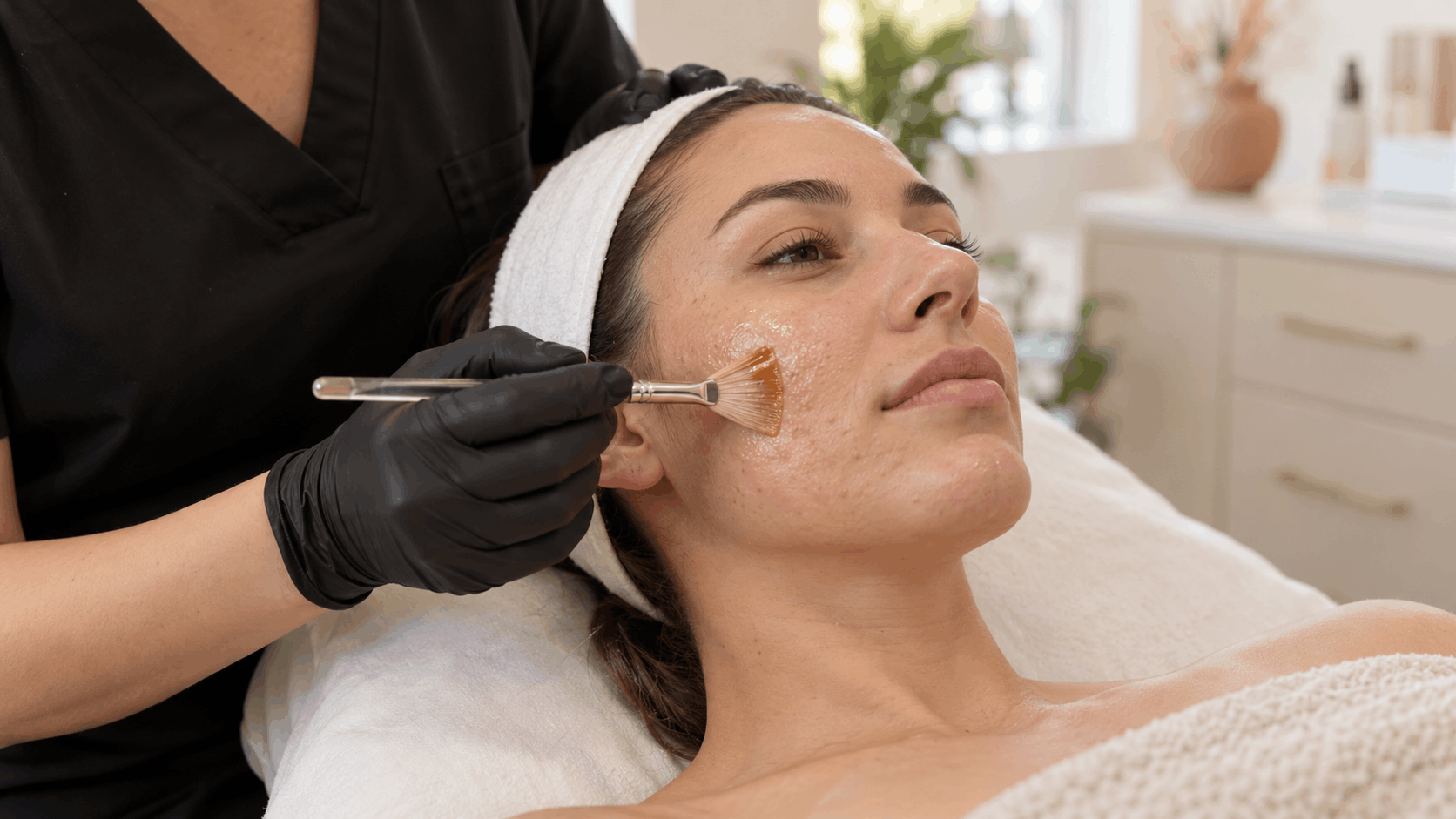
The injection process is typically quick. Small amounts of Botox are placed into targeted points in the jaw muscles, usually on both sides for balance.
Most people return to normal daily activities shortly after treatment. Your provider may give simple aftercare instructions, such as avoiding pressure on the treated area for a short period.
When Results Start to Appear
Results from Botox for jaw clenching are gradual. You should not expect the jaw to feel dramatically different immediately after treatment.
Many people begin noticing improvement within several days. Full effects often develop over the next few weeks as the masseter muscles relax.
As muscle activity decreases, symptoms may become less intense. Jaw soreness, facial fatigue, and clenching-related tension may improve over time.
Because results are temporary, maintenance treatments may be recommended. The ideal schedule depends on your muscle strength, symptoms, and how your body responds.
Benefits of Botox for Jaw Clenching
Botox may offer several benefits for people with muscle-related jaw tension.
Potential benefits include:
- Reduced jaw tightness
- Less facial tension
- Decreased clenching intensity
- Fewer tension-related headaches
- Reduced soreness around the jawline
- Improved comfort when chewing or speaking
- A softer lower-face appearance in some cases
The biggest benefit is that treatment targets the overactive muscles directly. This makes it different from approaches that only protect the teeth or manage symptoms after they occur.
For people whose TMJ discomfort is driven by muscle overuse, this targeted approach can be especially useful.
Who May Be a Good Candidate
You may be a good candidate for Botox for jaw clenching if you regularly experience jaw tightness, masseter soreness, facial tension, or clenching-related headaches. It may also be helpful if your jaw muscles feel overworked or enlarged from frequent clenching.
Good candidates usually want a non-surgical option and understand that results are temporary. They should also be open to a personalized plan rather than expecting a one-size-fits-all treatment.
Botox may not be right for everyone. If your pain is caused by dental problems, joint damage, infection, or other medical concerns, a different type of care may be needed.
A consultation helps determine whether your symptoms are likely muscle-related and whether Botox is an appropriate option.
How to Support Better Results
Botox can help relax overactive muscles, but your daily habits still matter. Supporting your jaw between treatments can help improve comfort and maintain results.
Helpful habits include:
- Avoiding unnecessary gum chewing
- Keeping teeth slightly apart when resting
- Managing stress-related clenching
- Staying aware of daytime jaw tension
- Following provider aftercare instructions
- Using a dental appliance if recommended
A simple resting position is lips closed, teeth apart, and tongue relaxed against the roof of the mouth. This can help reduce unnecessary jaw muscle engagement throughout the day.
If symptoms are persistent, a personalized plan may be the best next step. Patients can schedule a consultation with Genesis MedSpa to discuss whether Botox for jaw clenching fits their needs.
Why Personalized Treatment Matters
Jaw clenching does not look the same for everyone. Some people have very strong masseter muscles, while others have more complex TMJ symptoms involving posture, bite alignment, sleep habits, or stress.
That is why customization matters. The provider must consider muscle strength, facial balance, symptom severity, and overall function before recommending treatment.
The goal is not to weaken the jaw too much. The goal is to reduce excessive tension while preserving natural movement, chewing, and facial expression.
A thoughtful treatment plan can help improve comfort while keeping results balanced and natural-looking.
Key Takeaways
- Botox for jaw clenching may help reduce TMJ-related muscle tension
- The treatment targets overactive masseter muscles
- Results appear gradually and are temporary
- Botox may work well alongside mouth guards or other care
- A personalized consultation helps determine if treatment is appropriate
FAQs
1. How does Botox for jaw clenching help TMJ tension?
Botox for jaw clenching helps by relaxing the masseter muscles that create excessive bite force. When these muscles contract less intensely, there may be less pressure and tension around the TMJ. This can help reduce jaw soreness, tightness, and clenching-related discomfort.
2. How long does Botox for jaw clenching take to work?
Most people notice gradual improvement within several days after treatment. Full results often develop over the next few weeks as the jaw muscles relax. The timeline can vary depending on muscle strength, dosage, and individual response.
3. How long do results last?
Results are temporary and commonly last for several months. Some people may need maintenance treatments to continue managing jaw tension and clenching. Your provider can recommend a schedule based on how your symptoms respond.
4. Can Botox for jaw clenching replace a mouth guard?
Botox and mouth guards serve different purposes. A mouth guard protects the teeth from grinding damage, while Botox helps reduce overactive muscle contractions. Some people may benefit from using both together for better protection and comfort.
5. Is Botox for jaw clenching right for everyone?
Botox may be helpful for people whose jaw tension is related to overactive masseter muscles. It may not be the best option if symptoms are caused by dental issues, joint problems, infection, or another medical condition. A consultation helps determine whether this treatment is appropriate for your situation.