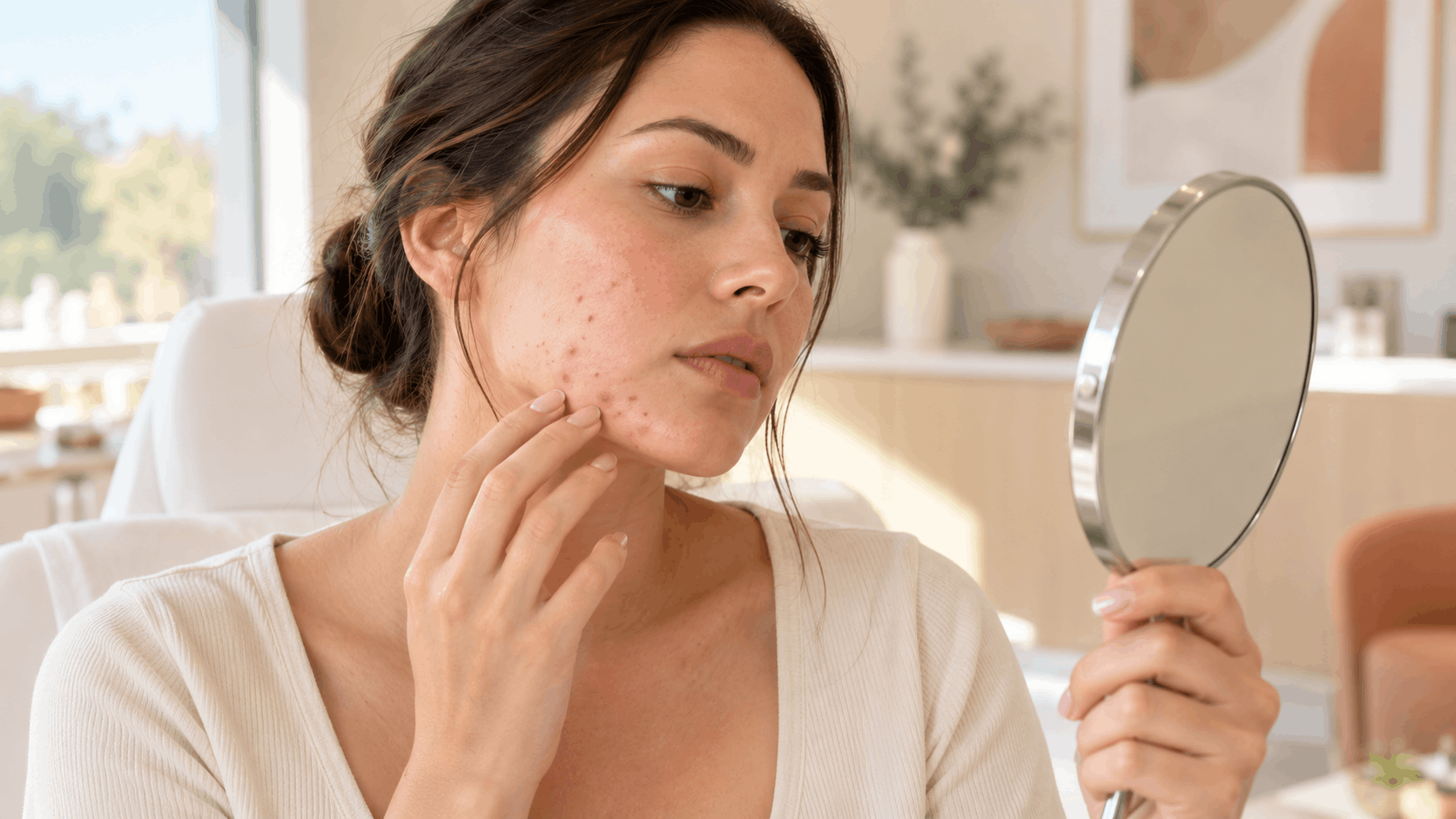
If you thought acne would disappear after your teenage years, adult breakouts can feel like a frustrating surprise.
The reality is, adult acne is far more complex—and stubborn—than teenage acne. It’s driven by a mix of hormones, lifestyle factors, skin barrier issues, and even stress. That’s why many over-the-counter products fail to deliver lasting results.
If your breakouts keep returning no matter what you try, it’s not because you’re doing everything wrong. It’s because most solutions only treat the surface, not the root cause.This guide breaks down why acne keeps coming back and explores the most effective adult acne treatment options that actually deliver long-term results.
Jump to:
TLDR – Quick Guide
- Adult acne is caused by hormones, stress, and inflammation, not just clogged pores
- Most products fail because they don’t target the root cause
- Over-treating acne can damage your skin barrier and make breakouts worse
- Effective solutions combine skincare, lifestyle changes, and professional treatments
- Consistency and personalization are key to clear skin
Detailed Breakdown
Why Adult Acne Keeps Coming Back
Hormonal Fluctuations Don’t Just Affect Teenagers
Hormones remain one of the biggest triggers of adult acne. Changes related to stress, menstrual cycles, pregnancy, or even certain medications can increase oil production and lead to clogged pores.
Unlike teenage acne, adult acne often appears along the jawline, chin, and lower face. These breakouts tend to be deeper, more painful, and longer-lasting, making them harder to treat with basic products.
Stress Is a Major Acne Trigger
Chronic stress increases cortisol levels, which directly impacts your skin. Higher cortisol can lead to excess oil production and inflammation—two key contributors to acne.
This creates a cycle:
- Stress causes breakouts
- Breakouts cause more stress
- The cycle continues
Without addressing stress, even the best skincare routine may fall short.
Your Skincare Routine Might Be Too Harsh
Many people respond to acne by using stronger products, exfoliating more frequently, or layering multiple treatments. Unfortunately, this often backfires.
Overuse of active ingredients can:
- Damage your skin barrier
- Increase irritation and redness
- Trigger more oil production
This leads to more breakouts, not fewer.
Clogged Pores Are Only Part of the Problem
While clogged pores play a role, adult acne is also driven by inflammation and bacteria. Treating acne requires a multi-layered approach that goes beyond surface-level cleansing.
If you’re only focusing on drying out pimples, you’re missing the bigger picture.
What Adult Acne Treatment Options Actually Work
Step 1: Focus on Gentle but Effective Skincare
The goal is to treat acne without damaging your skin barrier.
Look for:
- Salicylic acid to unclog pores
- Niacinamide to reduce inflammation
- Retinoids to improve skin turnover
At the same time, avoid overloading your routine. Simplicity and consistency often produce better results than aggressive treatments.
Step 2: Support Your Skin Barrier
A healthy skin barrier helps regulate oil production and protect against bacteria.
Incorporate:
- Hydrating ingredients like hyaluronic acid
- Barrier-repairing ingredients like ceramides
- Non-comedogenic moisturizers
Balanced skin is less prone to breakouts.
Step 3: Address Internal Triggers
Adult acne is often influenced by internal factors such as diet, stress, and hormones.
Consider:
- Managing stress through sleep and lifestyle changes
- Monitoring dietary triggers (such as high sugar or dairy intake)
- Consulting professionals for hormonal imbalances
Clear skin requires a holistic approach.
Step 4: Consider Professional Treatments for Faster Results
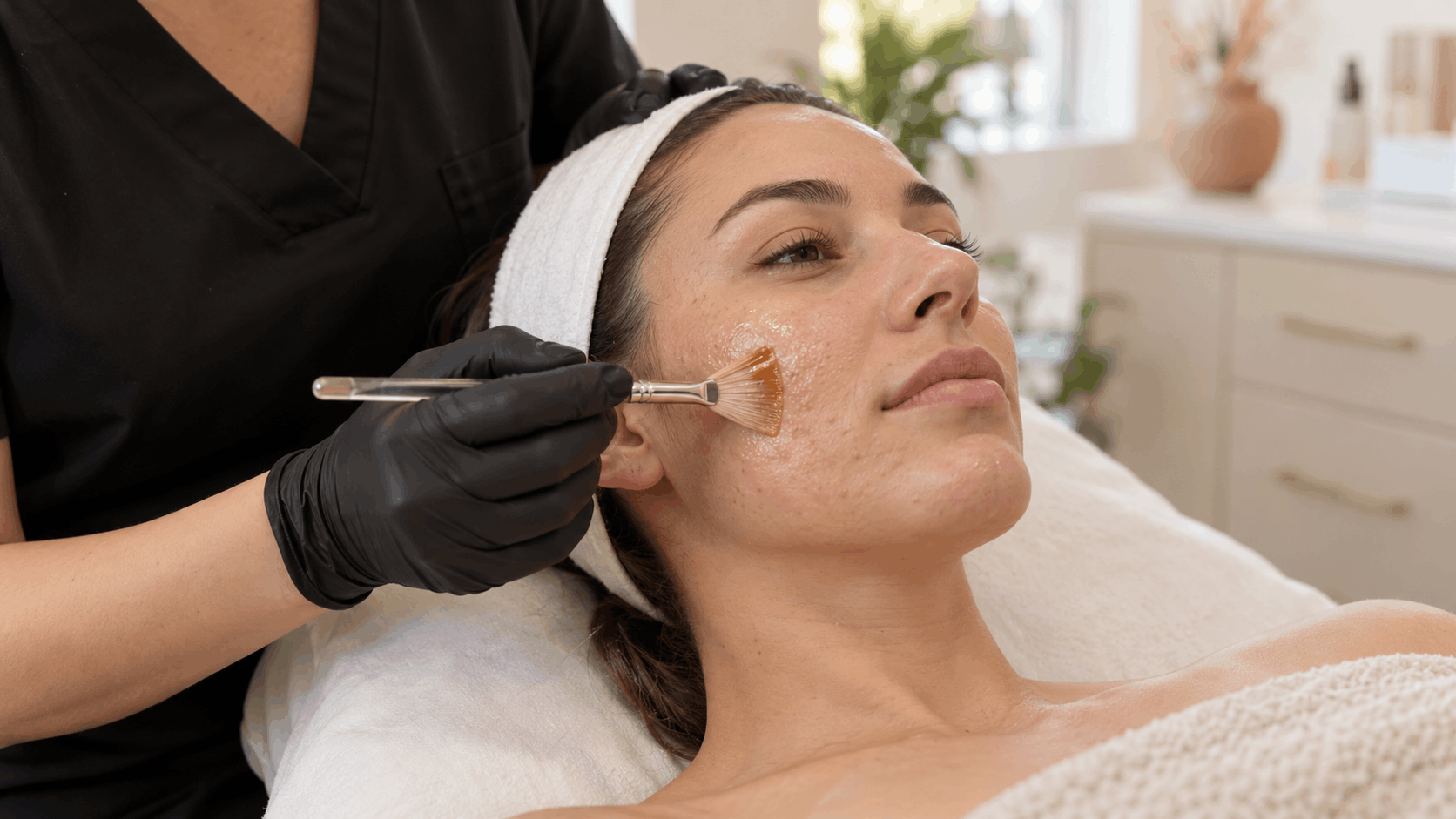
When acne persists, professional treatments can provide a more targeted and effective solution.
Options include:
- Chemical peels to exfoliate and unclog pores
- Laser and light therapies to reduce bacteria and inflammation
- Customized facials designed for acne-prone skin
You can explore advanced aesthetic treatments
These treatments are designed to go beyond surface-level care and deliver deeper, longer-lasting improvements.
Step 5: Get a Personalized Treatment Plan
There’s no one-size-fits-all solution for adult acne. What works for one person may not work for another.
Working with experienced providers like Genesis MedSpa allows you to receive a customized plan based on your skin type, triggers, and goals.
Personalization is often the difference between temporary relief and lasting results.
Common Mistakes That Keep Acne Coming Back
Many people unintentionally make their acne worse by following outdated or ineffective advice.
Common mistakes include:
- Over-cleansing or over-exfoliating
- Using too many active ingredients at once
- Skipping moisturizer
- Expecting overnight results
- Not addressing underlying causes
Avoiding these mistakes can significantly improve your skin’s clarity and resilience.
Key Takeaways
- Adult acne is driven by multiple factors, including hormones and stress
- Treating acne requires more than just topical products
- The best adult acne treatment options combine skincare, lifestyle changes, and professional care
- Protecting your skin barrier is essential for long-term results
- Personalized treatment plans deliver the most effective outcomes
FAQs
1. Why does adult acne keep coming back even after treatment?
Adult acne often returns because the underlying causes, such as hormones or stress, are not fully addressed. Many treatments only target surface symptoms rather than deeper issues. Long-term results require a comprehensive and consistent approach.
2. What are the most effective adult acne treatment options?
Effective options include a combination of topical treatments, lifestyle changes, and professional procedures. Ingredients like retinoids and salicylic acid can help, while treatments like chemical peels provide deeper results. A personalized plan is often the most successful approach.
3. Can stress really cause acne?
Yes, stress increases cortisol levels, which can trigger excess oil production and inflammation. This creates an environment where acne is more likely to develop. Managing stress is an important part of controlling breakouts.
4. Should I stop using moisturizer if I have acne?
No, skipping moisturizer can actually make acne worse. When your skin becomes too dry, it may produce more oil to compensate. Using a lightweight, non-comedogenic moisturizer helps maintain balance.
5. When should I see a professional for acne treatment?
If your acne is persistent, painful, or not responding to over-the-counter products, it’s time to seek professional help. Early intervention can prevent scarring and improve results. Professional treatments often provide faster and more effective outcomes.