Dark spots have a way of overstaying their welcome.
Whether they come from acne, sun damage, or hormonal changes, hyperpigmentation can linger for months—or even years—if not treated properly. And if you’ve tried countless creams with little to no results, you’re not alone.
The truth is, not all treatments are created equal. Many products promise brighter skin but fail to deliver because they don’t target the root cause of pigmentation.If you’re serious about fading dark spots, understanding the most effective hyperpigmentation treatment options is the difference between wasting time and seeing real results.
Jump to:
TLDR – Quick Guide
- Hyperpigmentation is caused by excess melanin production, often triggered by sun exposure, acne, or hormones
- Most over-the-counter products work slowly and require consistency
- Ingredients like vitamin C, retinoids, and chemical exfoliants can help fade dark spots
- Professional treatments deliver faster and more noticeable results
- Sun protection is essential—without it, pigmentation will keep coming back
Detailed Breakdown
What Causes Hyperpigmentation in the First Place
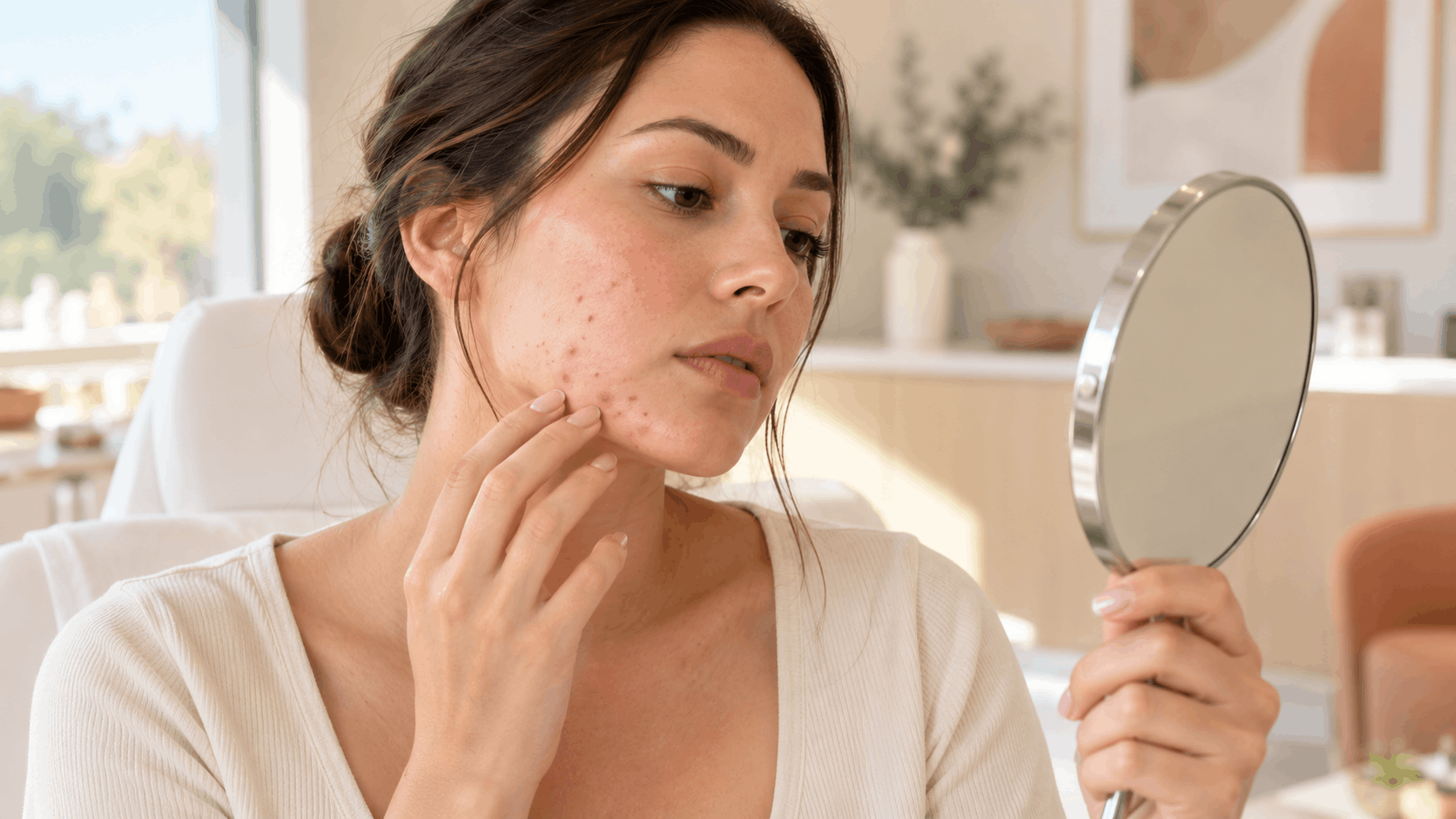
Hyperpigmentation occurs when your skin produces excess melanin in certain areas, leading to dark patches or spots. While the condition itself is harmless, it can be difficult to treat without the right approach.
Common triggers include:
- Sun exposure: UV rays stimulate melanin production, making dark spots darker
- Post-inflammatory hyperpigmentation (PIH): Often follows acne or skin irritation
- Hormonal changes: Conditions like melasma are influenced by hormones
- Skin trauma: Cuts, burns, or aggressive treatments can lead to discoloration
The key challenge is that once melanin is overproduced, it doesn’t fade easily without intervention.
Why Most Hyperpigmentation Treatments Fail
Many people rely on random products or trends without understanding how pigmentation works. This leads to frustration and minimal results.
Common reasons treatments fail:
- Inconsistent use of products
- Lack of sun protection
- Using low-strength or ineffective ingredients
- Expecting quick results from slow-acting solutions
Hyperpigmentation requires a targeted, consistent strategy—not guesswork.
Hyperpigmentation Treatment Options That Actually Work
Topical Treatments (Best for Mild to Moderate Cases)
Topical products are often the first line of defense. When used correctly, they can gradually fade dark spots and even out skin tone.
Effective ingredients include:
- Vitamin C: Brightens skin and reduces oxidative stress
- Retinoids: Increase cell turnover to fade pigmentation faster
- Alpha hydroxy acids (AHAs): Exfoliate the skin’s surface
- Niacinamide: Helps reduce discoloration and inflammation
These treatments require patience and consistency. Results typically appear over several weeks to months.
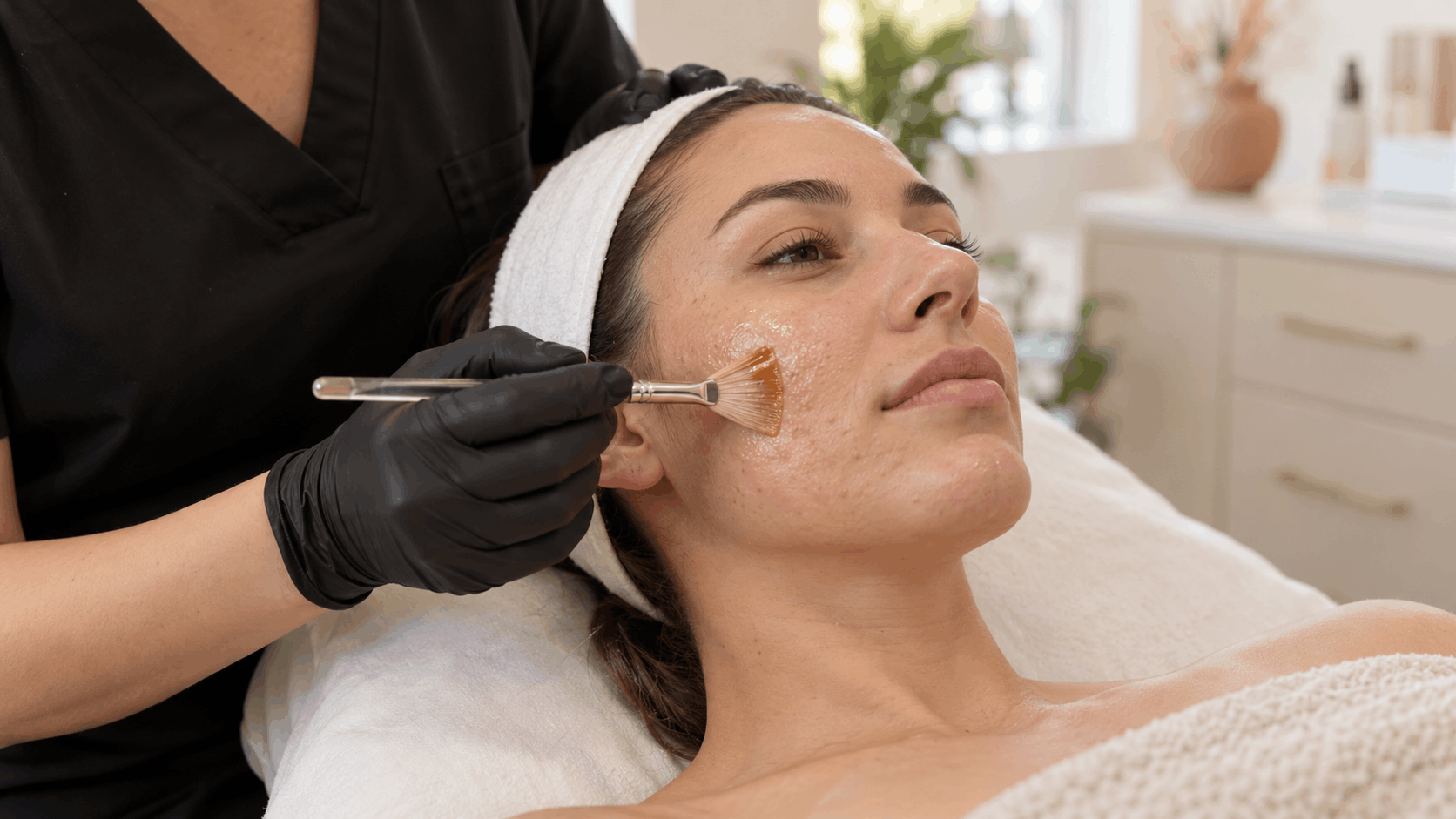
Chemical Peels (Faster Surface-Level Results)
Chemical peels use controlled exfoliation to remove damaged skin layers and reveal brighter skin underneath.
Benefits include:
- Faster fading of dark spots
- Improved skin texture
- Enhanced product absorption
Peels are particularly effective for post-acne marks and mild sun damage.
Laser and Light-Based Treatments (Advanced Results)
For deeper or stubborn pigmentation, laser treatments can target melanin directly.
These treatments:
- Break down pigment particles
- Stimulate skin renewal
- Deliver more dramatic results
If you’re looking to explore advanced aesthetic treatments
Professional guidance ensures the treatment is matched to your skin type and condition.
Customized Treatment Plans (Most Effective Approach)
The most successful outcomes come from combining multiple treatments into a personalized plan.
A customized approach may include:
- Targeted skincare products
- In-office procedures
- Lifestyle adjustments
Working with experienced providers like Genesis MedSpa allows you to address the root cause of pigmentation while choosing treatments that align with your skin goals.
The Role of Sun Protection (Non-Negotiable)
No matter which treatment you choose, sunscreen is essential.
Without daily SPF:
- Dark spots can worsen
- New pigmentation can form
- Progress can be reversed
Sun protection isn’t optional—it’s the foundation of any effective treatment plan.
Common Mistakes That Slow Down Results
Even with the right treatments, certain habits can delay progress:
- Skipping sunscreen
- Using too many active ingredients at once
- Picking at acne or skin
- Expecting immediate results
- Not following a consistent routine
Avoiding these mistakes can significantly speed up your results.
Key Takeaways
- Hyperpigmentation is caused by excess melanin triggered by sun, acne, or hormones
- The best hyperpigmentation treatment options combine topical care and professional treatments
- Consistency and patience are essential for visible results
- Sun protection is critical to prevent worsening pigmentation
- Personalized treatment plans deliver the most effective and lasting outcomes
FAQs
1. What is the fastest way to treat hyperpigmentation?
Professional treatments like chemical peels and laser therapy typically deliver faster results than topical products. They work by targeting pigment at a deeper level. However, they should be combined with proper skincare and sun protection for best results.
2. Do over-the-counter products really work for dark spots?
Yes, but they usually take longer to show results. Ingredients like vitamin C and retinoids can gradually fade pigmentation with consistent use. They are most effective for mild to moderate discoloration.
3. Can hyperpigmentation come back after treatment?
Yes, especially if you don’t protect your skin from the sun. UV exposure can trigger new pigmentation and worsen existing spots. Maintaining results requires ongoing care and daily sunscreen use.
4. Are laser treatments safe for all skin types?
Not all lasers are suitable for every skin type, especially darker skin tones. It’s important to consult with a professional to choose the right treatment. Proper guidance minimizes risks and improves results.
5. How long does it take to see results from hyperpigmentation treatments?
Results vary depending on the treatment and severity of pigmentation. Topical products may take several weeks to months, while professional treatments can show faster improvement. Consistency is key for long-term success.