If your skin feels dull, congested, uneven, or just… tired, you’re not alone. Sun exposure, aging, breakouts, and even stress can leave skin looking less radiant than it should. That’s why more people are turning to chemical peels—a proven treatment to refresh texture, boost tone, and clarify skin from the inside out.
But not all peels are created equal. If you’ve searched for “chemical peels Colorado Springs”, the key is to find a provider who customizes the treatment to your skin’s exact needs, condition, and tolerance. Here’s what to know before you book—and how medical-grade peels at trusted clinics like Genesis MedSpa deliver smoother, healthier skin without guesswork.
Jump to:
TLDR – Quick Guide
- Chemical peels use acids or enzymes to exfoliate dead skin and stimulate renewal
- The right peel improves texture, tone, pigmentation, acne, and fine lines
- Treatments range from superficial to deep, depending on your skin’s needs
- Personalized peels at Genesis MedSpa are backed by professional skin analysis and clinical skincare
- Peels are safe, effective, and highly customizable for all skin types and tones
What Are Chemical Peels?
Chemical peels are clinical exfoliation treatments that use a solution—typically a blend of acids, enzymes, or retinoids—to remove the top layers of the skin. This process reveals fresher skin beneath, while also triggering collagen production and cellular repair.
Common ingredients in chemical peels include:
- Alpha Hydroxy Acids (AHAs) – glycolic, lactic: great for brightening and smoothing
- Beta Hydroxy Acids (BHAs) – salicylic acid: ideal for acne-prone or oily skin
- TCA (Trichloroacetic Acid) – medium-depth peel for pigmentation and wrinkles
- Retinoic Acid – boosts cellular turnover and collagen
- Enzymes (papaya, pumpkin) – gentle exfoliation for sensitive skin
Peels can target:
- Uneven skin tone or hyperpigmentation
- Texture roughness and enlarged pores
- Active acne and post-acne scarring
- Fine lines and early signs of aging
- Sun damage and dullness
Why Professional Chemical Peels Are More Effective Than Over-the-Counter Products
Store-bought exfoliants and at-home peels often promise similar results—but with lower concentrations, minimal penetration, and no real customization. Medical-grade peels used in clinics like Genesis MedSpa go deeper, deliver more measurable change, and are chosen based on professional skin assessments.
With professional peels, you get:
- Stronger, more effective ingredients
- Precision application by trained providers
- Pre- and post-care guidance for safety and optimal healing
- Layered or staged treatments for deeper concerns
- Progress tracking with photos and expert analysis
This level of care ensures your skin improves over time—not just for a glow that fades in a few days.
How to Choose the Right Chemical Peel for Your Skin
Step 1: Know Your Skin Type and Goals
Different peels work best for different concerns. For example:
- Acne-prone or oily skin often responds well to salicylic acid or Jessner’s peels
- Mature or sun-damaged skin may benefit from TCA or retinoid peels
- Sensitive or reactive skin does better with enzyme peels or gentle lactic acid
- Hyperpigmented skin needs a peel that targets melanin without causing rebound
This is why customization is essential—what works for one person may aggravate another.
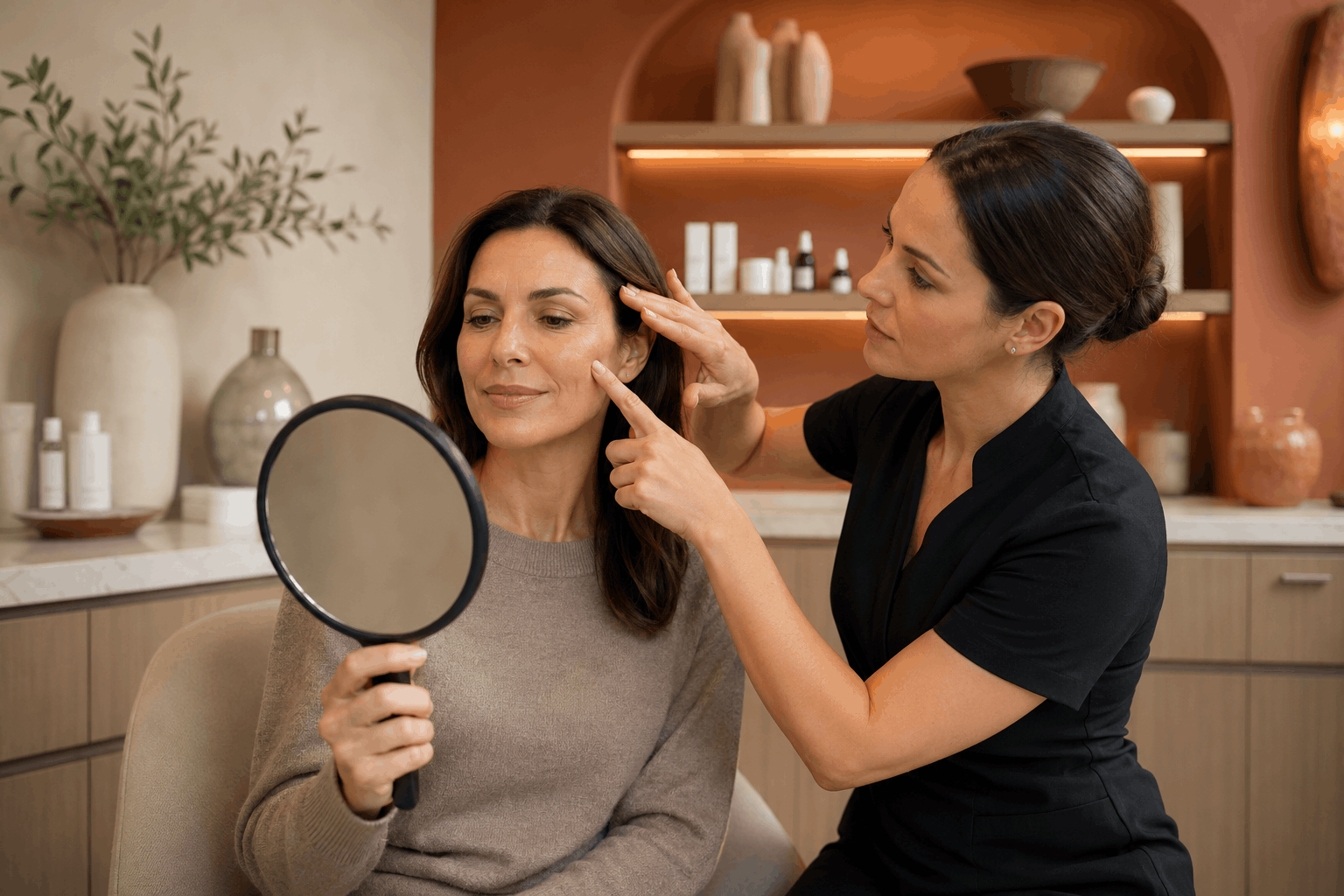
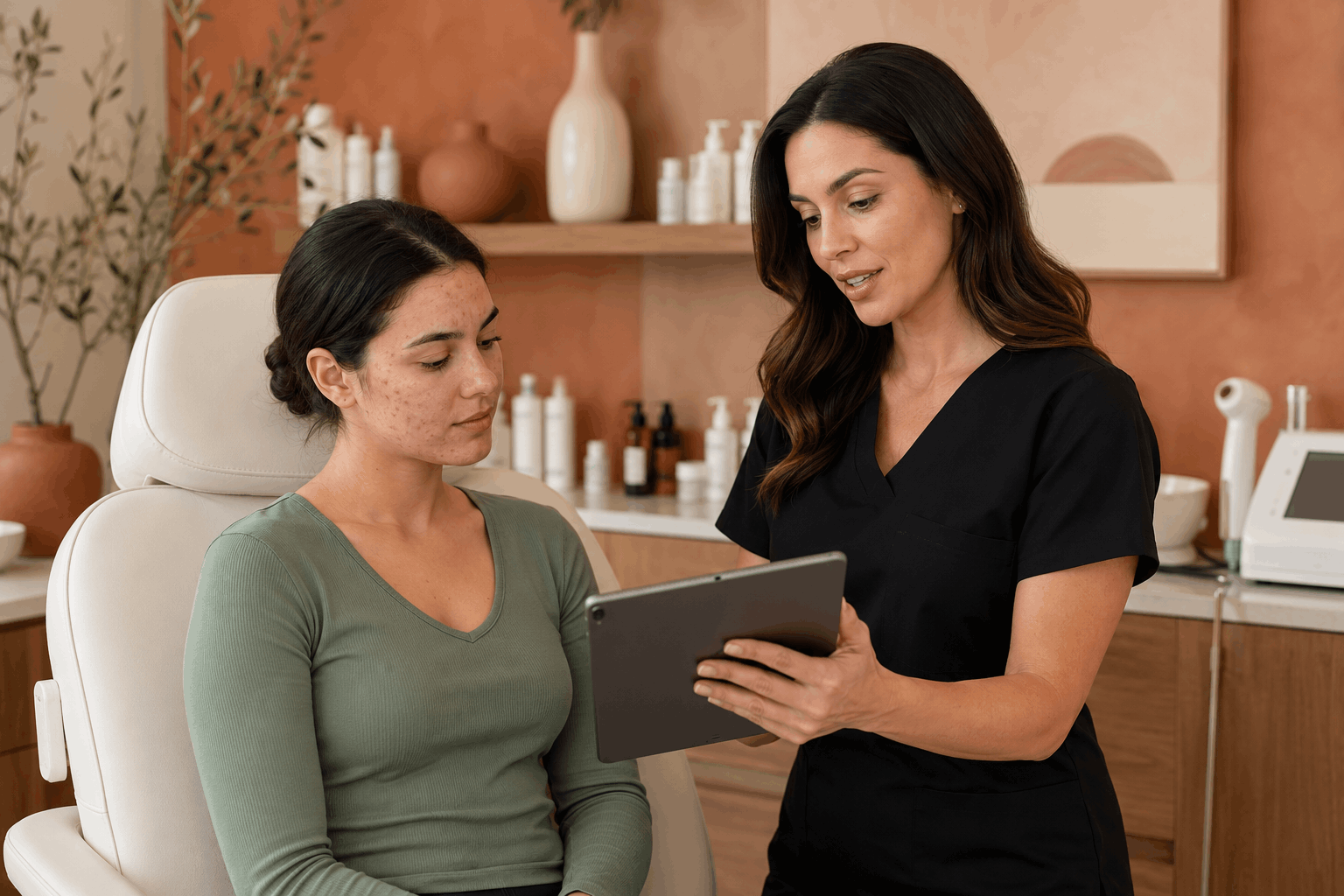
Step 2: Start with a Skin Consultation
Before undergoing any peel, a professional skin evaluation is critical. At Genesis MedSpa, your provider will assess:
- Skin type and tone (to reduce risk of post-peel pigmentation)
- Current skincare routine
- Medical history and sensitivities
- Desired outcomes and event timing
This allows them to choose the peel that offers maximum results with minimal downtime.
Step 3: Understand Depth and Downtime
Peels are categorized by how deeply they penetrate:
- Light peels (AHAs, enzymes): no downtime, ideal for maintenance and glow
- Medium-depth peels (TCA, retinoids): 3–7 days of flaking, targets pigmentation and aging
- Deep peels: require 7–10 days or more of recovery and are reserved for more advanced concerns
Your lifestyle, social schedule, and tolerance will determine which peel is right for you.
Step 4: Follow a Guided Peel Series for Best Results
One peel can improve radiance—but a series of peels provides deeper transformation. Many patients benefit from:
- 3 to 6 treatments spaced 2 to 4 weeks apart
- Periodic maintenance every few months
- A post-care regimen with SPF, hydration, and active skincare
Your provider will build a treatment plan that evolves with your skin.
What to Expect During and After a Chemical Peel
During Treatment:
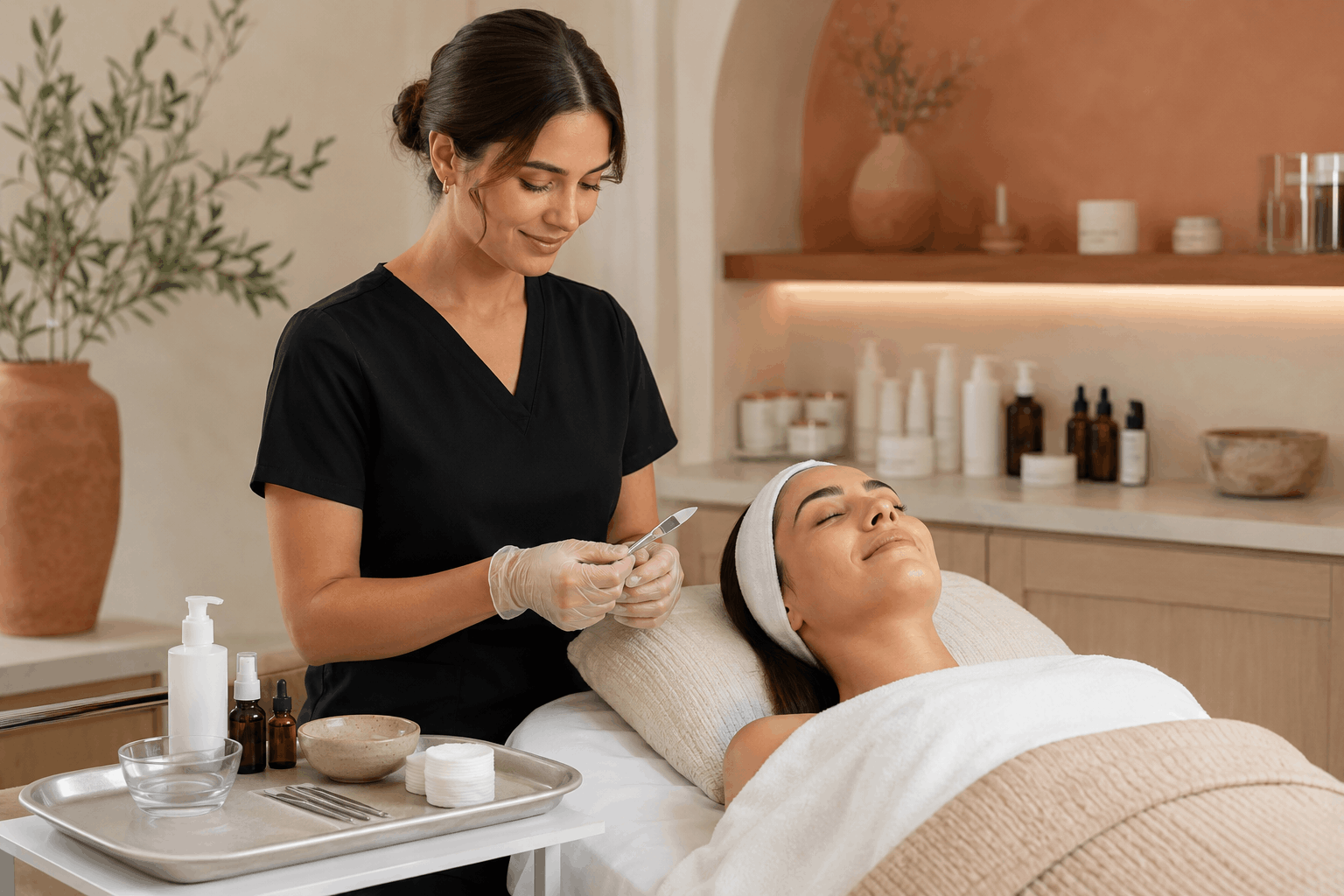
- Your skin will be cleansed and prepped with a degreasing solution
- The chosen peel will be applied in one or more layers
- You may feel tingling, warmth, or a slight stinging sensation
- The treatment takes about 30 to 45 minutes
After Treatment:
- Expect redness and flaking, especially with medium-depth peels
- Avoid sun exposure, heat, and exfoliating products during healing
- Peeling usually begins on day 2 or 3 and can last several days
- Moisturizers and SPF are critical to protect new skin
Your provider will give you a complete aftercare kit and instructions to help skin heal beautifully.
Are Chemical Peels Safe for All Skin Tones?
Yes—with the right product and provider. Historically, deeper peels posed a risk of hyperpigmentation in patients with medium to deep skin tones. But newer formulations and layering techniques now make chemical peels safe for all skin tones—as long as they’re properly chosen and monitored.
At Genesis MedSpa, every peel is selected based on your Fitzpatrick skin type and specific concerns, ensuring safe and visible results.
Key Takeaways
- Chemical peels are a safe, effective way to dramatically improve texture, tone, and clarity
- Choosing the right peel depends on your skin type, concerns, and treatment history
- Clinics like Genesis MedSpa offer customized peel plans guided by experienced professionals for real, lasting improvement
- From light enzyme peels to deeper pigmentation correctors, peels can be tailored to your skin’s exact needs
- Great skin isn’t about a one-time fix—it’s about smart, strategic care over time
FAQs
1. How often should I get a chemical peel?
It depends on your skin condition and the type of peel. Light peels may be done every 3–4 weeks, while deeper peels are spaced further apart. Your provider will guide your schedule.
2. Will I peel after every treatment?
Not always. Some light peels result in little to no visible peeling while still delivering great results. Medium and deep peels usually involve more noticeable flaking or shedding.
3. Can I wear makeup after a peel?
Most providers recommend avoiding makeup for 24 to 48 hours after a peel. Once your skin barrier begins to restore, gentle mineral makeup is typically fine.
4. Are chemical peels painful?
Most patients describe tingling or warmth—not pain. Stronger peels may cause more intense sensations, but numbing or cooling techniques are often used for comfort.
5. Is there a best time of year to get a peel?
Fall and winter are great because you’re less likely to be exposed to sun. However, with proper post-care and sunscreen, peels can be safely done year-round.