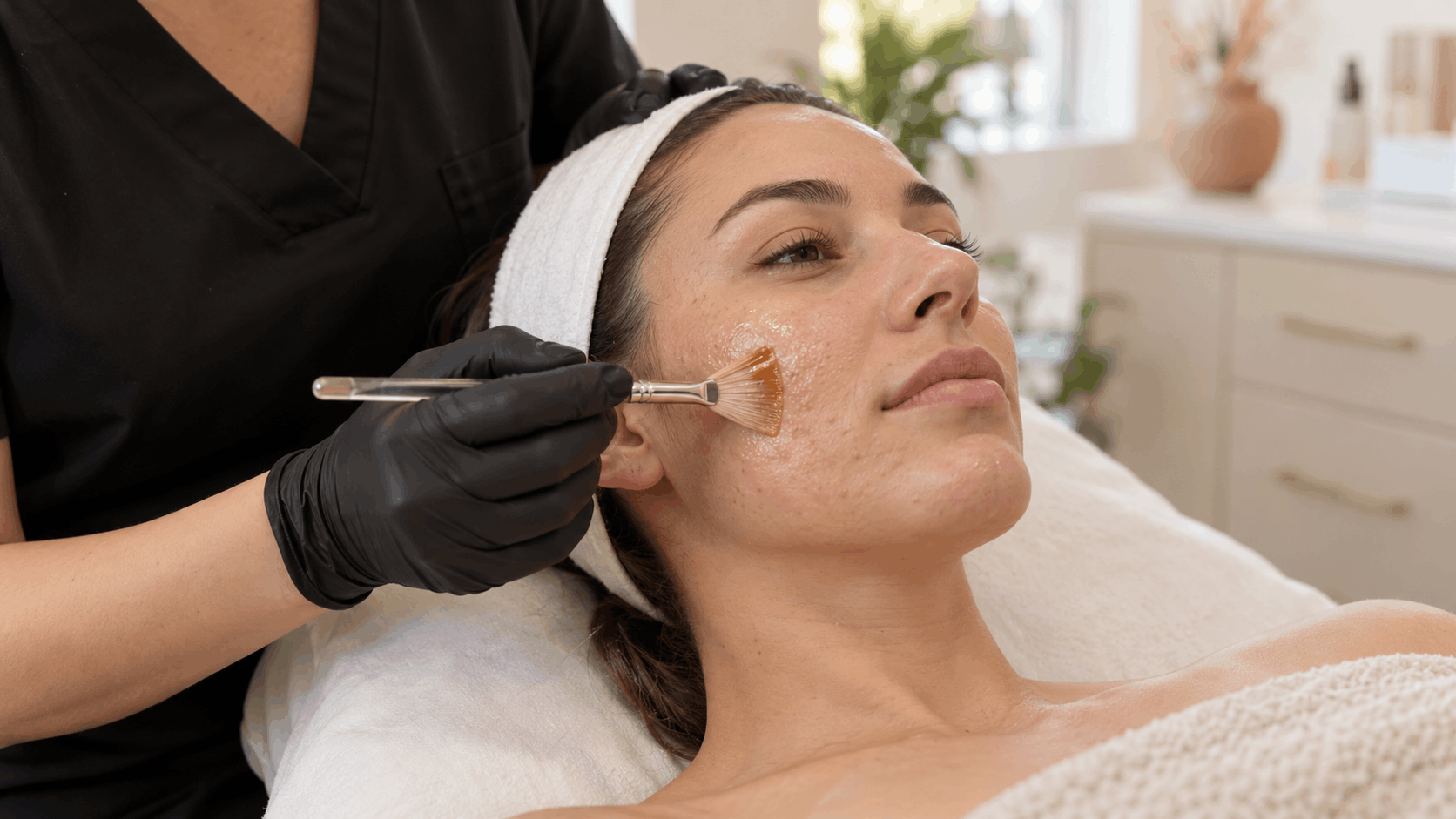
Skin tags are small, benign growths that can pop up anywhere — underarms, eyelids, neck folds — and while harmless, they can be incredibly annoying. That’s where skin tag freezing comes in: a fast, relatively painless way to send those little nuisances packing. But before you book that appointment or try an over-the-counter product, it’s smart to understand how it works, what it feels like, and whether it’s safe for your skin type.
Jump to:
TLDR – Quick Guide
- What it is: Skin tag freezing is a method of removal using extreme cold, often with liquid nitrogen or cryotherapy sprays.
- Who it’s for: Best for healthy adults with non-irritated, small to medium-sized skin tags.
- Does it hurt? Mild sting or cold sensation for a few seconds.
- How long it takes: Less than 5 minutes per tag. Tags usually fall off within 10–14 days.
- In-office or DIY? Both options exist, but professional treatment is safer and more effective.
Detailed Breakdown
What Is Skin Tag Freezing?
Skin tag freezing — also called cryotherapy — uses liquid nitrogen or similar agents to freeze the tag at its base. The extreme cold cuts off blood supply, causing the tag to die and fall off naturally. This method is precise and minimizes damage to the surrounding skin.
How Does Skin Tag Freezing Work?
Whether done in a clinic or at home, the freezing process involves applying a freezing agent directly to the tag. The temperature rapidly drops, crystalizing the tissue and triggering natural rejection. The treated tag typically darkens, shrivels, and falls off in about one to two weeks.
Is Skin Tag Freezing Safe?
Yes — when performed correctly. It’s a widely used dermatological technique and carries minimal risks when applied by trained professionals. However, DIY freezing kits can cause burns or scarring if misused.
In-Office vs. At-Home Treatments
Professional cryotherapy, like what you’d receive at a clinic such as Genesis MedSpa, uses medical-grade nitrogen and precise tools. These treatments tend to be faster, more effective, and involve less risk of scarring or infection. Over-the-counter kits are cheaper and convenient, but come with increased risk and lower success rates — especially for larger or awkwardly placed tags.
Aftercare & What to Expect
Post-freezing, the tag may swell or blister slightly, which is normal. Avoid picking at the site or applying creams unless instructed. Clean the area gently, and expect full healing in about two weeks.
Key Takeaways
- Skin tag freezing is a fast and effective way to remove unwanted skin tags with minimal downtime.
- It’s safe for most adults but should be performed by a professional for best results.
- DIY kits are available but carry more risks, especially on sensitive skin areas.
- Expect tags to fall off within two weeks, with little to no scarring if aftercare is followed.
- Clinics like Genesis MedSpa offer safe, in-office treatments using medical-grade cryotherapy tools for maximum precision and comfort.
FAQs
1. Does skin tag freezing hurt?
Most people feel a brief sting or intense cold sensation during the procedure. It usually lasts just a few seconds and fades quickly. Over-the-counter versions may be slightly more uncomfortable due to less control.
2. How long does it take for the skin tag to fall off?
Typically, the tag falls off within 7 to 14 days after freezing. It will darken and dry out before detaching naturally. Avoid forcefully removing it to prevent scarring.
3. Can I freeze skin tags at home?
Yes, OTC skin tag freezing kits are available. However, they aren’t always effective and can cause burns if misused. Consulting a professional is best, especially for facial or sensitive-area tags.
4. Will the skin tag come back after freezing?
Once a tag is frozen and removed, it usually doesn’t grow back. However, you might develop new tags in the same area if you’re genetically prone. Lifestyle and skin friction can also contribute to recurrence.
5. Is skin tag freezing covered by insurance?
Generally, no. Since skin tag removal is considered cosmetic, most insurance plans won’t cover it. However, if it’s causing irritation or other issues, you might want to check with your provider.