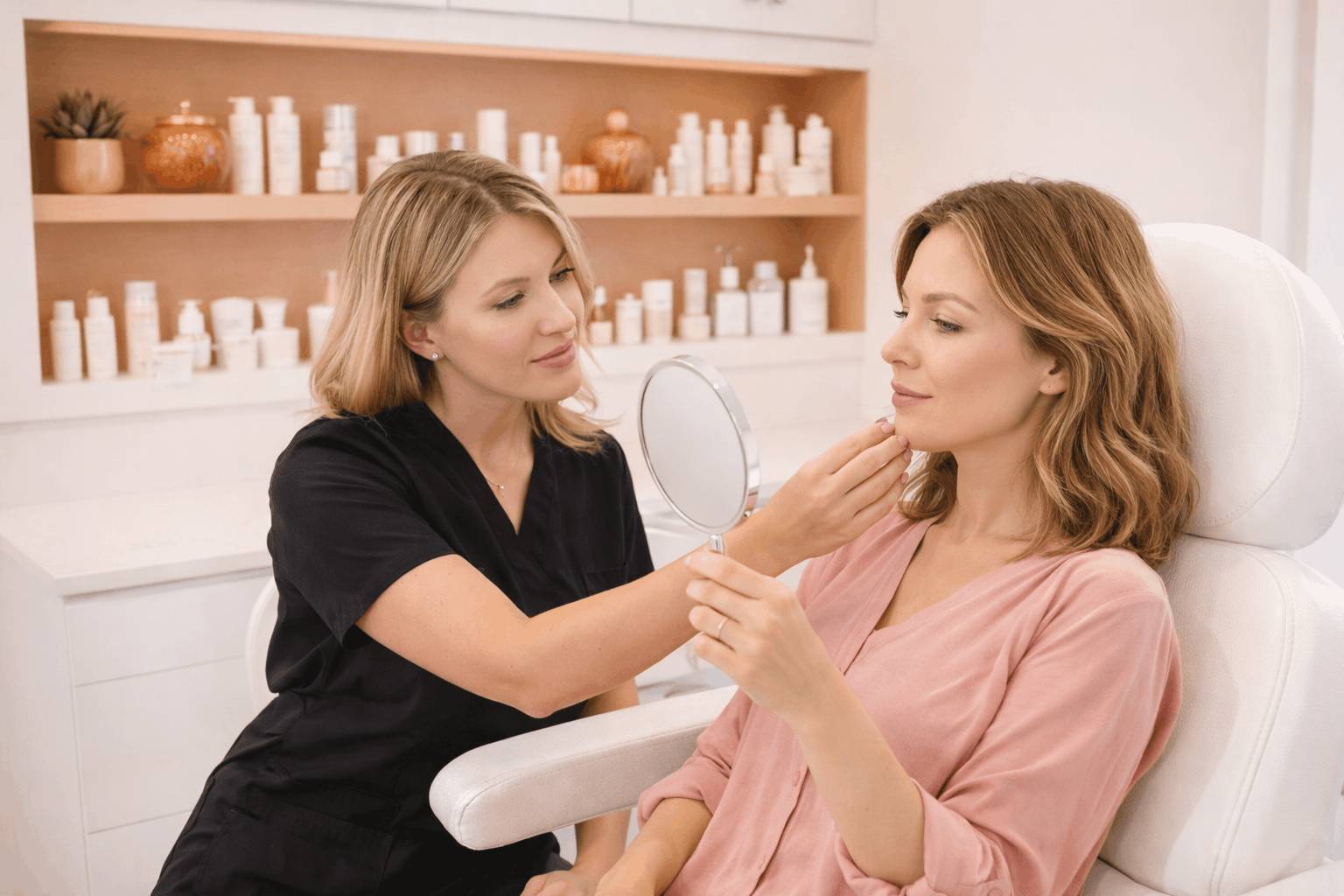
Choosing aesthetic treatments isn’t just about addressing a single concern. Skin health, aging patterns, and body goals are influenced by how people live day to day. That’s why the most effective results come from medical spa services based on skin concerns and lifestyle, not generic treatment menus.
A thoughtful approach considers what’s happening beneath the skin and how treatments fit into real life. When care is personalized around both concerns and lifestyle, results tend to look more natural, last longer, and feel easier to maintain.
Jump to:
- Detailed Breakdown
- Why Skin Concerns Alone Don’t Tell the Whole Story
- Lifestyle Plays a Major Role in Treatment Selection
- Matching Treatments to Skin Needs and Daily Routines
- Why Personalization Improves Long-Term Results
- Preventative Care Depends on Lifestyle Awareness
- Why One-Size-Fits-All Treatment Plans Fall Short
- Understanding Available Options Helps Guide Decisions
- Key Takeaways
- FAQs
TLDR – Quick Guide
Medical spa services based on skin concerns and lifestyle work best when:
- Skin type and concerns are evaluated together
- Daily routines and commitments are considered
- Downtime expectations are realistic
- Treatments are sequenced strategically
- Long-term maintenance is planned, not guessed
Detailed Breakdown
Why Skin Concerns Alone Don’t Tell the Whole Story
Many people focus on a visible issue—fine lines, uneven tone, breakouts—without considering the factors that influence how skin responds to treatment.
Skin concerns are shaped by:
- Genetics and natural aging
- Sun exposure and environment
- Hormonal changes
- Skincare habits and product use
Medical spa services based on skin concerns and lifestyle look beyond the symptom to understand the pattern, allowing treatment plans to address root causes rather than quick fixes.
Lifestyle Plays a Major Role in Treatment Selection
Lifestyle often determines which treatments are realistic and sustainable. A plan that looks good on paper but doesn’t fit daily life usually leads to frustration or inconsistent results.
Lifestyle considerations include:
- Work schedules and time constraints
- Willingness or ability to accommodate downtime
- Activity level and exercise routines
- Travel frequency and social commitments
When these factors are ignored, even effective treatments can feel impractical. When they’re considered, care becomes easier to maintain.
Matching Treatments to Skin Needs and Daily Routines
Medical spa services based on skin concerns and lifestyle are selected to align effectiveness with feasibility. This balance supports better outcomes over time.
For example:
- Busy schedules may favor treatments with minimal downtime
- Active lifestyles may influence timing and product choices
- Sensitive skin may require gradual or layered approaches
- Long-term goals may guide treatment sequencing
This approach prevents over-treatment while ensuring progress remains consistent.
Why Personalization Improves Long-Term Results
Personalized care allows providers to adjust treatments as skin and circumstances change. Skin isn’t static, and neither is lifestyle.
Personalization supports:
- Adjusting intensity based on response
- Timing treatments around life events
- Preventing unnecessary procedures
- Maintaining results with fewer interventions
At Genesis MedSpa in Colorado Springs, treatment planning emphasizes both skin health and practical sustainability, helping patients stay confident in their care decisions.
Preventative Care Depends on Lifestyle Awareness
Preventative treatments are most effective when they’re realistic to maintain. Lifestyle-aware planning helps patients avoid cycles of neglect followed by aggressive correction.
Preventative strategies may include:
- Regular maintenance treatments
- Early intervention for emerging concerns
- Skincare routines that fit daily habits
- Treatment spacing that aligns with schedules
Medical spa services based on skin concerns and lifestyle make prevention manageable instead of overwhelming.
Why One-Size-Fits-All Treatment Plans Fall Short
Generic treatment plans often overlook how differently skin responds under varying conditions. Two people with similar concerns may need completely different approaches.
Factors that change treatment selection include:
- Healing speed
- Skin sensitivity
- Environmental exposure
- Consistency with follow-up care
This is why individualized planning consistently outperforms standardized recommendations.
Understanding Available Options Helps Guide Decisions
Knowing what services exist allows patients to understand how different treatments can be combined or spaced effectively.Reviewing medical spa services for skin, aging, and lifestyle-driven concerns helps patients see how options can be tailored rather than applied universally.
Key Takeaways
- Medical spa services based on skin concerns and lifestyle lead to more sustainable results
- Lifestyle influences treatment timing, intensity, and maintenance
- Personalized planning reduces frustration and over-treatment
- Preventative care works best when it fits daily routines
- Flexibility and long-term thinking improve outcomes
FAQs
1. Why is lifestyle important when selecting medical spa services?
Lifestyle affects downtime tolerance, consistency, and healing. Treatments that fit daily routines are easier to maintain. This leads to better long-term results.
2. Can two people with the same skin concern need different treatments?
Yes. Skin type, sensitivity, and lifestyle vary. Medical spa services based on skin concerns and lifestyle allow for personalized care.
3. How does personalization prevent over-treatment?
Personalization prioritizes what’s necessary and realistic. It avoids unnecessary procedures. Treatments are selected with intention.
4. Are lifestyle-based treatment plans more effective long term?
They often are. Sustainable plans lead to consistent care. Consistency supports better outcomes over time.
5. How do I know which treatments fit my lifestyle?
A professional consultation helps assess both skin and daily routines. Providers guide decisions based on feasibility and goals. This clarity improves confidence.