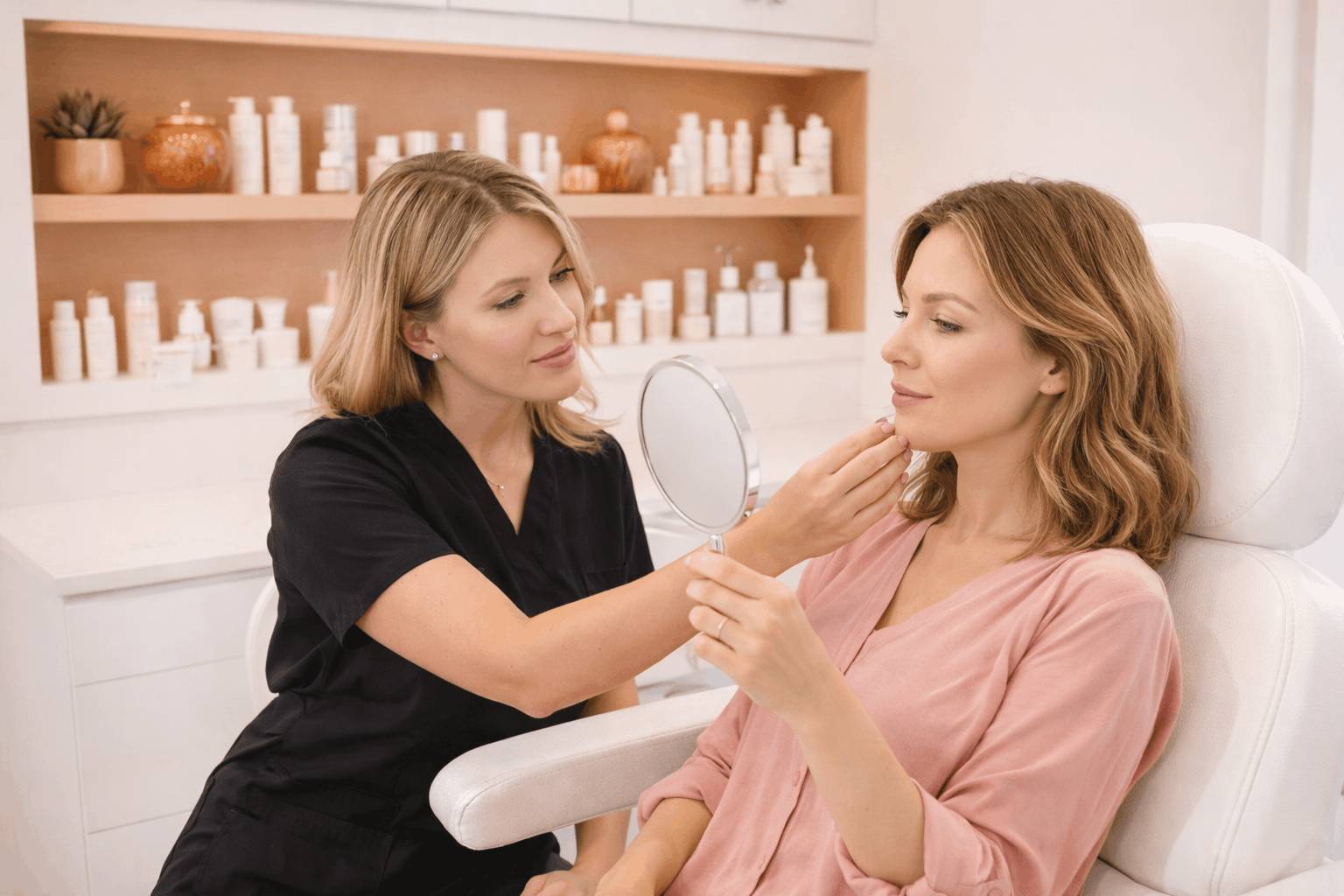
Injectables, lasers, skin tightening, and chemical peels are more popular than ever—but they’re not just beauty treatments anymore. These are medical spa procedures that involve the skin’s deeper layers, your body’s healing systems, and, in some cases, your hormonal health.
As these treatments grow in popularity, so does the number of providers offering them—with wildly different levels of training, equipment, and oversight. That’s why professional, medical supervision is non-negotiable if you care about safety, results, and long-term skin integrity.
Here’s what real medical oversight looks like—and why it should be a deciding factor when choosing a med spa.
Jump to:
TLDR – Quick Guide
- Medical spa procedures include injections, lasers, microneedling, and other skin or body treatments with clinical impact
- These treatments should be performed or supervised by licensed professionals trained in anatomy, product science, and complication management
- Oversight protects patients from unnecessary risks, poor results, and irreversible damage
- Legitimate med spas like Genesis MedSpa combine aesthetics with medical-grade care for safe, transformative outcomes
- Don’t gamble on your face or body—choose providers who take your health seriously
What Counts as a “Medical Spa Procedure”?
Many people associate the word “spa” with facials, massages, and relaxing music. But medical spa procedures go far beyond pampering.
They include:
- Injectables: Botox, Dysport, dermal fillers
- Lasers: Pico laser, IPL, Laser Genesis, CO2 resurfacing
- Microneedling (with or without radiofrequency)
- Body contouring: fat reduction, muscle stimulation
- Chemical peels: medium to deep depth with actives like TCA
- Hormonal support: B12 injections, Lipotrim, or bioidentical therapies
These treatments affect deeper structures, stimulate internal responses, and carry risks if performed incorrectly—especially without proper training or supervision.
Why Medical Oversight Matters
1. Precision Requires Clinical Knowledge
Your skin is more than a surface—it’s a living organ. Muscles, nerves, blood vessels, and cellular responses are at play in every medical spa procedure.
Licensed professionals (MDs, RNs, NPs, PAs) are trained to:
- Understand anatomy and how it changes with age
- Place injectables accurately to avoid nerve or vessel damage
- Adjust lasers or devices based on skin type, pigment, and response
- Prevent or manage complications like vascular occlusion or post-inflammatory hyperpigmentation
This training is essential. A weekend course doesn’t compare to years of medical or aesthetic clinical education.
2. Customized Treatment Plans
Medical spas with real oversight don’t just offer menus—they offer individualized care.
When treatments are supervised by a medical provider:
- Your health history, medications, and skin sensitivities are reviewed
- Treatments are sequenced for safety and best outcomes
- You’ll get guidance on pre- and post-care based on science, not guesswork
- Adjustments are made based on how your skin or body responds
This ensures results are safer, more predictable, and more natural-looking.
3. Realistic Expectations and Ethical Practices
Unqualified providers may promise the world to make a sale—but professionals manage expectations based on what’s medically and aesthetically possible.
With proper oversight, you’re less likely to:
- Be oversold on filler or Botox you don’t need
- Receive treatments that don’t match your goals or skin condition
- Experience unnecessary downtime or complications
- Be pushed into a package without understanding the purpose
At Genesis MedSpa, consults are educational, not sales-driven. Providers collaborate with patients to choose the right procedures for their unique features and goals.
4. Management of Adverse Events
Even in the best hands, complications can happen. The difference is whether your provider knows how to handle them.
Medical oversight means:
- The clinic has protocols for bruising, swelling, vascular occlusion, or allergic reaction
- Prescription medication or dissolving agents (like hyaluronidase) can be administered safely
- You’re followed up appropriately—not ghosted after treatment
This is why choosing a facility with trained professionals isn’t just about vanity—it’s about safety.
Red Flags to Watch For
Not sure if your chosen provider meets the bar for medical oversight? Here are signs to look out for:
No consultation before treatment
No licensed professional on staff or available
No review of medical history or skin type
Pushy sales tactics without explanation of risks
Vague answers about credentials or product sourcing
If something feels off—it probably is.
What Professional Oversight Looks Like at Genesis MedSpa
At Genesis MedSpa, every patient receives:
- A full consultation with skin and health assessment
- Access to licensed, highly trained professionals
- Honest guidance on what treatments are worth your investment
- Medical-grade products, FDA-approved devices, and precise technique
- Support before, during, and after treatment
This clinic has earned its reputation as a trusted provider of safe, effective medical spa procedures in Colorado Springs—and continues to deliver results patients love.
Key Takeaways
- Medical spa procedures are not casual treatments—they’re medical-grade services requiring professional oversight
- Licensed providers bring clinical expertise, safety protocols, and ethical care
- Custom treatment plans lead to safer, better, and longer-lasting results
- Clinics like Genesis MedSpa combine aesthetics and medical knowledge to deliver trusted outcomes
- Always choose care based on credentials, not convenience
FAQs
1. What qualifies a provider to perform medical spa procedures?
Injectables, lasers, and other advanced treatments should be performed or supervised by a licensed medical professional like an RN, PA, NP, or MD. Always ask about your provider’s credentials.
2. Are medical spa procedures safe?
Yes—when done by trained professionals in a clinical setting with proper tools and protocols. Risks are minimized through medical screening and professional technique.
3. What’s the difference between a cosmetic spa and a medical spa?
Medical spas offer treatments that affect deeper tissues and require medical knowledge (like Botox or laser). Cosmetic spas offer surface-level services like facials or waxing.
4. Can I get multiple procedures at once?
It depends on the procedures and your skin’s condition. Medical oversight ensures your treatments are safely spaced and combined for best results.
5. How do I know if my med spa is reputable?
Check for medical licensure, patient reviews, clear safety protocols, and consultations that prioritize your health—not just your wallet.