If you’ve been dealing with stubborn acne that seems to appear at the same time each month, there’s a good chance you’re experiencing hormonal breakouts. Unlike occasional pimples caused by clogged pores or bacteria, hormonal acne is triggered by fluctuations in hormone levels that affect oil production and skin inflammation.
Many people try to manage these breakouts with over-the-counter cleansers, serums, and spot treatments. However, hormonal breakouts often persist even when a consistent skincare routine is in place. When standard skincare products stop working, it usually means the root cause of the acne goes deeper than the surface of the skin.
Understanding how hormonal acne works is the first step toward finding effective treatment options. In this guide, we’ll explore what causes hormonal breakouts, why skincare sometimes isn’t enough, and what treatments can help restore clearer skin.
Jump to:
TLDR – Quick Guide
- Hormonal breakouts are caused by fluctuations in hormones that increase oil production in the skin.
- They commonly appear around the jawline, chin, and lower cheeks.
- Standard skincare products may not fully treat hormonal acne.
- Professional treatments and lifestyle adjustments can help control breakouts.
- A personalized skincare plan often provides the best long-term results.
What Are Hormonal Breakouts?
Hormonal breakouts occur when hormonal changes increase the activity of the skin’s oil glands. This extra oil can clog pores and create an environment where acne-causing bacteria thrive.
These breakouts commonly appear in areas where the skin has more oil glands, including:
- Jawline
- Chin
- Lower cheeks
- Neck
Hormonal acne often develops as deep, painful cysts or nodules beneath the skin, making it more difficult to treat with typical skincare products.
Hormonal fluctuations that trigger acne can occur during:
- Menstrual cycles
- Pregnancy
- Perimenopause or menopause
- High stress levels
- Hormonal imbalances
Why Skincare Products Sometimes Stop Working
One of the most frustrating aspects of hormonal breakouts is that traditional skincare routines may suddenly become less effective.
This happens because many skincare products are designed to treat surface-level acne, not the internal hormonal triggers responsible for breakouts.
Common reasons skincare stops working include:
Hormone-driven oil production
Hormones such as androgens stimulate the skin’s oil glands, leading to increased sebum production that clogs pores.
Inflammation below the skin’s surface
Hormonal acne often forms deep beneath the skin, where topical products may not penetrate effectively.
Skin barrier disruption
Overusing strong acne treatments can weaken the skin barrier, causing irritation and worsening breakouts.
When these factors combine, treating hormonal acne may require more advanced or targeted treatment approaches.
Signs Your Acne May Be Hormonal
Recognizing the signs of hormonal breakouts can help determine the best treatment strategy.
Common indicators include:
- Breakouts that appear around the same time each month
- Acne concentrated on the jawline or chin
- Deep cystic pimples that are painful or inflamed
- Acne that persists into adulthood
- Breakouts that do not respond to typical skincare products
If these patterns sound familiar, your acne may be linked to hormonal changes rather than surface-level skin concerns.
Professional Treatments That Can Help Hormonal Breakouts
When topical skincare isn’t enough, professional treatments can help address hormonal breakouts more effectively.
Medical spas often offer treatments designed to reduce acne, improve skin clarity, and prevent future breakouts.
Examples of treatments that may help include:
- Chemical peels
- Acne-focused facials
- Microneedling
- Laser or light therapies
Individuals interested in professional skincare solutions can learn about acne-focused treatments available through Genesis MedSpa’s aesthetic services
These treatments can help remove damaged skin cells, reduce inflammation, and improve overall skin health.
Lifestyle Changes That Help Reduce Hormonal Breakouts
Although skincare treatments are important, lifestyle habits also play a role in managing hormonal breakouts.
Certain adjustments may help reduce acne triggers.
Manage stress
High stress levels increase cortisol, which can worsen acne.
Improve sleep habits
Poor sleep can affect hormone balance and skin health.
Maintain a balanced diet
Some individuals notice fewer breakouts when limiting high-sugar or highly processed foods.
Stay consistent with skincare
A simple routine with gentle products can help maintain a healthy skin barrier.
These lifestyle factors may not eliminate hormonal acne entirely, but they can support healthier skin.
Creating a Long-Term Treatment Plan
Because hormonal breakouts are influenced by internal factors, long-term skin improvement often requires a combination of approaches.
A personalized plan may include:
- Targeted skincare products
- Professional treatments
- Lifestyle adjustments
- Regular skin evaluations
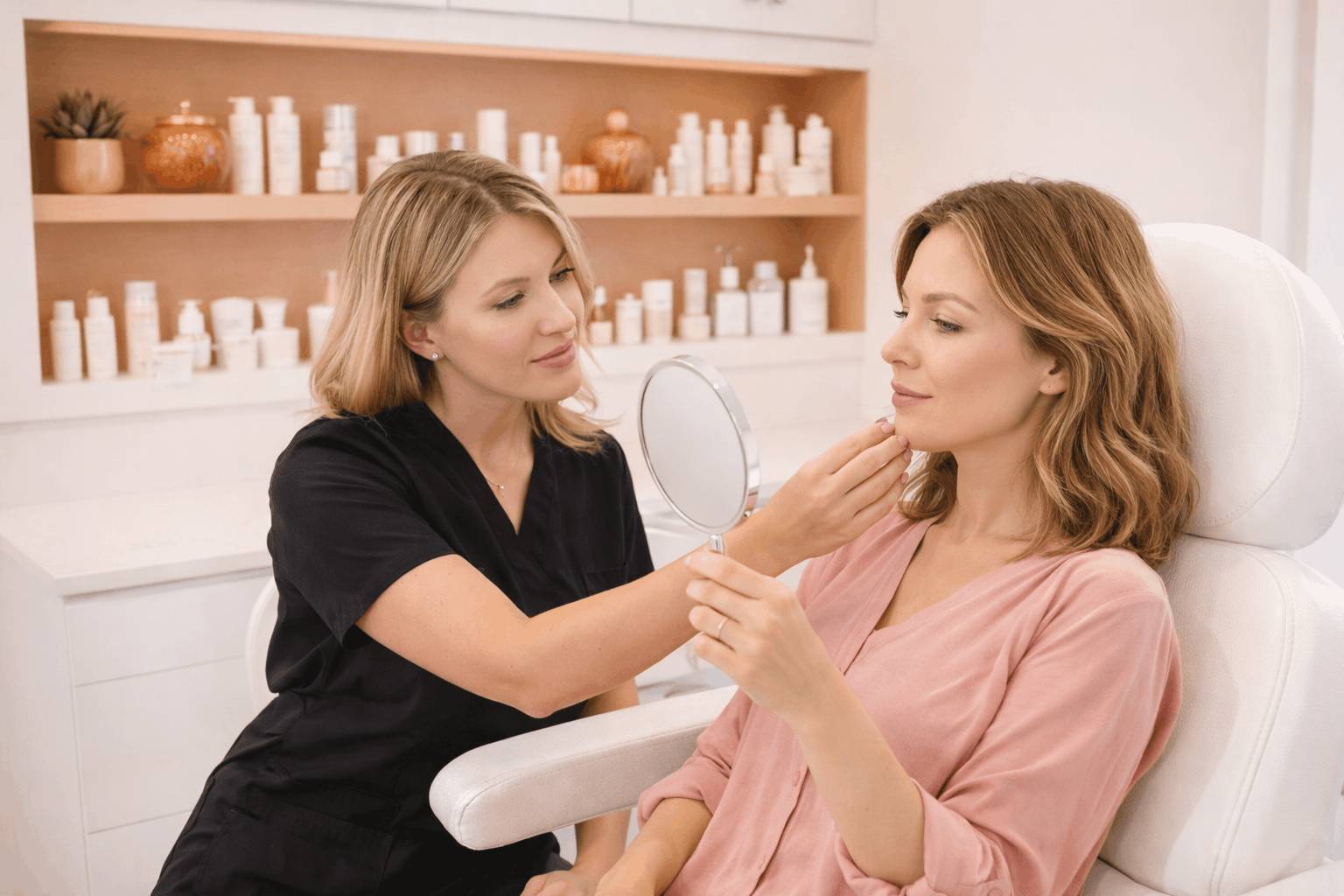
Many people find that consulting with experienced skincare professionals helps identify the most effective strategies for their specific skin concerns.
Individuals researching professional skin treatments often begin by learning about providers like Genesis MedSpa
A consultation can help determine which treatments may help reduce breakouts and improve skin clarity.
Key Takeaways
Hormonal breakouts can be frustrating because they often persist even when you follow a consistent skincare routine.
However, understanding the cause of hormonal acne can help guide more effective treatment strategies.
Key points to remember:
- Hormonal acne is triggered by fluctuations in hormone levels.
- Breakouts commonly appear on the chin, jawline, and lower face.
- Traditional skincare products may not fully treat hormonal acne.
- Professional treatments and lifestyle changes can help manage breakouts.
- A personalized skincare plan often delivers the best results.
With the right combination of treatments and skincare habits, it’s possible to significantly improve hormonal acne and achieve healthier skin.
FAQs
1. What causes hormonal breakouts?
Hormonal breakouts occur when changes in hormone levels increase oil production in the skin. This excess oil can clog pores and lead to acne. Hormonal fluctuations during menstrual cycles, pregnancy, or stress often trigger these breakouts.
2. Why don’t skincare products work for hormonal acne?
Many skincare products treat surface-level acne but do not address the hormonal triggers behind breakouts. Hormonal acne often develops deep beneath the skin. Because of this, additional treatments may be needed to manage it effectively.
3. Where do hormonal breakouts usually appear?
Hormonal acne typically appears on the lower part of the face. Common areas include the chin, jawline, and lower cheeks. Some people may also experience breakouts on the neck.
4. Can hormonal acne go away on its own?
Hormonal acne may improve as hormone levels stabilize. However, some people experience persistent breakouts for years without treatment. Professional skincare treatments and lifestyle changes can help manage the condition.
5. When should you see a skincare professional for hormonal acne?
If breakouts persist despite consistent skincare routines, it may be helpful to consult a professional. Severe or painful acne can also benefit from professional evaluation. Early treatment can help prevent scarring and long-term skin damage.